
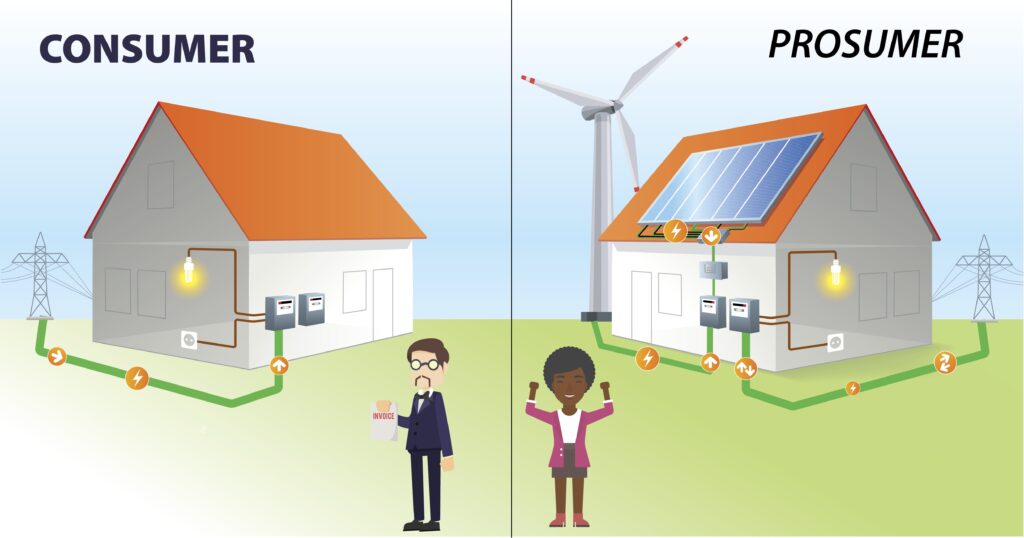
As we navigate the complex world of consumerism, it’s essential to understand the evolving role of the consumer. The term “prosumer” has gained popularity in recent years, but what does it truly mean? In this article, we’ll delve into the definition, examples, and implications of being a prosumer.
What is a Prosumer?
A prosumer is a customer who is more than just a passive consumer. They are active participants in the creation, production, distribution, and consumption of goods and services. This mindset sets them apart from traditional consumers, who often rely on marketing and advertising to make purchasing decisions.
In essence, a prosumer is someone who wants to be informed, educated, and involved in the process of creating value. They are not just buyers but also producers, thinkers, and decision-makers.
Prosumer: Definition
To understand what a prosumer is, let’s break down the concept:
- Professional: This term refers to expertise and competence.
- Producer: This word highlights the idea of creation and production.
- Consumer: The traditional role of someone who buys goods or services.
The combination of these words gives us “prosumer,” a term that represents someone who is both informed and involved in the process of consumption.
Prosumer: Examples
Let’s examine some real-world examples of prosumers:
- Amazon.com: This e-commerce giant has successfully shifted its focus from a passive consumer to an active prosumer. Amazon encourages customers to engage with their products, providing detailed information and interactive tools.
- Group Buying (GAS): These groups allow members to pool their resources and make informed purchasing decisions. They often take an active role in the buying process, seeking out deals and discounts.
On the other hand, someone who is a non-prosumer might be:
- Someone who struggles with impulse purchases or overspending.
- Individuals who rely heavily on marketing and advertising for purchasing decisions.
The Rise of Prosumers
The concept of prosumers has been around for decades. The idea was first introduced in the 1970s by Marshall McLuhan and Barrington Nevitt, who predicted that technology would enable consumers to become producers.
In the 1980s, Alvin Toffler coined the term “prosumer,” further emphasizing the shift from passive consumption to active participation.
The rise of prosumers is closely tied to the saturation of traditional markets. As consumers became increasingly aware of their options, companies began to focus on personalization and customization.
This led to a greater emphasis on interactive relationships between consumers and businesses. Prosumers are no longer just passive buyers; they are engaged, informed, and involved in the creation of value.
Prosumer: Marketing
In marketing, the term prosumer has become increasingly popular. Companies often use this concept to describe their customers who are more than just passive consumers.
However, it’s essential to note that not all companies genuinely engage with their customers as prosumers. Some might simply use this term as a buzzword to create a perceived connection with their audience.
To be considered a true prosumer, companies must demonstrate an ability to interact and collaborate with their customers on a deeper level.
The Future of Prosumers
As we move forward, the role of prosumers will continue to evolve. With advancements in technology and the rise of the digital economy, consumers will become even more empowered to create value and participate in production.
Companies that adapt to this shift will thrive, while those who fail to engage with their customers as prosumers will struggle to survive.
Conclusion
The concept of prosumers represents a significant shift in consumerism. By embracing this mindset, businesses can build stronger relationships with their customers and create value that resonates beyond just transactions.
As we navigate the complexities of modern consumer culture, it’s essential to understand the role of prosumers and how they will shape the future of business and society.
Frequently Asked Questions (FAQs)
- What is a prosumer?
A prosumer is a customer who is active in the creation, production, distribution, and consumption of goods and services. - Who are typical prosumers?
Prosumers can be anyone who wants to be informed, educated, and involved in the process of creating value. - How do companies engage with their customers as prosumers?
Companies that genuinely engage with their customers as prosumers demonstrate an ability to interact and collaborate on a deeper level. - What is the future of prosumers?
As technology advances, consumers will become even more empowered to create value and participate in production. - How can businesses thrive by engaging with their customers as prosumers?
Businesses that adapt to this shift will build stronger relationships with their customers and create value beyond transactions. - What are the implications of a prosumer mindset for society?
A prosumer mindset can lead to increased innovation, creativity, and social responsibility.
Additional Tips for Businesses
- Engage with your customers: Build relationships with your customers through active listening, feedback, and collaboration.
- Create value beyond transactions: Focus on providing value that resonates beyond just financial transactions.
- Adapt to technological advancements: Keep up with the latest technology and innovation to stay ahead of the competition.
- Encourage participation: Encourage customers to participate in the creation, production, and distribution of goods and services.
By embracing these tips, businesses can thrive by engaging with their customers as prosumers.


