
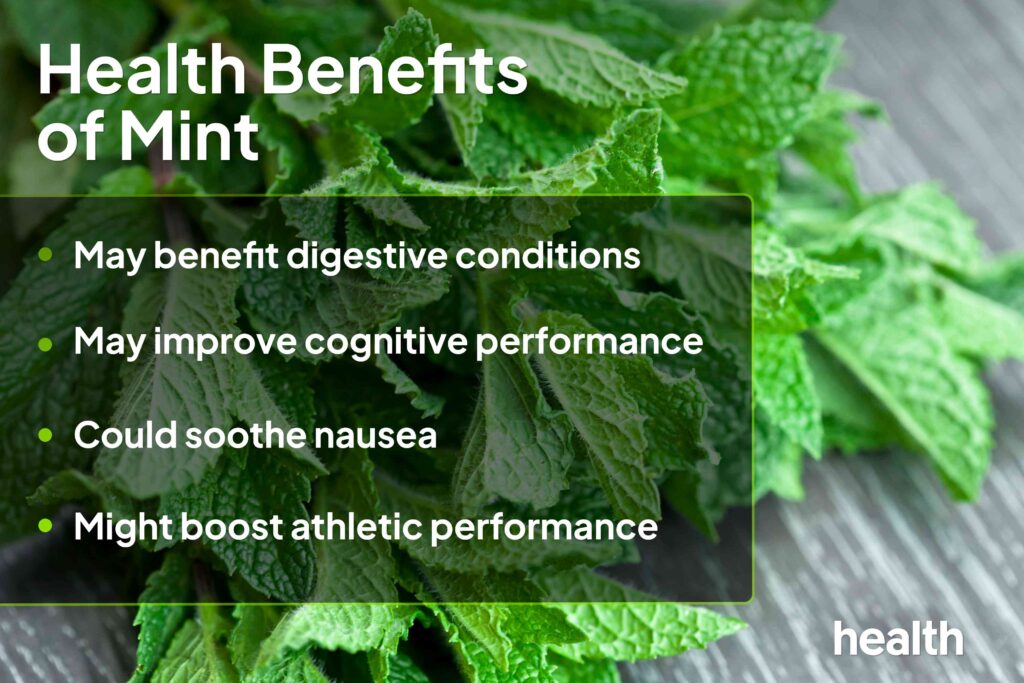
Peppermint, a herb widely used for its culinary, medicinal, and refreshing properties, has been a staple in many cultures for centuries. From traditional teas to modern cooking recipes, the versatility of peppermint is undeniable. However, like any other plant, it’s essential to understand its benefits and risks before incorporating it into your daily life.
What Are the Nutritional Properties of Peppermint?
Peppermint contains water, fiber, proteins, carbohydrates, minerals such as calcium, potassium, magnesium, zinc, manganese, sodium, and phosphorus. It also boasts a high percentage of amino acids, including arginine, aspartic acid, glutamic acid, alanine, leucine, glycine, proline, serine, and valine. Additionally, peppermint is rich in vitamins A, B, C, and D.
Using Peppermint Leaves and Flowers
Peppermint leaves are typically harvested in June, while the flowers are available in late July. These plants can be grown at home with minimal care, making them an excellent addition to any garden. Before exploring peppermint’s uses, let’s examine its applications and uses.
Tea Made from Peppermint Leaves: A Natural Digestive Aid
Peppermint tea is renowned for its digestive benefits, thanks to its ability to ease nausea, reduce bloating, and alleviate heartburn. Drinking peppermint tea before meals can also help stimulate digestion and prevent indigestion. However, it’s crucial to consume it in moderation, especially during the evening hours, as excessive consumption may disrupt sleep patterns.
Peppermint Oil: A Natural Reliever of Stress and Anxiety
Peppermint oil is often used in aromatherapy to alleviate stress, anxiety, and headaches. When mixed with a carrier oil, such as coconut or olive oil, it can be applied topically to soothe sore muscles and skin irritations. However, peppermint oil should always be diluted and used under the guidance of a healthcare professional.
Peppermint in Cooking: A Flavorful Addition
Peppermint is an excellent addition to various dishes, including salads, soups, stews, and grilled meats. Its refreshing flavor pairs well with lemon and lime, creating a delightful combination that’s both soothing and invigorating. When it comes to beverages, peppermint tea or infused water can be just as rejuvenating.
Other Uses for Peppermint
Beyond its culinary and medicinal uses, peppermint has several other applications:
• Natural deodorant: Fresh mint leaves can help eliminate unpleasant odors on the skin.
• Digestive relief: As mentioned earlier, peppermint tea can ease nausea and indigestion. In addition, applying a warm compress to the stomach may also provide relief.
• Massage oil: Peppermint oil mixed with a carrier oil creates an excellent massage oil for sore muscles and joints.
• Antacids: Some people find that drinking peppermint tea or taking peppermint oil supplements can help neutralize acid reflux.
The Benefits of Peppermint
Peppermint has several benefits, including:
• Stimulating digestion
• Relieving nausea and vomiting
• Alleviating headaches, especially those related to digestive issues
• Easing menstrual cramps
However, there are also some risks associated with peppermint use.
Risks Associated with Peppermint
While peppermint is generally considered safe, there are certain individuals who should limit or avoid its use:
• Those with gastroesophageal reflux disease (GERD) or hiatal hernia may experience increased symptoms.
• Individuals with acid reflux or heartburn should be cautious when consuming peppermint products.
Precautions to Consider
To ensure safe and effective use of peppermint, consider the following precautions:
- Start with small amounts: When introducing peppermint into your diet, begin with small amounts and gradually increase as needed.
- Avoid excessive consumption: Consume peppermint tea in moderation, especially during the evening hours, to prevent disrupted sleep patterns.
- Be mindful of allergies: If you experience any allergic reactions or sensitivities, consult a healthcare professional before using peppermint products.
Conclusion
Peppermint is a versatile herb that offers numerous health benefits. By understanding its properties and risks, you can safely incorporate it into your daily life. Whether it’s sipping on a refreshing tea, enjoying a flavorful dish, or using it as an aromatherapy tool, peppermint has something to offer everyone.
Frequently Asked Questions
- Is Peppermint Safe for Everyone?
No, certain individuals should limit or avoid peppermint due to its potential side effects. - Can I Use Peppermint Oil Internally?
While peppermint oil is generally considered safe when used topically, it’s not recommended for internal consumption without consulting a healthcare professional. - How Do I Grow Peppermint at Home?
Peppermint plants can be grown with minimal care and are relatively easy to cultivate. - Can I Drink Peppermint Tea Before Bedtime?
While peppermint tea is not typically recommended before bedtime, it’s generally safe in moderation. However, if you experience disrupted sleep patterns, consider reducing your consumption or avoiding it altogether. - Is Peppermint Good for Menstrual Cramps?
Yes, peppermint has been found to be effective in alleviating menstrual cramps and other associated symptoms.
By following the guidelines outlined above and being mindful of the potential risks, you can safely enjoy the benefits of peppermint while maintaining a healthy lifestyle.


