
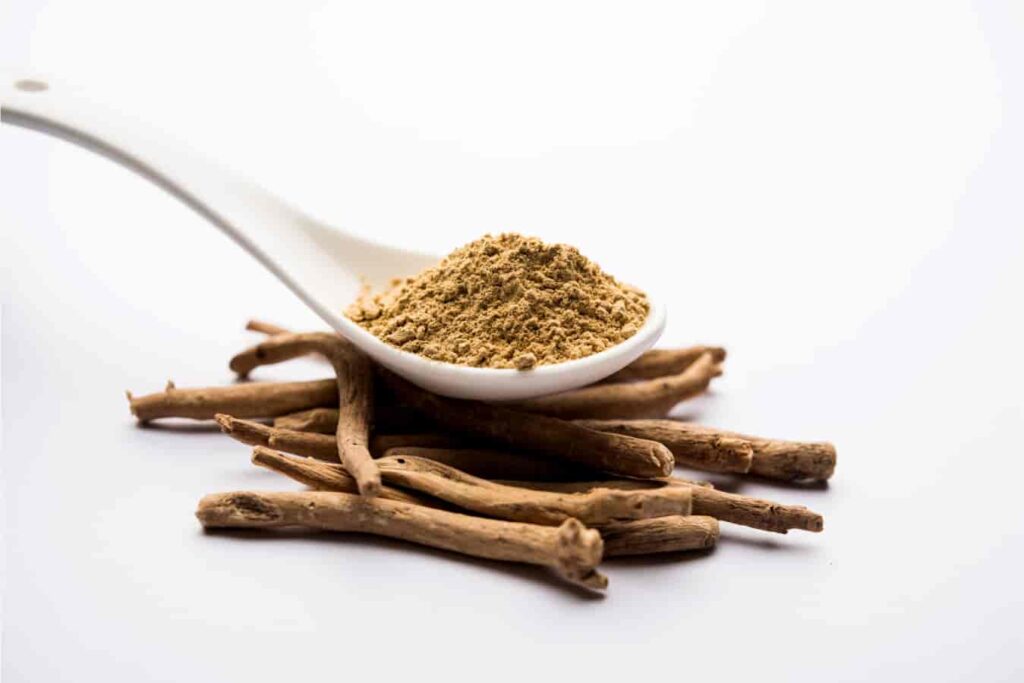
Indian ginseng, also known as Ashwagandha, is a highly used plant in the ancient art of Ayurvedic medicine. For centuries, it has been utilized in India, and its popularity has recently spread to the Western world.
What is Indian Ginseng?
Indian ginseng belongs to the Solanaceae family, which also includes tomato, bell pepper, and potato. The plant’s roots are rich in iron, making it a natural remedy for anemia. Its popularity stems from its potent immunomodulatory and anti-inflammatory properties as well as its ability to alleviate stress and anxiety.
Properties of Indian Ginseng
The scientific name of Indian ginseng is Whithania somnifera, which translates to “sleep-promoting” plant. This herb has been used for centuries to enhance mental and physical resilience. The active compounds in the roots have been shown to:
- Reduce stress and anxiety: A 2012 study published in the Indian Journal of Psychological Medicine found that Ashwagandha significantly reduced cortisol levels, making it an excellent remedy for students and athletes preparing for exams or intense training.
- Improve cognitive function: A 2014 article in the Journal of Dietary Supplements revealed that Ashwagandha can enhance memory and cognitive performance.
- Boost energy and strength: A 2015 study in the Journal of the International Society of Sports Nutrition found that Ashwagandha improved muscle strength and body composition.
- Possibly exhibit anticancer properties: Some in vitro and animal studies suggest that Ashwagandha may have anti-cancer properties, but further research is needed to confirm these findings.
Where to Buy Indian Ginseng
You can find supplements containing Indian ginseng extracts on the market. These capsules typically contain standardized dried extracts of Withania somnifera. You’re unlikely to find them in most grocery stores; instead, seek out health food stores or online retailers specializing in natural products. Amazon also offers various options.
Do I Need a Prescription?
As long as you follow recommended dosages, Ashwagandha is generally considered safe. However, it’s essential to consult with your healthcare professional before using any herbal supplement, especially if you have pre-existing medical conditions or take medications.
Precautions and Contraindications
While Ashwagandha has no apparent contraindications, its consumption during pregnancy should be avoided due to limited research on this topic. Always consult a naturopathic doctor or healthcare provider before using any herbal remedy, especially if you have underlying health conditions.
Growing Indian Ginseng at Home
Indian ginseng (Whithania somnifera) is a perennial plant native to the dry regions of India, the Middle East, and North Africa. While it can thrive in other climates with proper care, it’s essential to provide ideal growing conditions:
- Location: Choose a well-draining area with plenty of sunlight.
- Soil: Ensure the soil is slightly alkaline (pH 7.5-8) and not too wet or dry.
- Watering: Maintain consistent moisture, but avoid overwatering.
- Temperature: Protect the plant from frost and freezing temperatures.
Harvesting Indian Ginseng
The roots of Ashwagandha are typically harvested in late autumn or early winter when they’re mature. The roots are then cleaned, dried, and processed for use as supplements.
Conclusion
Indian ginseng, also known as Ashwagandha, is a highly valued plant with extensive medicinal properties. While its popularity has spread globally, it’s crucial to approach its use with caution and consult healthcare professionals before using any herbal supplement. With proper care and growing conditions, you can cultivate this remarkable plant at home.
Frequently Asked Questions (FAQs)
-
What is the active compound in Indian ginseng?
- The active compounds in Ashwagandha’s roots include withanolides, alkaloids, glycosides, and saponins.
-
How should I consume Indian ginseng?
-
You can consume Ashwagandha as a supplement (capsules or powders) or brew its roots into tea.
-
Can I grow Indian ginseng indoors?
-
Yes, but ensure you provide optimal growing conditions and protect the plant from frost.
-
Is Ashwagandha safe for pregnant women?
-
There is limited research on Ashwagandha’s effects during pregnancy; consult a healthcare professional before use.
-
Can I combine Indian ginseng with other herbs?
-
Consult a healthcare professional or naturopathic doctor before using any herbal supplement, especially if you’re taking medications or have underlying health conditions.
This plant has been extensively studied, and its potential benefits and risks are well understood. By consulting healthcare professionals and following recommended dosages, you can harness the power of Indian ginseng to enhance your overall well-being.
Potential Therapeutic Applications
Indian ginseng has shown promise in various therapeutic applications:
- Anxiety and stress relief: Ashwagandha’s adaptogenic properties make it an excellent remedy for reducing anxiety and stress.
- Cognitive enhancement: The herb may have a positive impact on cognitive function, including memory and concentration.
- Muscle strength and recovery: Ashwagandha has been shown to improve muscle strength and aid in recovery after intense exercise.
- Anticancer properties: Some studies suggest that Ashwagandha may exhibit anticancer properties, although more research is needed to confirm these findings.
Mechanisms of Action
Ashwagandha’s therapeutic effects are thought to be mediated by several mechanisms:
- Adaptogenic response: The herb triggers an adaptive response in the body, which helps to reduce stress and anxiety.
- Neurotransmitter regulation: Ashwagandha may influence neurotransmitters such as dopamine, serotonin, and GABA, which play a crucial role in mood regulation.
- Inflammation reduction: The herb has anti-inflammatory properties, which may help to mitigate chronic inflammation.
Future Research Directions
While the existing research on Indian ginseng is promising, further studies are needed to fully understand its therapeutic potential:
- Large-scale clinical trials: More extensive studies are required to confirm Ashwagandha’s efficacy in various therapeutic applications.
- Mechanistic studies: In-depth investigations into the herb’s mechanisms of action will help to better understand its therapeutic effects.
- Standardization and regulation: The development of standardized extracts and regulations for herbal supplements will ensure their quality and safety.
By continuing to explore the properties and potential benefits of Indian ginseng, researchers and clinicians can unlock new opportunities for improving human health and well-being.


