
Introduction
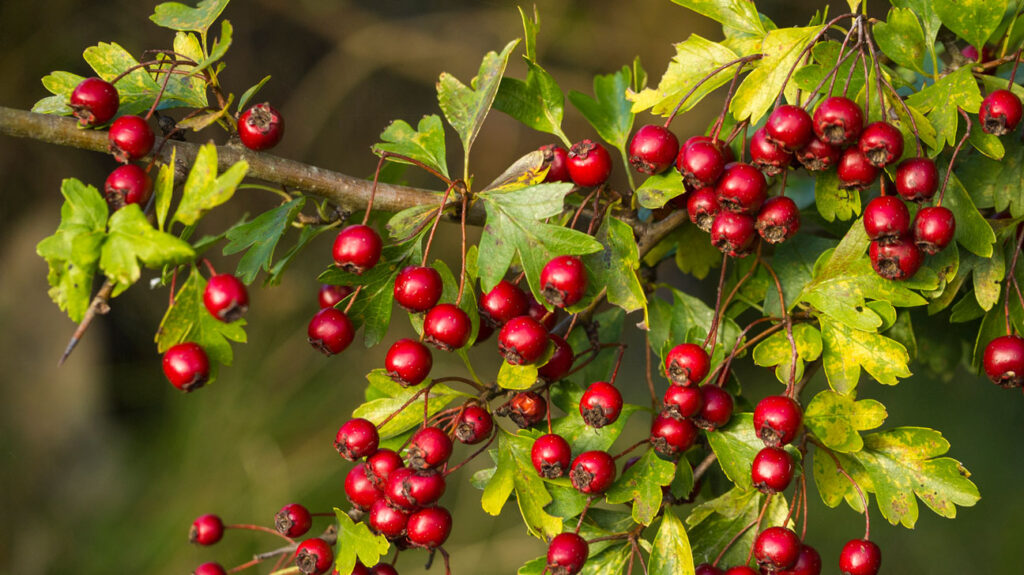
White hawthorn, also known as Crataegus monogyna, is a shrub with various properties that have been used for centuries in traditional medicine. In this article, we will explore the uses and benefits of white hawthorn, its preparation methods, and how to incorporate it into your daily life.
What are the Benefits of White Hawthorn?
White hawthorn is considered one of the “tranquillizing herbs” due to its ability to calm the heart and regulate blood pressure. Its leaves, bark, flowers, and berries have been used in traditional medicine for various purposes, including:
- Relieving anxiety and stress
- Reducing high blood pressure
- Improving cardiovascular health
- Enhancing sleep quality
- Providing antioxidant properties
History of White Hawthorn
White hawthorn is a native plant to Europe, Asia, and North Africa. It has been used for centuries in traditional medicine, particularly in European folklore. The plant’s thorns were believed to have protective qualities, while its berries were used as a remedy for various ailments.
How to Use White Hawthorn
White hawthorn can be used in several ways:
- Infusion: Steep 2 teaspoons of dried flowers or leaves in 1 cup of boiling water for 5-10 minutes. Strain and drink 2-3 times a day.
- Decoction: Boil 1 tablespoon of dried bark or leaves in 1 cup of water for 10-15 minutes. Strain and drink 2-3 times a day.
- Tincture: Take 20 drops of white hawthorn tincture, diluted with water or juice, 2-3 times a day.
Precautions and Contraindications
While white hawthorn is generally considered safe, there are some precautions to be aware of:
- Interactions with medications: White hawthorn may interact with certain medications, such as blood thinners and diabetes medications. Consult with a healthcare professional before using white hawthorn if you are taking any medications.
- Pregnancy and breastfeeding: There is limited research on the safety of white hawthorn during pregnancy and breastfeeding. Consult with a healthcare professional before using white hawthorn if you are pregnant or breastfeeding.
Contraindications
Some individuals should not use white hawthorn, including:
- Pregnant women: There is limited research on the safety of white hawthorn during pregnancy. Consult with a healthcare professional before using white hawthorn if you are pregnant.
- Breastfeeding mothers: There is limited research on the safety of white hawthorn during breastfeeding. Consult with a healthcare professional before using white hawthorn if you are breastfeeding.
Interactions with Other Medications
White hawthorn may interact with certain medications, including:
- Blood thinners: White hawthorn may increase the risk of bleeding when taken with blood thinners.
- Diabetes medications: White hawthorn may lower blood sugar levels when taken with diabetes medications.
Conclusion
White hawthorn is a versatile plant with various properties that have been used for centuries in traditional medicine. Its leaves, bark, flowers, and berries can be used to relieve anxiety, reduce high blood pressure, improve cardiovascular health, enhance sleep quality, and provide antioxidant properties. However, it’s essential to use white hawthorn responsibly and follow proper preparation methods and precautions to avoid any potential interactions or contraindications.
Frequently Asked Questions (FAQs)
Q: What is the best way to store white hawthorn?
A: White hawthorn can be stored in an airtight container in a cool, dry place. The flowers and leaves should be dried before storage.
Q: Can I use white hawthorn if I have high blood pressure?
A: Yes, but consult with a healthcare professional before using white hawthorn if you have high blood pressure. White hawthorn may interact with certain medications or worsen hypertension in some individuals.
Q: Is white hawthorn safe for pregnant women?
A: There is limited research on the safety of white hawthorn during pregnancy. Consult with a healthcare professional before using white hawthorn if you are pregnant.
Q: Can I use white hawthorn as a natural remedy for anxiety?
A: Yes, but consult with a healthcare professional before using white hawthorn as a treatment for anxiety. White hawthorn may interact with certain medications or worsen anxiety in some individuals.
Q: How can I grow my own white hawthorn plant?
A: White hawthorn is a deciduous shrub that prefers well-drained soil and full sun to partial shade. Plant the seeds or purchase a potted plant from a nursery or online retailer.
Conclusion
White hawthorn is a versatile plant with various properties that have been used for centuries in traditional medicine. Its leaves, bark, flowers, and berries can be used to relieve anxiety, reduce high blood pressure, improve cardiovascular health, enhance sleep quality, and provide antioxidant properties. By understanding the benefits, history, and uses of white hawthorn, you can incorporate it into your daily life and enjoy its numerous health benefits.
Additional Tips and Considerations
- Consult with a healthcare professional before using white hawthorn if you have any underlying medical conditions or are taking medications.
- Use high-quality, organic white hawthorn products to ensure maximum efficacy and safety.
- Monitor your blood pressure and other health markers regularly when using white hawthorn to ensure its safe use.
By following these guidelines and considering the additional tips and considerations, you can safely and effectively incorporate white hawthorn into your daily life and enjoy its numerous health benefits.


