
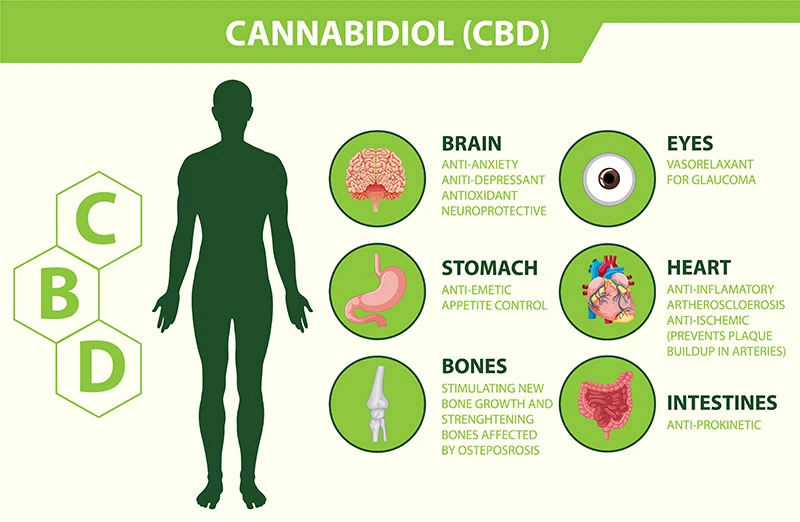
As we navigate the complex world of health and wellness, it’s essential to separate fact from fiction. One compound that has gained significant attention in recent years is cannabidiol (CBD), often misunderstood due to its association with cannabis. In this article, we’ll delve into the properties and effects of CBD, exploring its uses, benefits, and potential risks.
What is Cannabidiol?
CBD is a non-psychoactive compound found in the Cannabis sativa plant, making it the second most abundant substance after THC. Unlike THC, CBD does not produce euphoria or addiction, yet it boasts impressive properties like analgesia, anti-inflammation, and anxiolytic effects.
The Formula Chemically
For those with a scientific background, the formula for CBD is C21H30O2. This molecular structure indicates that CBD is a complex compound composed of 21 carbon atoms, 30 hydrogen atoms, and 2 oxygen atoms.
What is CBD Oil?
CBD oil, also known as hemp oil, is a popular way to consume CBD. It’s often diluted with coconut or olive oil and taken sublingually (under the tongue) or added to food and beverages. Another convenient option is taking capsules, which are particularly useful for travelers or those who prefer a more straightforward dosage.
Properties of Cannabidiol
CBD has numerous benefits, including:
- Analgesia: CBD reduces pain perception by interacting with receptors in the brain.
- Anti-inflammatory effects: CBD helps reduce inflammation, making it an excellent treatment for conditions like arthritis.
- Anxiolytic properties: CBD calms anxiety and stress by influencing neurotransmitters in the brain.
How Cannabidiol Works
The endocannabinoid system plays a crucial role in regulating various bodily functions, including pain perception, mood, and appetite. Cannabinoids, such as CBD, interact with this system by binding to receptors, which helps to restore balance to the body’s physiological processes.
Assuming Cannabidiol
CBD can be consumed through various methods:
- Oils: Add a few drops to food or beverages.
- Capsules: Take them orally for a more controlled dosage.
- Pastes or creams: Apply topically for localized relief.
- Vaporizers: Inhale CBD-infused vapor for a quick, effective way to consume it.
Cannabidiol: Potential Side Effects
While generally considered safe, CBD can cause some side effects:
- Dry mouth
- Changes in appetite
- Decreased blood pressure (rare)
- Dizziness or vertigo (excessive dosing)
Important Considerations for Optimal Use
To minimize potential risks and maximize benefits, it’s vital to consider the following factors when using CBD:
- Dosage: Start with a low dose and gradually increase as needed.
- Quality of products: Choose reputable brands that adhere to high standards of quality control.
- Consultation: Speak with a healthcare professional before using CBD, especially if you’re taking medications or have underlying health conditions.
Importance of Quality Products
To ensure the effectiveness and safety of CBD products, it’s essential to choose high-quality products from trusted manufacturers. When selecting a brand, look for:
- Third-party testing: Reputable brands should undergo rigorous testing to guarantee potency and purity.
- Transparency: Brands should be open about their production methods, ingredients, and certifications.
- Customer reviews: Research customer feedback to gauge the brand’s reputation and effectiveness.
For instance, FormulaSwiss offers top-notch biodegradable health supplements, nutritional products, and cosmetics produced by a Swiss family-run company since 2013. This trusted brand has gained widespread recognition for its exceptional results, as evidenced by customer satisfaction across 40 countries.
CBD Research: Emerging Insights
Recent studies have shed light on the potential benefits of CBD in various medical fields:
- Neuroprotection: CBD may help prevent or slow down neurodegenerative diseases like Alzheimer’s and Parkinson’s.
- Cancer treatment: CBD has shown promise in reducing cancer cell growth and inducing apoptosis (cell death).
- Mental health: CBD may have therapeutic effects on anxiety disorders, post-traumatic stress disorder (PTSD), and other mental health conditions.
Cannabidiol and the Law
As the popularity of CBD grows, so do regulatory questions. While some countries have legalized CBD products for medical use, others remain restrictive or unclear about their laws:
- US FDA: The FDA has approved a limited number of CBD-based products for therapeutic use, but more research is needed to fully understand its effects.
- European Union: Some EU member states have banned CBD products due to concerns over THC content and regulatory frameworks.
As we explore the world of CBD, it’s essential to approach this topic with an open mind and a critical eye. By understanding the properties and effects of CBD, you can harness its potential to improve your overall health and wellbeing. Always consult with a healthcare professional before using CBD, especially if you’re taking medications or have underlying health conditions.


