
Understanding the Genziana’s Properties and Uses
When it comes to the genziana, many people believe that it has the power to protect against drunkenness. However, this is just one of many myths surrounding this plant. In reality, the genziana is often used in the production of fine spirits due to its pleasant taste and ability to increase saliva production, making it an excellent aperitif.
But what exactly does reduce the effects of alcohol on the human body? Let’s take a closer look at this fascinating plant and explore its many uses and properties.
The Many Species of Genziana
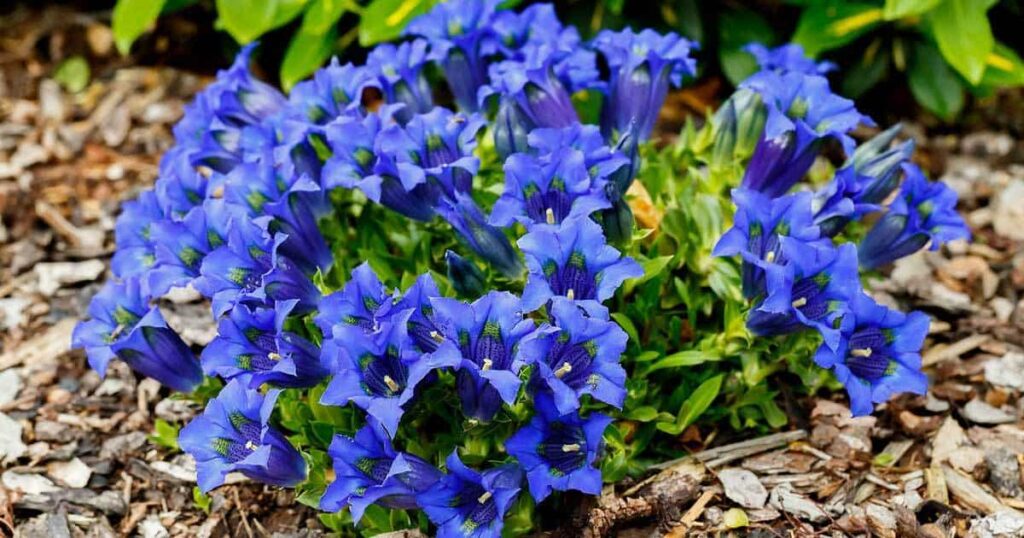
Did you know that there are over 20 species of genziana, including Gentiana Acaulis, which boasts beautiful blue flowers reminiscent of tiny zaffiries. The origin of the name “genziana” dates back to Genzio, a king from Illiria, who first revealed the medicinal properties of the plant’s root.
Another well-known species is the genziana asclepiadea, with its azure-blue flowers speckled with black spots.
Growing and Harvesting the Genziana
The genziana thrives in mountainous alpine regions and takes around 10-15 years to reach maturity. The plant’s properties are primarily concentrated in its root, which can grow up to the size of a fist and reach lengths of over a meter.
If you’re planning to forage for the genziana in alpine meadows, be cautious not to confuse it with the white elderberry, which can be toxic if ingested. The two plants have similar growth habits, but the key difference lies in their leaves: the elderberry has alternate leaves with a hairy underside.
The Ancient Uses of Genziana
In ancient times, people used to consume genziana in the hopes of curing snake bites. Unfortunately, this is just one of many misconceptions surrounding this plant. Instead, genziana is recognized for its ability to soothe digestive issues and liver problems, as well as its efficacy against parasites.
The root of the genziana can be harvested in autumn using a sturdy spade. After cleaning and drying, it’s essential to leave it exposed to the elements for a few weeks before storing it in a dry, well-ventilated area like a grain bin.
Preparing Genziana Infusions and Decoctions
The flowers of the genziana can be used to prepare delicious infusions or decoctions, while concentrated extracts from the root and macerated solutions made with water can also be used. Additionally, radish powder, hand baths, and foot soaks can be created using the plant’s dried and processed roots.
Medicinal Uses of Genziana
The genziana has been used for centuries in traditional medicine to treat a variety of ailments. Some of its most notable medicinal uses include:
- Digestive issues: The root of the genziana is often used to treat digestive problems such as bloating, gas, and indigestion.
- Liver problems: The plant’s ability to stimulate liver function makes it an excellent treatment for liver problems such as cirrhosis and fatty liver disease.
- Parasite control: Genziana has been used for centuries to treat parasitic infections such as malaria and amoebiasis.
- Respiratory issues: The plant’s anti-inflammatory properties make it a popular treatment for respiratory issues such as bronchitis and asthma.
Precautions and Side Effects
While the genziana is generally considered safe to use, there are some precautions and potential side effects to be aware of:
- Allergic reactions: Some people may be allergic to the genziana, which can cause symptoms such as hives, itching, and difficulty breathing.
- Interaction with medications: The genziana may interact with certain medications such as blood thinners and diabetes medications, so it’s essential to consult with a healthcare professional before using the plant.
- Toxicity: While rare, the genziana can be toxic if ingested in large quantities. Symptoms of toxicity include nausea, vomiting, and abdominal pain.
Cultivating Genziana
If you’re interested in growing your own genziana, here are some tips to get you started:
- Climate and soil requirements: The genziana thrives in mountainous alpine regions with cool temperatures and well-draining soil.
- Propagation: The plant can be propagated using seeds or division, but it’s essential to use high-quality seeds or divisions to ensure success.
- Care and maintenance: The genziana requires regular watering and fertilization to thrive. It’s also essential to provide the plant with plenty of sunlight and protection from extreme temperatures.
Conclusion
In conclusion, the genziana is a multifaceted plant with many secrets waiting to be uncovered. From its medicinal properties to its uses in cooking and traditional medicine, this fascinating plant has much to offer those willing to explore its world.
Frequently Asked Questions (FAQs)
-
Q: Can genziana protect against drunkenness?
A: While the genziana is often used in spirits production due to its pleasant taste and saliva-boosting properties, there is no scientific evidence to support its ability to reduce the effects of alcohol on the human body. -
Q: How long does it take for the genziana to reach maturity?
A: The genziana typically takes 10-15 years to mature in alpine regions. -
Q: Is it safe to eat the white elderberry, often confused with the genziana?
A: No, eating the white elderberry can be toxic due to its high levels of cyanide. -
Q: What are some common medicinal uses for the genziana root?
A: The root is recognized for its ability to soothe digestive issues and liver problems, as well as its efficacy against parasites. -
Q: How do you harvest the genziana root?
A: Use a sturdy spade to dig up the root in autumn, then clean and dry it before storing it properly. -
Q: Can I use the entire plant for medicinal purposes?
A: While the flowers can be used to make infusions or decoctions, the root is more concentrated with medicinal properties. -
Q: Is the genziana a good substitute for other plants in traditional medicine?
A: Due to its unique properties and potential toxicity risks, it’s best to consult an expert before substituting the genziana with other plants. -
Q: Can I use the genziana root as a natural dye or pigment?
A: While some reports suggest that the genziana root can be used as a natural dye, there is limited scientific evidence to support this claim. -
Q: Are there any potential side effects of consuming genziana?
A: Due to its high levels of caffeine and other compounds, consuming large quantities of genziana can cause adverse reactions. -
Q: Can I grow the genziana in my garden?
A: With proper care and conditions, the genziana can thrive in mountainous alpine regions; however, it’s not a plant that grows well in most gardens due to its specific requirements.


