
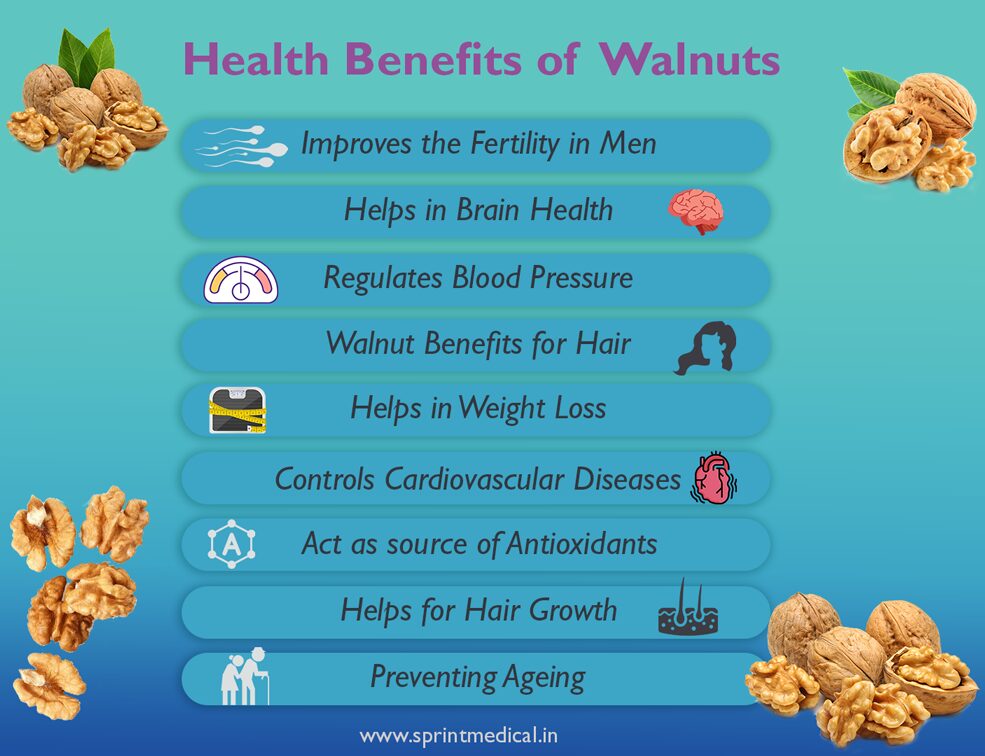
As we all know, the nutritional benefits of walnuts have been well-documented. However, it’s essential to use our best judgment when incorporating this food into our diet, as excessive consumption can lead to negative effects on our health. In this article, we’ll explore the principles of nutrition found in walnuts and discuss how many are safe to consume daily.
Nutritional Principles of Walnuts
Walnuts are rich in nutritional principles that set them apart from other dried fruits. They contain a high amount of mineral salts, including magnesium, potassium, and calcium. These minerals play a crucial role in maintaining healthy blood pressure, bone health, and muscle function. Additionally, walnuts are an excellent source of plant-based proteins and vitamins, particularly vitamin E, which is often difficult to find.
Walnuts also have a unique composition that makes them an excellent choice for heart health. They contain a high amount of monounsaturated and polyunsaturated fats, which can help lower LDL cholesterol levels and reduce the risk of cardiovascular disease. Furthermore, walnuts are rich in antioxidants like ellagic acid, which has been shown to have anti-inflammatory properties and may have potential anti-cancer effects.
Calories in Walnuts
While walnuts are nutritious, they’re also high in calories. A 100-gram serving of walnuts contains approximately 650 calories. This may seem excessive, but it’s essential to remember that these calories provide sustained energy and can help with weight management. However, if consumed excessively, walnuts can contribute to weight gain and obesity-related issues.
It’s worth noting that the high calorie content of walnuts is largely due to their fat content. While some of this fat is unsaturated, it’s still a significant amount. This means that individuals who are watching their diet closely should be mindful of their walnut intake.
How Many Walnuts Can You Consume Daily?
The general consensus among experts is that consuming three walnuts per day is sufficient. This translates to approximately 15 grams of walnuts and provides around 200 calories. However, it’s essential to remember that this amount should not be considered an “extra” snack or used as a substitute for other essential nutrients.
For individuals with obesity or severe weight gain, the recommended daily intake is significantly lower (less than three walnuts). Overconsumption of walnuts can lead to increased calorie intake, potentially exacerbating weight-related issues and increasing the risk of cardiovascular disease.
Sunglassed Walnuts: A Convenient Option?
While some people enjoy manually removing shells from walnuts, many are available pre-sungged. This convenient option allows for a hassle-free snacking experience. However, it’s essential to note that pre-sgussled walnuts may contain additives or preservatives.
If you’re considering purchasing pre-sgussled walnuts, look for brands that use minimal processing and avoid artificial preservatives. This will help ensure that your walnut snack is as nutritious as possible.
Walnut Recipes: A Delicious Way to Incorporate Them
When thinking of walnut recipes, one might immediately think of sweet treats like baked goods and desserts. While these options are delicious, we’ve chosen two savory recipes for this article: pasta with walnuts and gorgonzola, and vol-au-vents filled with gorgonzola and walnuts.
The pasta recipe is a great way to incorporate walnuts into your diet while providing a satisfying and filling meal. Simply cook pasta al dente, then toss it with a mixture of cooked gorgonzola cheese, toasted walnuts, and a pinch of black pepper.
For the vol-au-vent recipe, use pre-made surgelated pastry shells and fill them with a mixture of gorgonzola cheese, chopped walnuts, and herbs. Bake until golden brown, then serve as an appetizer or light snack.
Allergies and Intolerances: A Word of Caution
While walnuts are generally safe to consume for most people, some individuals may experience allergic reactions or intolerance. If you have a history of allergies or sensitivities, consult with your healthcare provider before consuming walnuts.
Symptoms of an allergy or intolerance can range from mild discomfort to life-threatening reactions. If you suspect that you’re experiencing an allergic reaction, seek medical attention immediately.
Excessive Walnut Consumption: Risks and Precautions
As mentioned earlier, excessive walnut consumption can lead to negative effects on our health. When consumed in excess, walnuts are high in calories, which can contribute to weight gain and obesity-related issues. Individuals with severe weight gain or obesity should limit their daily walnut intake or consider alternative snack options.
Other potential risks associated with excessive walnut consumption include:
- High blood pressure: Walnuts contain a significant amount of sodium (273 mg per 100 grams), which can be problematic for individuals with high blood pressure.
- Interference with medication absorption: Walnuts contain a compound called juglone, which may interfere with the absorption of certain medications. If you’re taking prescription medication, consult with your healthcare provider before consuming walnuts.
FAQs: Frequently Asked Questions about Walnuts
- How many walnuts can I safely consume per day?
Answer: Three walnuts (approximately 15 grams) is a recommended daily serving size for most adults. However, individuals with obesity or severe weight gain should limit their intake to less than three walnuts.
- Can walnuts be used as a substitute for other snacks?
Answer: No, walnuts should not be considered an “extra” snack or used as a replacement for essential nutrients.
- What are the nutritional benefits of walnuts?
Answer: Walnuts are rich in mineral salts, plant-based proteins, vitamins, and antioxidants like ellagic acid, which has anti-inflammatory properties and potential anti-cancer effects.
- Are walnuts safe to consume for individuals with allergies or sensitivities?
Answer: While rare, some individuals may experience allergic reactions or intolerance to walnuts. If you have a history of allergies or sensitivities, consult your healthcare provider before consuming walnuts.
- Can walnuts help reduce cholesterol levels?
Answer: Yes, walnuts contain omega-3 fatty acids, which can help lower LDL cholesterol levels and contribute to improved heart health.
- How many calories are in one 100-gram serving of walnuts?
Answer: Approximately 650 calories.
- Are walnuts high in sodium?
Answer: Yes, walnuts contain a significant amount of sodium (273 mg per 100 grams).
- Can walnuts be consumed by individuals with obesity or severe weight gain?
Answer: No, excessive walnut consumption can contribute to weight gain and obesity-related issues. Individuals with severe weight gain or obesity should limit their daily walnut intake or consider alternative snack options.
Additional Tips for Safe and Healthy Walnut Consumption
- Choose unsalted walnuts whenever possible.
- Opt for organic or minimally processed walnuts when purchasing in bulk.
- Consider grinding your own walnuts at home to avoid added preservatives and sodium.
- Use walnuts as a topping for oatmeal, yogurt, or salads for an added boost of nutrition.
Conclusion
Walnuts are a nutritious food that can provide numerous health benefits when consumed in moderation. While they’re high in calories, the sustained energy provided by walnuts can help with weight management. To safely incorporate walnuts into your diet, follow these guidelines:
- Consume three walnuts per day (approximately 15 grams).
- Choose unsalted or minimally processed walnuts whenever possible.
- Be mindful of sodium content and potential interactions with medications.
- Use walnuts as a topping for oatmeal, yogurt, or salads for an added boost of nutrition.
By following these guidelines and being aware of the potential risks associated with excessive walnut consumption, you can safely enjoy the numerous health benefits that walnuts have to offer.


