
As the world grapples with the challenges of climate change, accurate and reliable weather data has never been more crucial. A professional meteorological station is a vital tool in this endeavor, providing essential information on atmospheric conditions that can inform decisions across various sectors, from agriculture to urban planning.
In this article, we’ll delve into the world of station meteorologica professionale, exploring the tools and sensors used to measure key parameters like temperature, humidity, wind speed, precipitation, and solar radiation. We’ll also discuss the importance of data homogeneity and the role of organizations like the World Meteorological Organization (WMO) in ensuring that weather data is accurate and reliable.
What is a Station Meteorologica Professionale?
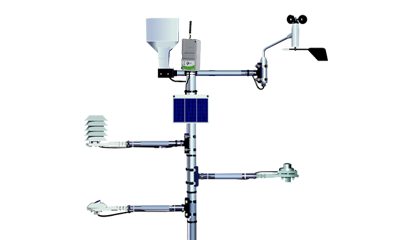
A station meteorologica professionale is a structured setup designed to collect and measure atmospheric conditions. This can include traditional instruments such as:
- Thermometer: measures the temperature of the air
- Barometer: measures atmospheric pressure
- Hygrometer: measures humidity levels
- Anemometer: measures wind speed and direction
- Precipitation gauge: measures precipitation amounts
- Pyranometer: measures solar radiation
In addition to these traditional instruments, modern sensors can provide additional data on:
- Visibility: the distance you can see
- Cloud cover: the amount of cloud in the sky
- Ceiling height: the height of clouds
- Frost depth: the depth of frost on the ground
- Soil temperature: the temperature of the soil
WMO Guidelines for Sensor Placement
The WMO provides guidelines for the placement of weather sensors to ensure accuracy and reliability. For example:
- Anemometers should be installed at least 10 meters above ground level, in a sheltered location away from obstructions
- Temperature and humidity sensors should be placed within a Stevenson screen or pagoda to protect them from direct sunlight
- Precipitation gauges should be installed at least 1.5 meters above ground level, and away from surfaces that could interfere with measurement
The Importance of Data Homogeneity
Accurate weather data is only as good as the data itself. To ensure that data is reliable, it’s crucial to have a consistent system in place for collecting and storing data. This includes:
- Using the same instruments and sensors across all stations
- Following established protocols for data collection and storage
- Regularly calibrating and maintaining equipment
Rethinking Traditional Weather Station Networks
While traditional weather station networks have been the norm, new technologies are emerging that could revolutionize the way we collect and use weather data. Some of these innovations include:
- Wireless sensors: can transmit data wirelessly to central stations
- IoT devices: can collect and analyze large amounts of data in real-time
However, these new systems also raise important questions about data quality and reliability.
Benefits of Modern Sensors
Modern sensors offer several benefits over traditional instruments. These include:
- Improved accuracy: modern sensors can provide more accurate measurements than traditional instruments
- Increased range: modern sensors can be used to measure atmospheric conditions over larger areas
- Reduced maintenance: modern sensors require less maintenance than traditional instruments
Challenges of Modern Sensors
While modern sensors offer several benefits, there are also challenges associated with their use. These include:
- Data quality: modern sensors can provide high-quality data, but this data must be carefully collected and stored to ensure accuracy
- Interoperability: different manufacturers may have different standards for data transmission, which can make it difficult to integrate data from multiple sources
- Security: modern sensors can be vulnerable to cyber attacks, which can compromise the integrity of the data they collect
The Role of the WMO in Ensuring Data Quality
The World Meteorological Organization (WMO) plays a critical role in ensuring that weather data is accurate and reliable. The WMO:
- Develops guidelines for sensor placement and data collection
- Provides training and support for meteorologists and other professionals working with weather data
- Establishes standards for data quality and transmission
Conclusion
A station meteorologica professionale is a critical tool in the fight against climate change. By understanding the importance of accurate and reliable weather data, we can make informed decisions that benefit our communities and the environment.
If you have any questions or concerns regarding station meteorologica professionale, feel free to ask:
Frequently Asked Questions
Q: What is the purpose of a station meteorologica professionale?
A: A station meteorologica professionale is a structured setup designed to collect and measure atmospheric conditions.
Q: What types of sensors are used in a professional weather station?
A: Traditional instruments include thermometers, barometers, hygrometers, anemometers, precipitation gauges, and pyranometers. Modern sensors can provide additional data on visibility, cloud cover, ceiling height, frost depth, and soil temperature.
Q: Why is it important to follow WMO guidelines for sensor placement?
A: Following WMO guidelines ensures accuracy and reliability by minimizing interference from obstructions and direct sunlight.
Q: How can I ensure that my weather station data is homogeneous?
A: Use the same instruments and sensors across all stations, follow established protocols for data collection and storage, and regularly calibrate and maintain equipment.
Q: What are some new technologies emerging in the field of professional weather stations?
A: Wireless sensors and IoT devices can collect and analyze large amounts of data in real-time. However, these systems also raise important questions about data quality and reliability.
Q: How can I make informed decisions using accurate and reliable weather data?
A: By understanding the importance of accurate and reliable weather data, you can make informed decisions that benefit your community and the environment.


