
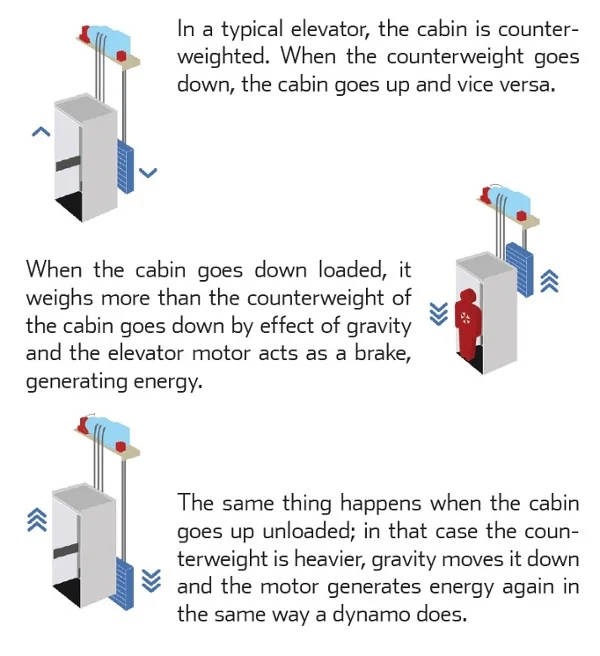
As the world shifts towards sustainable energy solutions, innovative technologies are emerging to reduce our reliance on traditional power sources. One such technology is the Energy Retrieve System (ERS), which enables electricity production from elevators. In this article, we’ll delve into the world of ERS and explore its benefits, applications, and potential impact on the industry.
What is the Energy Retrieve System?
The ERS is a patented system developed by Eco Sun Power that harnesses the kinetic energy generated during an elevator’s descent to produce electricity. This technology not only generates usable power but also reduces energy consumption in various phases of operation: lifting, standby, and utilization.
How Does it Work?
The ERS system utilizes two key parameters to determine energy production:
- Weight in Descent: The heavier the load, the more energy is generated.
- Elevator System Type: Different systems produce varying amounts of energy based on their design.
During the descent phase, the ERS captures the kinetic energy and converts it into electricity. This energy is then utilized for various purposes, such as heating water or powering building systems.
Benefits of ERS
The ERS offers several advantages:
- Energy Generation: Produce electricity during elevator operation.
- Consumption Reduction: Minimize energy usage in lifting, standby, and utilization phases.
- Adaptability: Suitable for new installations and retrofitting existing elevators.
ERS can be integrated with either a traditional motor or a magnetically driven generator. In the case of elevators, the system produces electricity proportional to the weight difference between the cabin and its payload.
Calculating ERS Energy Production
On average, an elevator’s descent generates 3-6 Watts per kilogram of weight difference. This translates to:
- 30% – 60% of energy usage: Depending on the operating conditions.
ERS can power various building systems, including:
- Heated Water Systems: Through resistive heating elements.
- Lighting and Communication Systems: Such as lights, speakers, or intercoms.
- Pumps and Ventilation Systems: Essential for maintaining a comfortable indoor environment.
Real-World Applications
ERS is being implemented in various settings:
- Residential Buildings: Condominiums and apartments are embracing this innovative technology to reduce energy consumption.
- Industrial Settings: Carroponts and other industrial applications are also benefiting from ERS.
As the world continues to shift towards sustainability, technologies like ERS will play a vital role in reducing our reliance on traditional power sources. By harnessing the energy generated by elevators, we can create more efficient, environmentally friendly buildings and reduce our carbon footprint.
Frequently Asked Questions
- What is the maximum energy production capacity of an ERS system?
The energy production capacity of an ERS system depends on various factors, including the weight difference between the cabin and its payload. - Can ERS be used in conjunction with existing elevators?
Yes, ERS can be integrated with either a traditional motor or a magnetically driven generator. - What are some potential applications for ERS-generated electricity?
ERS-generated electricity can power various building systems, including heated water systems, lighting and communication systems, pumps, and ventilation systems.
Challenges and Future Directions
While the ERS system shows great promise, there are several challenges that need to be addressed:
- Cost: The initial cost of installing an ERS system may be higher than traditional elevator systems.
- Maintenance: Regular maintenance is necessary to ensure optimal performance and longevity of the system.
- Standardization: Standardization of ERS systems will be crucial for widespread adoption.
To overcome these challenges, researchers and manufacturers are exploring new technologies and design improvements. For instance:
- Advanced Materials: New materials with improved energy efficiency could lead to more powerful and efficient ERS systems.
- Optimization Algorithms: Sophisticated algorithms can optimize energy production and reduce waste.
- Integration with Building Management Systems (BMS): Integration of ERS with BMS can enable real-time monitoring and optimization of building systems.
Conclusion
The Energy Retrieve System is a revolutionary technology that has the potential to transform the way we approach energy production and consumption. By harnessing the kinetic energy generated by elevators, we can create more efficient, environmentally friendly buildings and reduce our carbon footprint. As researchers and manufacturers continue to innovate and improve the ERS system, we can expect to see widespread adoption in various industries.
Future Research Directions
To further advance the field of ERS technology, researchers should focus on:
- Optimizing System Design: Investigate new design approaches that maximize energy production while minimizing costs.
- Material Science: Develop advanced materials with improved energy efficiency and durability.
- Integration with Smart Grids: Integrate ERS systems with smart grids to enable real-time monitoring and optimization of energy distribution.
By exploring these research directions, we can unlock the full potential of the Energy Retrieve System and create a more sustainable future for our planet.


