
In recent years, pressure cooking has gained popularity as a healthy and efficient way to cook food. But is it safe? In this article, we’ll explore the benefits of pressure cooking, debunk common myths, and provide you with the knowledge to get started with modern stovetops.
Introduction
Pressure cooking has been around for centuries, but its widespread adoption in recent years can be attributed to advances in technology and a growing awareness of its numerous benefits. In this article, we’ll delve into the world of pressure cooking, discussing its safety features, nutrient preservation, and versatility.
Is Pressure Cooking Safe?
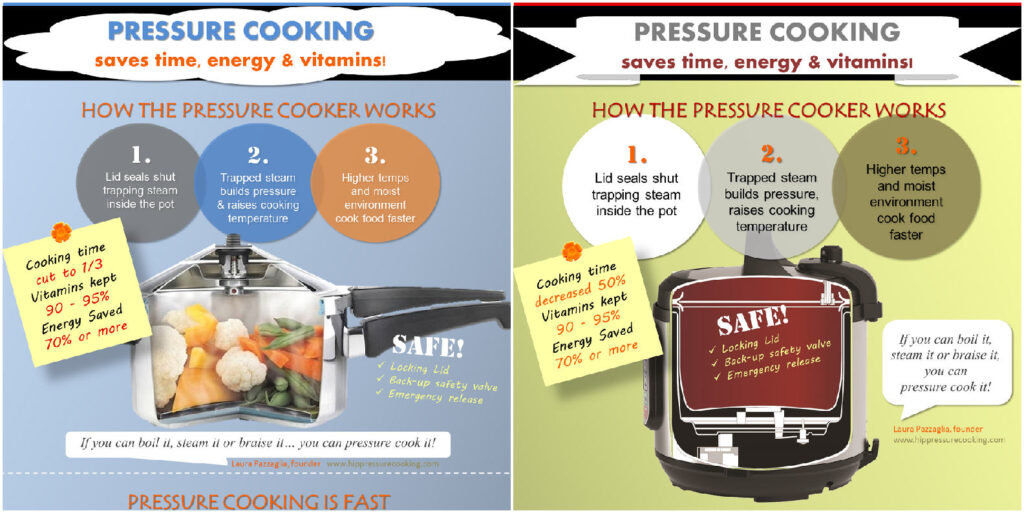
Before we dive into the benefits, let’s address a common concern: safety. Many people believe that pressure cooking is hazardous due to high temperatures and pressure. However, modern pressure cookers come equipped with safety features such as:
- Pressure limiters: These devices prevent the pressure from exceeding a safe level, ensuring that the cooker won’t overheat or explode.
- Locking mechanisms: The lid and valve are designed to stay closed during cooking, preventing steam from escaping.
- Thermal overload protection: If the cooker overheats, it will automatically shut off.
These features provide peace of mind, allowing you to cook with confidence. In fact, pressure cookers have undergone significant safety improvements in recent years, making them a safe and reliable option for home cooks.
Micronutrient Preservation
One of the most significant benefits of pressure cooking is its ability to preserve micronutrients. When food is cooked at high temperatures or for extended periods, nutrients can leach into the water. Pressure cooking, on the other hand, uses lower temperatures and shorter cooking times, ensuring that more nutrients are retained in the food.
Benefits of Pressure Cooking
So, what else can you expect from pressure cooking? Here are some key benefits:
- Rapid cooking: Pressure cooking reduces cooking time by up to 70%, making it ideal for busy home cooks.
- Energy efficiency: Modern pressure cookers use significantly less energy than traditional stovetops, making them an eco-friendly option.
- Reduced water usage: The reduced cooking time means you’ll use less water, conserving this precious resource.
- Less mess: The steam is contained within the cooker, reducing splashing and spills.
Versatility
Pressure cookers are not just limited to pressure cooking. You can also use them for:
- Steaming: By adding a steamer basket or a pot lid with holes, you can create a mini-steam oven.
- Braising: The pressure cooker’s ability to retain moisture makes it perfect for braising tougher cuts of meat.
Tips and Tricks
To get the most out of your pressure cooker, here are some tips:
- Use the right pot size: Choose a pot that’s large enough to hold at least 2-3 quarts of liquid.
- Monitor pressure: Keep an eye on the gauge to ensure the pressure doesn’t exceed safe levels.
- Don’t overfill: Leave about an inch of space between the food and the lid to allow for expansion.
Getting Started
Now that you know the benefits of pressure cooking, it’s time to get started! Here are some essential accessories to consider:
- Cestello: A steamer basket or a pot lid with holes is perfect for steaming vegetables.
- Griglia: A grill attachment allows you to sear meat and create crispy crusts.
Common Mistakes
To avoid common mistakes, be sure to follow these guidelines:
- Never leave the pressure cooker unattended while it’s in use.
- Always read the manufacturer’s instructions before using your pressure cooker for the first time.
- Clean the pressure cooker regularly to prevent mineral buildup.
Conclusion
Pressure cooking has come a long way since its introduction. With the right knowledge, accessories, and safety features, you can unlock the power of modern stovetops. Whether you’re looking to save time, energy, or water, pressure cooking is an excellent option. So go ahead, give it a try – your taste buds (and the environment) will thank you!
Frequently Asked Questions
- Is pressure cooking suitable for all types of cookware?
- No, pressure cooking requires specific pots and pans designed for high-temperature and pressure.
- How often should I descale my pressure cooker?
- Regularly cleaning the mineral deposits that can build up inside your cooker will help ensure optimal performance.
- Can I use a pressure cooker on an induction stovetop?
- Yes, but check the manufacturer’s instructions to confirm compatibility.
Additional Resources
- Pressure Cooker User Manual
- Pressure Cooking Recipes on Pinterest


