
Are you tired of spending hours in the kitchen, slaving away over a hot stove? Do you struggle with cooking methods that seem to take forever, but always yield disappointing results? If so, it’s time to meet your new best friend: the pressure cooker.
For many, the pressure cooker is seen as a convenient solution for busy home cooks. But what if I told you that this humble kitchen staple can also revolutionize the way you cook, making it easier, faster, and healthier than ever before? Let’s dive into the world of pressure cooking and explore its many benefits.
What is Pressure Cooking, Anyway?
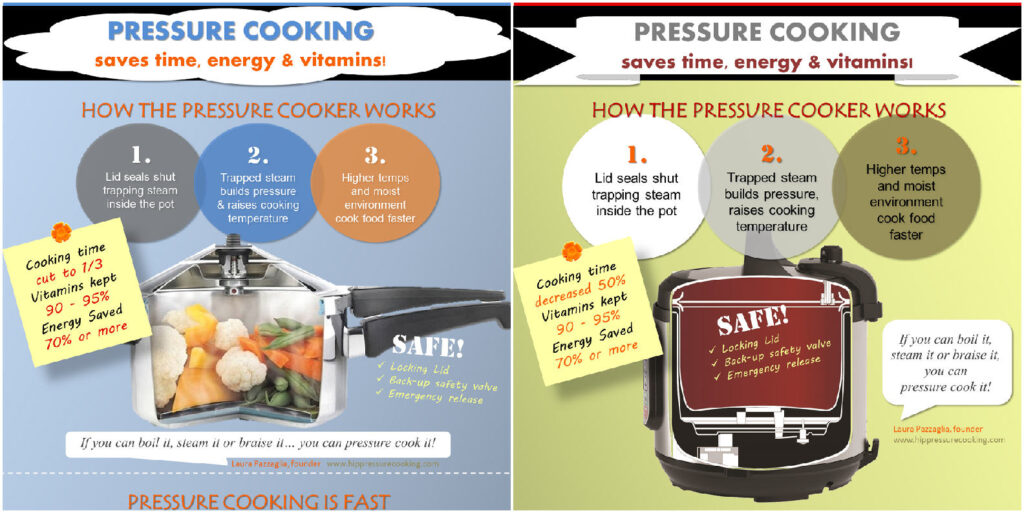
Pressure cooking uses high pressure to accelerate the cooking process, reducing cooking time by up to 70%. This is achieved through the use of a specialized pot with a tight-fitting lid that traps steam inside, creating an environment where food cooks faster than it would at standard atmospheric pressure.
The Benefits of Pressure Cooking
So why should you care about pressure cooking? For starters, it’s a game-changer for anyone who values their time. By reducing cooking time, you’ll have more hours in your day to focus on other things… like your job, family, or hobbies.
But pressure cooking isn’t just about convenience – it’s also about nutrition and flavor. Because the pressure cooker seals in nutrients and flavors, you can expect better-tasting meals that are packed with vitamins and minerals.
The Science Behind Pressure Cooking
So how does it work? Well, here’s the magic: when you add food to a pressure cooker, the lid closes, trapping steam inside. This creates a build-up of pressure that accelerates the cooking process. Because of this, food cooks faster than it would at standard atmospheric pressure.
To give you an idea of just how much pressure can make a difference, consider this:
- Cooking time for beans: 20-30 minutes with pressure cooking vs. 1 hour or more with traditional methods
- Cooking time for rice: 10-15 minutes with pressure cooking vs. 30-40 minutes with traditional methods
Getting Started with Pressure Cooking
If you’re new to pressure cooking, don’t worry – it’s easier than you think! Here are a few tips to get you started:
- Start with simple recipes and gradually move on to more complex ones
- Experiment with different types of food, such as beans, grains, and vegetables
- Don’t be afraid to try new ingredients and flavors
Choosing the Right Pressure Cooker
With so many options available, choosing the right pressure cooker can seem daunting. Here are a few things to consider:
- Capacity: How much food do you typically cook at one time? A larger capacity may be more suitable for families or large batches of food.
- Material: Look for a durable, easy-to-clean material that won’t scratch or rust easily.
- Features: Consider features like automatic shut-off, pressure gauge, and non-stick coating.
Common Pressure Cooking Mistakes to Avoid
While pressure cooking can seem intimidating at first, there are a few common mistakes to avoid:
- Overfilling the pot: Leave enough space for the food to expand during cooking.
- Not following recipe instructions: Always follow the recommended cooking times and pressures to ensure safe and successful cooking.
- Not using the right ingredients: Some foods may require special handling or modifications to ensure safe and successful cooking.
Pressure Cooking: The Ultimate Kitchen Companion
In the world of cooking, pressure cookers are not just a tool – they’re a lifestyle. With their ability to quickly and easily prepare healthy, delicious meals, it’s no wonder that they’ve become a staple in kitchens around the globe.
Whether you’re a busy professional or a stay-at-home parent, a pressure cooker is an investment worth making. Not only will it save you time, but it’ll also help you cook healthier, tastier meals that your family will love.
Health Benefits of Pressure Cooking
Pressure cooking can have numerous health benefits, including:
- Preserving nutrients: Because the pressure cooker seals in nutrients and flavors, you can expect better-tasting meals that are packed with vitamins and minerals.
- Reducing food waste: By cooking smaller quantities of food, you’ll reduce the amount of food that goes to waste.
- Lowering sodium intake: Pressure cooking can help reduce sodium levels by allowing you to use less salt and broth.
Flavor Enhancement
Pressure cooking is not just about convenience – it’s also about flavor. Because the pressure cooker seals in nutrients and flavors, you can expect better-tasting meals that are packed with depth and complexity.
To enhance flavor, try adding aromatics like onions, garlic, and ginger to your pressure cook pot. You can also experiment with different spices and herbs to create unique and delicious flavor profiles.
Savory Delights: Pressure Cooking Recipes
Here are a few savory delight recipes to get you started:
- Chicken noodle soup
- Vegetable stir-fry
- Beef stew
- Lentil curry
Sweet Treats: Pressure Cooking Desserts
Who says pressure cooking is just for savory dishes? Here are a few sweet treat recipes to try:
- Apple crisp
- Panna cotta
- Cheesecake
- Chocolate cake
Conclusion
Pressure cooking may seem like a mystery to some, but trust us – it’s worth getting to know. With its ability to quickly and easily prepare healthy, delicious meals, it’s no wonder why pressure cookers have become so popular in recent years.
So what are you waiting for? Dive into the world of pressure cooking today and discover a whole new way of cooking that will change your life forever!
Frequently Asked Questions
-
What is the difference between a pressure cooker and an Instant Pot?
While both pressure cookers and Instant Pots use high pressure to accelerate cooking, there are key differences in terms of design, functionality, and price. -
Can I use my pressure cooker for canning?
Yes! Pressure cookers can be used for canning, but it’s essential to follow safe canning practices to avoid spoilage and foodborne illness. -
Are pressure cookers suitable for all types of food?
Not all foods are created equal when it comes to pressure cooking. Some foods, such as eggs and bones, may require special handling or modifications to ensure safe and successful cooking. -
How do I choose the right size pressure cooker for my needs?
When choosing a pressure cooker, consider your cooking frequency and the types of food you typically cook. A larger capacity may be more suitable for families or large batches of food. -
Can I use a pressure cooker to cook raw meat?
While it’s technically possible to cook raw meat in a pressure cooker, it’s essential to follow safe handling practices to avoid foodborne illness. -
Are pressure cookers energy-efficient?
Yes! Pressure cookers are highly efficient, using significantly less energy than traditional cooking methods for the same amount of food. -
Can I use my pressure cooker on the stovetop or in the oven?
Most modern pressure cookers are designed to be used on the stovetop only, but some may have specific features that allow for oven or slow cooker use. -
How do I maintain and clean my pressure cooker?
Regular maintenance and cleaning of your pressure cooker can help ensure optimal performance and extend its lifespan.


