
In today’s world, where unexpected events can occur at any moment, the concept of prepping has become increasingly important for personal safety and security. Prepping is not about hoping for the worst-case scenario; it’s about being prepared to face it head-on. In this article, we’ll delve into the concept of prepping, its history, and why it’s essential for individuals who want to take control of their lives.
Understanding the Concept of Prepping
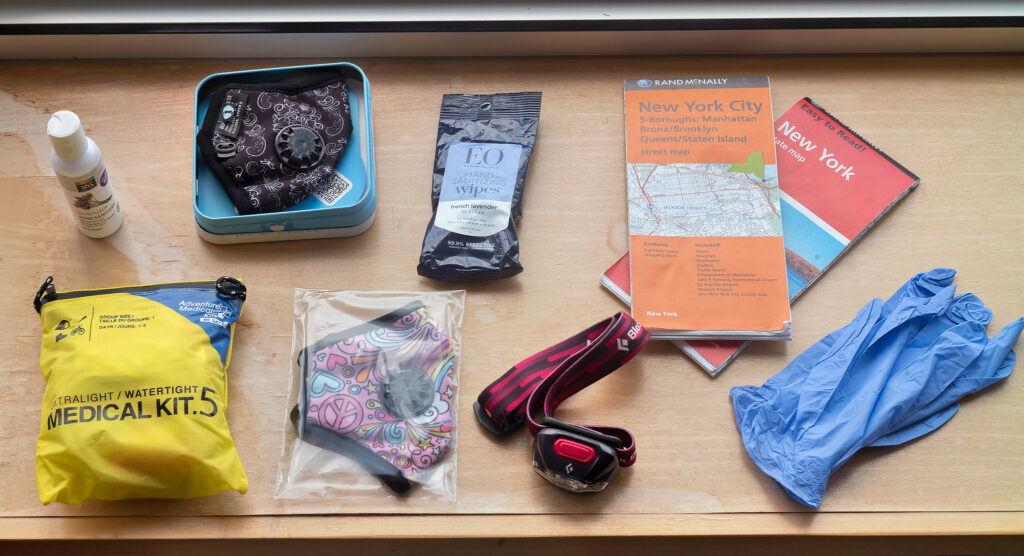
Prepping involves preparing for potential emergencies and disasters by stockpiling food, water, first aid supplies, and other essential items. It also includes learning basic skills such as self-defense, navigation, and communication. Preppers aim to be self-sufficient and able to respond to emergencies without relying on external authorities or services.
The History of Prepping
The concept of prepping has been around for centuries, with evidence of individuals preparing for disasters dating back to ancient civilizations. However, modern prepping as we know it today began to take shape in the 1970s and 1980s, particularly among survivalists and disaster preparedness enthusiasts.
The Rise of Prepping
In recent years, the number of people preparing for emergencies has increased significantly. This trend is largely driven by current events, such as natural disasters, terrorist attacks, and economic uncertainty. The media often sensationalizes these events, creating a sense of fear and anxiety among the public. As a result, many individuals are taking matters into their own hands and learning how to prepare for the worst.
Prepping vs. Survivalism
While prepping and survivalism share some similarities, they are not exactly the same thing. Prepping focuses on prevention and preparation, whereas survivalism is more about responding to disasters after they’ve occurred. Think of prepping as a proactive approach to safety, while survivalism is a reactive one.
Preppers often focus on long-term preparedness, building a sustainable lifestyle that includes food production, energy generation, and waste management. Survivalists, on the other hand, tend to focus on short-term preparedness, such as stockpiling food and water for immediate needs.
The Psychology of Prepping
So, why do people engage in prepping? The answer lies in psychology. When faced with uncertainty, humans tend to either freeze or act impulsively. Preppers, on the other hand, take control of their situation by preparing for potential emergencies. This mindset allows them to feel more secure and empowered, rather than helpless and vulnerable.
Prepping also taps into a sense of self-reliance and personal responsibility. By taking charge of one’s own safety and security, individuals can experience a sense of pride and accomplishment that comes from being prepared for the unexpected.
The Importance of Sensibilization
Sensibilization is a crucial aspect of prepping. It involves educating oneself and others about emergency preparedness and response. In countries like Japan and Switzerland, sensibilization efforts have been successful in reducing the number of fatalities during natural disasters. Italy can also learn from these examples and invest in similar initiatives to improve its emergency preparedness.
Prepping in Italy
Italy is no stranger to emergencies, from earthquakes to environmental disasters. However, many Italians lack adequate preparation for such events. Preppers in Italy are working to change this by promoting awareness and education about emergency preparedness. They also organize training exercises and provide resources for individuals to improve their skills.
In Italy, prepping often focuses on preparing for specific types of emergencies, such as earthquakes or floods. By targeting these areas, preppers can make a tangible impact on the safety and security of themselves and their loved ones.
Criticisms of Prepping
Prepping has faced criticism from some quarters, with some labeling preppers as “doomsday enthusiasts” or “paranoid.” However, these critics fail to understand the value of preparation and the importance of being proactive in the face of uncertainty. Preppers are not anti-progress; they’re simply taking responsibility for their own safety and well-being.
Prepping is often misunderstood as a form of hoarding or paranoia. However, preppers typically focus on long-term preparedness and aim to be self-sufficient rather than reliant on external resources.
Conclusion
Prepping is not just about preparing for disasters; it’s about living a more secure and empowered life. By understanding the concept of prepping, its history, and its importance, individuals can take control of their safety and security. Whether you’re in Italy or elsewhere, it’s essential to prioritize preparation and sensibilization efforts to ensure a better future.
Frequently Asked Questions
- What is prepping, and why is it important?
Prepping is the act of preparing for potential emergencies and disasters by stockpiling food, water, first aid supplies, and other essential items. It’s essential because it allows individuals to take control of their safety and security, rather than waiting for the worst to happen.
- Is prepping just for doomsday enthusiasts?
No, prepping is not just for people who are obsessed with the apocalypse. Preppers come from all walks of life, and they’re motivated by a desire to be prepared for any situation that may arise.
- How can I start preparing for emergencies?
Start by educating yourself about emergency preparedness and response. Learn basic first aid skills, create an emergency kit, and develop a family emergency plan. Consider taking courses or workshops on topics like self-defense, navigation, and communication.
- Is prepping expensive?
Prepping doesn’t have to be expensive. You can start by making small changes in your daily life, such as stocking up on non-perishable food items or learning basic first aid techniques. As you become more comfortable with the concept of prepping, you can invest in more advanced equipment and training.
- Can I trust the authorities during an emergency?
While authorities are trained to respond to emergencies, it’s essential to also take personal responsibility for your safety and security. This means having a plan in place and being prepared to act on your own. In some cases, relying solely on authorities may not be enough to ensure your safety.
- Is prepping just for natural disasters?
No, prepping is not just for natural disasters. It can also be applied to other areas of life, such as financial preparedness or health emergencies. By taking a proactive approach to preparedness, individuals can build resilience and adaptability in all aspects of their lives.
- Can I join a prepping community?
Yes, there are many online and offline communities dedicated to prepping. Joining one of these communities can provide valuable resources, support, and networking opportunities. Consider attending local workshops or conferences on emergency preparedness and response.
- Is prepping a sign of paranoia?
Prepping is not about being paranoid; it’s about being prepared for any situation that may arise. By taking control of your safety and security, you’re not being paranoid; you’re being proactive and responsible.


