
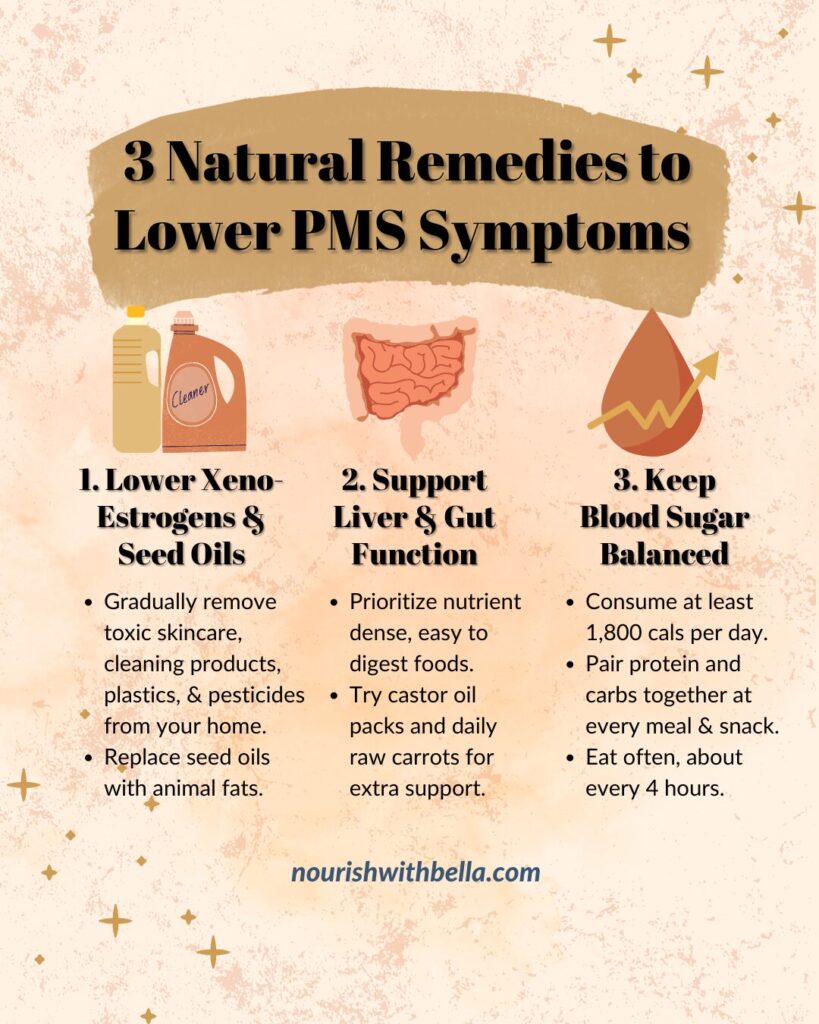
Premenstrual syndrome (PMS) is a common condition that affects women’s emotions, physical health, and behavior during certain days of their menstrual cycle, usually just before menstruation. While the exact cause of PMS is unknown, research suggests that it may be linked to hormonal changes and serotonin levels at the beginning of the menstrual cycle.
Understanding Factors of Risk
While the exact cause of PMS is still unknown, there are several factors that increase a woman’s risk of developing the condition. These include:
- A history of depression or mood disorders
- Family history of PMS or depression
- History of physical or emotional abuse
- Substance abuse
- Physical trauma
- Emotional trauma
Symptoms of Premenstrual Syndrome
PMS symptoms typically begin 5-10 days before menstruation and usually subside once menstruation starts. However, the severity of symptoms can vary from woman to woman, and even from month to month.
Common PMS symptoms include:
- Bloating
- Abdominal pain
- Breast tenderness
- Acne
- Increased cravings for sweets
- Constipation
- Diarrhea
- Headaches
- Sensitivity to light and sound
- Fatigue
- Irritability
- Changes in sleep patterns
- Anxiety
- Depression
- Mood swings
Managing PMS Symptoms
While there is no cure for PMS, various treatments can help alleviate symptoms. For women with mild to moderate PMS, the following measures may be effective:
- Staying hydrated: Drinking plenty of fluids can help reduce bloating.
- Balanced diet: Eating a healthy, balanced diet rich in fruits and vegetables can improve overall health and energy levels.
- Vitamin supplements: Taking supplements like folic acid, vitamin B-6, calcium, and magnesium may help alleviate cramps and mood swings.
- Regular exercise: Engaging in physical activity can reduce bloating and improve mental well-being.
- Reducing stress: Practicing stress-reducing techniques like reading, yoga, or meditation can help manage symptoms.
When Symptoms are Severe
In some cases, PMS symptoms can be severe enough to interfere with daily life. If symptoms are severe, it’s essential to consult a healthcare provider for proper diagnosis and treatment.
Severe PMS symptoms may include:
- Depression
- Suicidal thoughts
- Panic attacks
- Extreme anxiety
- Intense mood swings
- Loss of interest in activities
- Difficulty concentrating
- Overeating
A healthcare provider may recommend the following treatments for severe PMS:
- Exercise: Regular physical activity can help alleviate symptoms.
- Vitamin supplements: Taking supplements like calcium, magnesium, and vitamin B-6 may help reduce cramps and mood swings.
- Dietary changes: Eating a balanced diet rich in fruits, vegetables, and whole grains may improve overall health.
- Stress management: Practicing stress-reducing techniques like yoga, meditation, or counseling can help manage symptoms.
Preventing PMS Symptoms
While it’s not possible to completely prevent PMS symptoms, certain lifestyle changes and treatments can reduce their severity and duration.
Some effective ways to prevent or alleviate PMS symptoms include:
- Maintaining a healthy weight: Excess weight can exacerbate symptoms.
- Engaging in regular exercise: Regular physical activity can improve overall health and reduce symptoms.
- Eating a balanced diet: A healthy, balanced diet rich in fruits, vegetables, and whole grains may improve overall health and reduce symptoms.
- Stress management techniques: Practicing stress-reducing techniques like yoga, meditation, or counseling can help manage symptoms.
Understanding the Impact of PMS on Daily Life
PMS can have a significant impact on daily life, affecting relationships, work performance, and overall well-being. Women with severe PMS may need to take time off from work or school, cancel plans, or avoid social situations due to symptoms.
To manage PMS symptoms and improve quality of life, it’s essential to:
- Openly communicate: Share feelings and experiences with loved ones, friends, and healthcare providers.
- Develop a support network: Surround yourself with people who understand and can provide emotional support.
- Prioritize self-care: Engage in activities that promote relaxation and stress reduction.
Challenges in Managing PMS Symptoms
Managing PMS symptoms can be challenging, especially for women with severe symptoms. Some common challenges include:
- Balancing treatment options: Finding the right combination of treatments to alleviate symptoms without causing adverse effects.
- Navigating healthcare systems: Accessing healthcare services and finding providers who understand PMS.
- Dealing with stigma and shame: Overcoming societal attitudes that view PMS as a personal failing or weakness.
By understanding the causes, recognizing symptoms, and exploring effective treatments, women can better manage their condition and improve their overall quality of life.


