
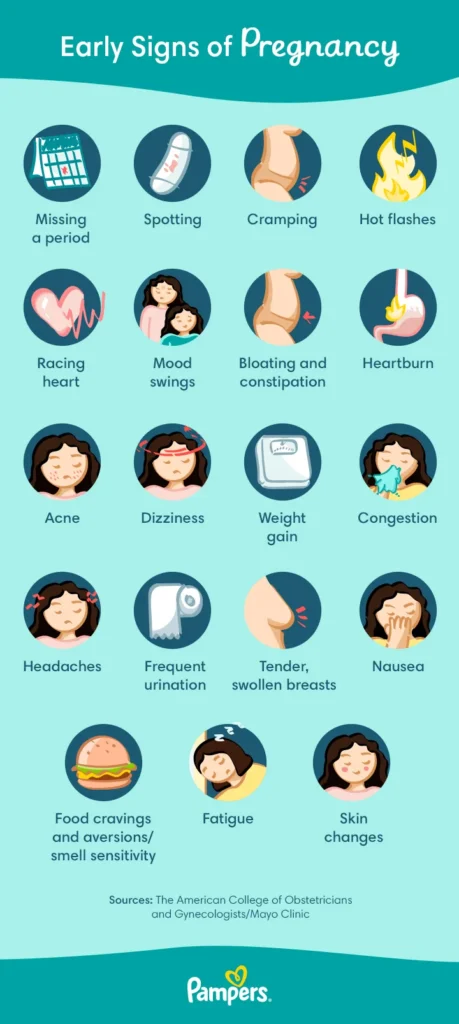
As soon as a woman discovers she is pregnant, she may start experiencing a range of physical and emotional symptoms. These symptoms can vary from person to person, but there are some common ones that many women experience during their pregnancy journey.
In this article, we will explore the most common symptoms of pregnancy, including nausea, fatigue, breast tenderness, frequent urination, and mood swings. We will also discuss why these symptoms occur and what they can mean for a woman’s health.
Early Symptoms of Pregnancy
During the first few weeks of pregnancy, a woman may experience some subtle changes in her body. These changes can be a result of hormonal fluctuations, which prepare the body for implantation of the fertilized egg.
Some common early symptoms of pregnancy include:
- Amenorrhea: The absence of menstrual periods, which can occur when a woman becomes pregnant.
- Spotting or light bleeding: Light bleeding or spotting can occur when an embryo implants in the uterus.
- Fatigue and exhaustion: Feeling extremely tired and exhausted due to hormonal changes.
The Nausea of Pregnancy
One of the most common symptoms of pregnancy is nausea, which can start as early as a few days after conception. This nausea can be intense and may be accompanied by vomiting. The hormone human chorionic gonadotropin (hCG) plays a role in this symptom, as it stimulates the body to produce more stomach acid.
To alleviate morning sickness, some women find that eating small, frequent meals throughout the day helps. Others may try ginger or other natural remedies to reduce nausea. Some common home remedies for morning sickness include:
- Ginger: Ginger has been shown to have anti-inflammatory properties and can help alleviate nausea.
- Vitamin B6: Taking a vitamin B6 supplement or eating foods rich in this vitamin, such as bananas and potatoes, may help reduce nausea.
- Rest: Getting plenty of rest and taking breaks throughout the day can also help alleviate morning sickness.
Breast Tenderness and Changes
During pregnancy, breast tenderness is common due to hormonal changes. The hormones estrogen and progesterone cause the breasts to swell and become more sensitive. This sensitivity can lead to breast tenderness, nipple soreness, and changes in nipple color.
In addition to breast tenderness, some women may experience swelling or redness of the skin, particularly on the nipples and areola. These symptoms usually subside after childbirth, but they can persist for several weeks or even months afterward.
To alleviate breast tenderness, some women find that applying a cold compress to the breasts helps. Others may try taking warm baths or using heating pads to soothe the breasts. Some common home remedies for breast tenderness include:
- Warm baths: Taking warm baths can help relax the breasts and reduce tenderness.
- Breast massage: Massaging the breasts gently can also help alleviate tenderness.
- Avoiding tight clothing: Wearing loose, comfortable clothing can help reduce breast tenderness.
Frequent Urination
As the uterus expands during pregnancy, it can put pressure on the bladder, leading to frequent urination. This symptom can be more pronounced in the first trimester, when the fetus is still small and the uterus is growing rapidly.
In addition to increased urine production, some women may experience a sudden urge to urinate or feel like they have to go to the bathroom immediately after drinking fluids. To alleviate frequent urination, some women find that drinking plenty of water helps to flush out the bladder and reduce symptoms.
Some common tips for managing frequent urination during pregnancy include:
- Drinking plenty of water: Staying hydrated by drinking plenty of water can help flush out the bladder and reduce symptoms.
- Avoiding caffeine and diuretics: Caffeine and diuretics, such as those found in some medications, can exacerbate frequent urination.
- Taking regular breaks to rest and relax: Getting plenty of rest and taking breaks throughout the day can also help alleviate frequent urination.
Mood Swings
One of the most common complaints during pregnancy is mood swings. These fluctuations in mood can be caused by hormonal changes, stress, and other factors.
Some women may experience irritability, anxiety, or depression during pregnancy, while others may feel more confident and energetic. In general, mood swings are a normal part of pregnancy, but they can also be a sign of an underlying issue that needs to be addressed.
To alleviate mood swings, some women find that talking to friends and family helps. Others may try practicing relaxation techniques, such as deep breathing or meditation, to reduce stress and anxiety.
Some common tips for managing mood swings during pregnancy include:
- Talking to loved ones: Talking to friends and family can help alleviate feelings of isolation and loneliness.
- Practicing self-care: Getting plenty of rest, eating healthy foods, and engaging in activities that bring joy can also help manage mood swings.
- Seeking professional help: If mood swings are severe or persistent, seeking professional help from a mental health provider may be necessary.
Physical Changes
During pregnancy, women may experience a range of physical changes. Some common changes include:
- Stretch marks: Stretch marks can occur on the abdomen, breasts, and thighs due to rapid weight gain.
- Back pain: Back pain can occur due to the growing uterus putting pressure on the spine.
- Varicose veins: Varicose veins can occur due to increased blood volume and pressure on the veins.
To alleviate physical discomfort during pregnancy, some women find that taking regular breaks to rest and relax helps. Others may try practicing good posture and engaging in exercises that strengthen the core muscles.
Some common tips for managing physical discomfort during pregnancy include:
- Taking regular breaks to rest and relax: Getting plenty of rest and taking breaks throughout the day can also help alleviate back pain.
- Practicing good posture: Maintaining good posture, such as standing up straight and avoiding slouching, can also help alleviate back pain.
- Engaging in exercises that strengthen the core muscles: Engaging in exercises that strengthen the core muscles, such as yoga or Pilates, can also help alleviate physical discomfort.
Emotional Changes
During pregnancy, women may experience a range of emotional changes. Some common changes include:
- Anxiety and worry: Anxiety and worry are common during pregnancy due to concerns about the health of the baby and the mother.
- Excitement and anticipation: Excitement and anticipation can also be present as women prepare for parenthood.
To alleviate emotional discomfort during pregnancy, some women find that talking to friends and family helps. Others may try practicing relaxation techniques, such as deep breathing or meditation, to reduce anxiety and worry.
Some common tips for managing emotional changes during pregnancy include:
- Talking to loved ones: Talking to friends and family can help alleviate feelings of isolation and loneliness.
- Practicing self-care: Getting plenty of rest, eating healthy foods, and engaging in activities that bring joy can also help manage emotional changes.
- Seeking professional help: If emotional discomfort is severe or persistent, seeking professional help from a mental health provider may be necessary.
Conclusion
Pregnancy is a unique and life-changing experience for many women. While it can bring joy and excitement, it can also come with a range of physical and emotional symptoms. By understanding what these symptoms are, why they occur, and how to manage them, women can better navigate their pregnancy journey.
In the following FAQs, we will address some common questions related to pregnancy symptoms and provide additional information on how to alleviate discomfort and promote overall well-being during this critical period.
Frequently Asked Questions
- What are the most common early symptoms of pregnancy?
Amenorrhea, spotting or light bleeding, fatigue and exhaustion. - Why do women experience nausea during pregnancy?
The hormone human chorionic gonadotropin (hCG) stimulates the body to produce more stomach acid, leading to nausea and vomiting. - How can I alleviate morning sickness?
Eating small, frequent meals throughout the day, taking ginger or other natural remedies, and staying hydrated by drinking plenty of water. - Why do women experience breast tenderness during pregnancy?
Hormonal changes cause the breasts to swell and become more sensitive, leading to breast tenderness, nipple soreness, and changes in nipple color. - What are some common causes of mood swings during pregnancy?
Hormonal changes, stress, and other factors can contribute to mood swings. - How can I manage frequent urination during pregnancy?
Drinking plenty of water, avoiding caffeine and diuretics, and taking regular breaks to rest and relax. - When do breast tenderness usually subside after childbirth?
Breast tenderness often subsides several weeks or months after childbirth, but it can persist in some cases. - Can pregnancy symptoms be a sign of an underlying issue?
Yes, mood swings, nausea, and other symptoms can be indicative of an underlying health issue that needs to be addressed.
Note: This article is for informational purposes only and should not be considered as medical advice. If you have any concerns or questions about your pregnancy, please consult with your healthcare provider.


