
Introduction
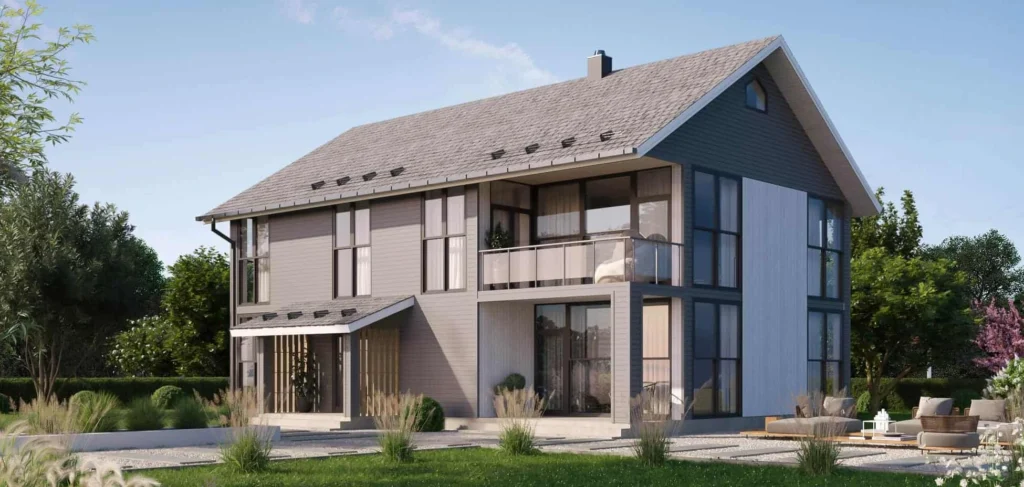
In recent years, prefabricated wooden houses have gained popularity as a sustainable and efficient alternative to traditional building methods. These houses are manufactured in a factory and assembled on-site, offering numerous benefits for homeowners. In this article, we will delve into the characteristics, comfort, advantages, and disadvantages of prefabricated wooden houses.
What is a Prefabricated Wooden House?
A prefabricated wooden house is a structure built using wooden components that are manufactured in a factory and assembled on-site. This approach offers several benefits, including reduced construction time, lower costs, and increased energy efficiency.
Characteristics of Prefabricated Wooden Houses
Prefabricated wooden houses are characterized by their natural, sustainable, and durable nature. The use of wood as a primary building material provides several advantages:
- Reduced Conductivity: Wood has a low thermal conductivity, making it an excellent insulator and reducing heat loss in the winter and heat gain in the summer.
- Breathability: Wood is a natural material that allows for airflow and moisture transfer, reducing the risk of mold and mildew growth.
- Aesthetic Appeal: Wooden houses can be designed to blend seamlessly with their surroundings, offering a unique and beautiful living space.
Comfort and Benefits
Prefabricated wooden houses offer numerous benefits for homeowners:
- Energy Efficiency: The use of wood as a primary building material ensures that the house is energy-efficient, reducing heating and cooling costs.
- Low Maintenance: Wooden houses require minimal maintenance, as they are resistant to rot, decay, and insect damage.
- Sustainability: Prefabricated wooden houses are an environmentally friendly option, using sustainable materials and minimizing waste.
Advantages of Prefabricated Wooden Houses
There are several advantages to prefabricated wooden houses:
- Speed of Construction: Prefabricated houses can be assembled quickly, reducing construction time and costs.
- Quality Control: Factory-manufactured components ensure high-quality construction, reducing the risk of errors and defects.
- Customization: Prefabricated houses can be designed to meet specific needs and preferences.
Disadvantages of Prefabricated Wooden Houses
While prefabricated wooden houses offer many benefits, there are also some disadvantages:
- Higher Upfront Costs: Prefabricated houses may have higher upfront costs compared to traditional building methods.
- Limited Flexibility: The use of pre-fabricated components can limit design flexibility and customization options.
- Quality Variability: While factory-manufactured components ensure high-quality construction, there is still a risk of variability in quality.
Prefabricated Wooden Houses for Expansion
Prefabricated wooden houses are not just limited to new constructions; they can also be used for expansion or renovation projects:
- Amplification of Existing Buildings: Prefabricated houses can be used to expand existing buildings, increasing living space and improving energy efficiency.
- Demo-Ricostruzione: Prefabricated houses can be used for demo-ricostruzione projects, allowing homeowners to quickly and efficiently demolish and rebuild their properties.
Fiscal Benefits
There are also fiscal benefits associated with prefabricated wooden houses:
- Detrazioni Fiscali: Homeowners may be eligible for fiscal deductions on the cost of prefabricated houses.
- IRPEF Deductions: Prefabricated houses can also qualify for IRPEF deductions, reducing tax liabilities.
Sustainable Materials
Prefabricated wooden houses are made from sustainable materials, including:
- Reclaimed Wood: Reclaimed wood is sourced from old buildings and structures, reducing waste and minimizing the environmental impact.
- Locally Sourced Wood: Locally sourced wood reduces transportation costs and emissions, promoting a more environmentally friendly approach to building.
- Sustainably Harvested Wood: Sustainably harvested wood is harvested in an environmentally responsible manner, ensuring that the forest ecosystem is protected.
Modular Construction
Prefabricated wooden houses can be built using modular construction techniques:
- Modular Units: Modular units are pre-fabricated components that are assembled on-site to form a complete house.
- Efficient Use of Space: Modular construction ensures efficient use of space, reducing the amount of materials needed and minimizing waste.
Benefits for Homeowners
There are several benefits for homeowners who choose prefabricated wooden houses:
- Energy Savings: Prefabricated wooden houses can help homeowners save energy by providing insulation and reducing heat loss.
- Low Maintenance: Wooden houses require minimal maintenance, as they are resistant to rot, decay, and insect damage.
- Increased Property Value: Prefabricated wooden houses can increase property value, making them an attractive option for homeowners looking to sell their properties.
Benefits for the Environment
Prefabricated wooden houses offer several benefits for the environment:
- Reduced Carbon Footprint: Prefabricated houses reduce the carbon footprint associated with traditional building methods.
- Sustainable Materials: The use of sustainable materials in prefabricated houses minimizes waste and reduces environmental impact.
- Energy Efficiency: Prefabricated wooden houses are designed to be energy-efficient, reducing heating and cooling costs.
Benefits for Communities
There are several benefits for communities that adopt prefabricated wooden houses:
- Increased Affordability: Prefabricated houses can increase affordability, making housing more accessible to low-income families.
- Improved Quality of Life: Wooden houses can improve the quality of life for homeowners and their families.
- Sustainable Development: The use of prefabricated wooden houses promotes sustainable development, reducing waste and minimizing environmental impact.
Conclusion
Prefabricated wooden houses offer a unique combination of sustainability, energy efficiency, and comfort. While there are some disadvantages to consider, the benefits of these houses far outweigh the drawbacks. Whether you’re looking to build a new home or expand an existing one, prefabricated wooden houses are an excellent choice for homeowners.
Frequently Asked Questions
Here are some frequently asked questions about prefabricated wooden houses:
- What is the lifespan of a prefabricated wooden house?
- Prefabricated wooden houses can last for decades with proper maintenance and care.
- Are prefabricated wooden houses energy-efficient?
- Yes, prefabricated wooden houses are designed to be energy-efficient, using sustainable materials and minimizing waste.
- Can I customize my prefabricated wooden house?
- Yes, you can customize your prefabricated wooden house to meet specific needs and preferences.
- Are prefabricated wooden houses more expensive than traditional building methods?
- While prefabricated wooden houses may have higher upfront costs, they can offer long-term savings on energy bills and maintenance.
- Can I use prefabricated wooden houses for demo-ricostruzione projects?
- Yes, prefabricated wooden houses can be used for demo-ricostruzione projects, allowing homeowners to quickly and efficiently demolish and rebuild their properties.
By understanding the characteristics, benefits, and disadvantages of prefabricated wooden houses, homeowners can make informed decisions about their building needs.


