
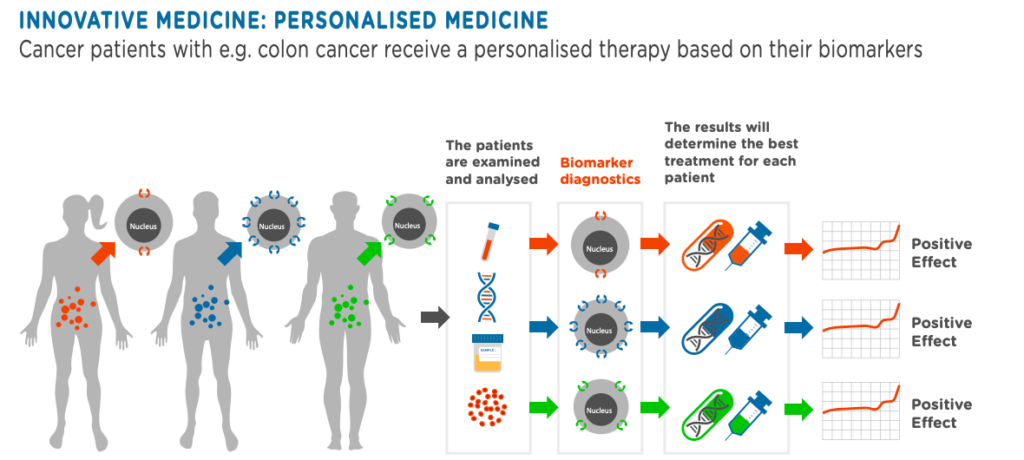
The term “precision medicine” is often misunderstood as a technique that uses advanced technology to perform surgeries or use lasers with high precision. However, it’s actually a revolutionary approach that aims to create personalized treatments tailored to each individual patient.
What is Precision Medicine?
In essence, precision medicine is about tailoring treatments to the unique needs of each patient, rather than treating them as part of a larger group. This means that the focus is on understanding the specific genetic profile and health conditions of each individual, and using that information to create highly personalized treatment plans.
The Rise of Precision Medicine in Oncology
One area where precision medicine has made significant strides is in cancer treatment. For years, researchers have been working on developing targeted therapies that can attack specific cancer cells while leaving healthy cells intact. This approach has led to the development of drugs such as trastuzumab, which was approved in 1998 for the treatment of breast cancer. Since then, numerous other targeted therapies have been developed, including those specifically designed to treat certain types of leukemia and lung cancer.
Precision Medicine Goes Beyond Oncology
However, precision medicine is not limited to cancer treatment alone. Recent advances have also led to the development of new treatments for conditions such as cystic fibrosis and epilepsy. These treatments are made possible by a deeper understanding of the underlying genetic mechanisms that drive these diseases. For example, patients with certain types of epilepsy may be able to benefit from medications that target specific genes or mutations associated with their condition.
The Importance of Genetic Testing
To develop precision medicine treatments, it’s essential to conduct extensive genetic testing on each patient. This involves analyzing their DNA to identify any genetic variations or mutations that may be contributing to their condition. By using this information, healthcare providers can create personalized treatment plans that take into account the unique characteristics of each individual.
Combining Genomics with Clinical Data
In addition to genetic testing, precision medicine also relies heavily on clinical data such as medical history and symptoms. This information is used in conjunction with genomic data to create a comprehensive picture of the patient’s overall health. By combining these two approaches, healthcare providers can develop more effective treatment plans that address the complex interplay between genetic and environmental factors.
The Role of Epigenetics
Epigenetics, which refers to the study of changes in gene expression that don’t involve changes to the underlying DNA sequence, also plays a critical role in precision medicine. By understanding how epigenetic mechanisms contribute to disease development, researchers can identify new targets for therapy and develop more effective treatment strategies.
The Future of Precision Medicine
While significant progress has been made in the field of precision medicine, there is still much work to be done. One major challenge facing this field is ensuring that genetic data is shared and accessible among healthcare providers. Additionally, there are concerns about privacy and ethics surrounding the collection and use of genetic information.
Challenges and Limitations
Despite the progress made in precision medicine, there are several challenges and limitations that need to be addressed. These include:
- Data standardization: Ensuring that data is standardized and consistent across different healthcare providers and institutions can be a significant challenge.
- Genetic testing costs: The cost of genetic testing can be prohibitively expensive for some patients, limiting access to this type of treatment.
- Patient education: Educating patients about the benefits and limitations of precision medicine can be challenging, particularly if they have limited health literacy.
Overcoming Challenges
To overcome these challenges, it’s essential to develop new technologies and strategies that can improve data standardization, reduce costs, and enhance patient education. Some potential solutions include:
- Developing standardized genetic testing protocols: Establishing standardized protocols for genetic testing can help ensure that data is consistent across different healthcare providers.
- Reducing costs through innovative financing models: Developing innovative financing models, such as pay-for-performance or value-based care, can help reduce the cost of genetic testing and make it more accessible to patients.
- Using digital platforms for patient education: Utilizing digital platforms, such as mobile apps or online portals, can provide patients with easy access to information about precision medicine and help them better understand their diagnosis and treatment options.
Conclusion
Precision medicine holds great promise for transforming the way we approach healthcare. By tailoring treatments to individual patients based on their unique genetic profiles and health conditions, we can improve treatment outcomes and increase patient satisfaction. As this field continues to evolve, it’s essential that we address the challenges associated with its development and implementation while leveraging its potential to improve patient outcomes and satisfaction.
Frequently Asked Questions
- What is precision medicine?
Precision medicine is a revolutionary approach to healthcare that aims to create personalized treatments tailored to each individual patient based on their unique genetic profiles and health conditions.
- How does precision medicine work in cancer treatment?
In cancer treatment, precision medicine involves using targeted therapies that can attack specific cancer cells while leaving healthy cells intact. This approach has led to the development of numerous effective treatments for various types of cancer.
- What role do genetics play in precision medicine?
Genetics plays a critical role in precision medicine by identifying genetic variations or mutations associated with certain diseases and developing targeted therapies that can address these underlying mechanisms.
- How is epigenetics used in precision medicine?
Epigenetics refers to the study of changes in gene expression that don’t involve changes to the underlying DNA sequence. By understanding how epigenetic mechanisms contribute to disease development, researchers can identify new targets for therapy and develop more effective treatment strategies.
- What are some examples of precision medicine treatments?
Examples of precision medicine treatments include targeted therapies for certain types of cancer, such as trastuzumab for breast cancer, as well as medications specifically designed to treat conditions like cystic fibrosis and epilepsy.
- Can precision medicine be used for non-cancerous diseases?
Yes, precision medicine can also be applied to the treatment of non-cancerous diseases, such as cystic fibrosis and epilepsy, where genetic testing and targeted therapies can help improve patient outcomes.
- How does precision medicine address privacy and ethics concerns?
To address privacy and ethics concerns surrounding the collection and use of genetic information, healthcare providers are working to establish secure data storage systems and ensure that patients have control over their own genetic data.
- What is the future of precision medicine in healthcare?
The future of precision medicine in healthcare holds great promise for transforming the way we approach treatment. As this field continues to evolve, it’s essential that we address challenges associated with its development and implementation while leveraging its potential to improve patient outcomes and satisfaction.


