
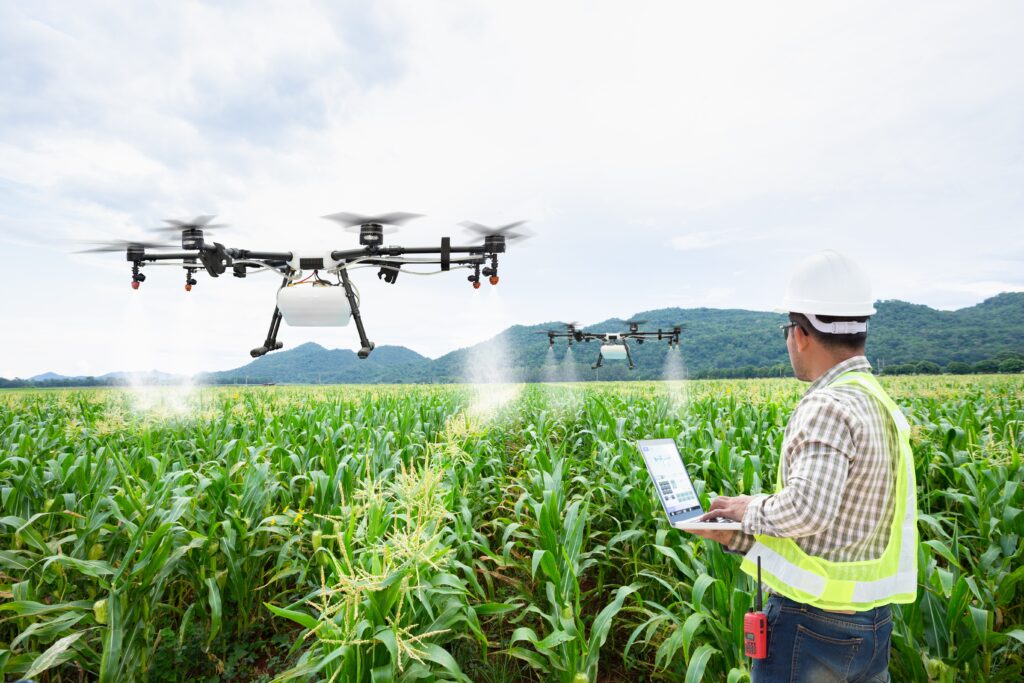
What is Precision Agriculture?
Precision agriculture is a strategic management approach that involves the use of advanced technologies and laboratory analysis to execute targeted interventions in agricultural practices. The primary goal of precision agriculture is to optimize crop production while minimizing unnecessary inputs, such as fertilizers, seeds, and water.
In conventional agriculture, farmers typically apply large quantities of fertilizers and pesticides based on general guidelines or historical data. However, this approach often leads to over-fertilization, waste, and environmental degradation. Precision agriculture aims to reverse this trend by adopting a more tailored approach that takes into account the specific needs of each crop, soil type, and environmental condition.
One of the key principles of precision agriculture is the use of advanced technologies, such as GPS receivers, drones, and sensors, to collect data on soil conditions, crop health, and weather patterns. This data is then used to create detailed maps of the field, which serve as a guide for farmers to apply targeted interventions.
Precision Agriculture Techniques
Some common techniques used in precision agriculture include:
- GPS Receivers: GPS receivers are used to manage farm machinery, such as combine harvesters and seed spreaders. These systems provide accurate guidance and precision dosing of fertilizers and seeds.
- Soil Sampling: Soil sampling involves collecting and analyzing soil samples to determine their nutrient content, pH levels, and other properties. This information is then used to create detailed maps of the field’s soil conditions.
- Field Data: Field data refers to the collection of information on crop growth, soil moisture, temperature, and other environmental factors. This data is used to optimize crop management decisions and minimize waste.
- Dosing Machines: Dosing machines are precision devices that apply the exact amount of fertilizer or pesticide required for a specific crop. These machines use sensors and GPS technology to ensure accurate dosing.
- Aerial Mapping Using Drones: Aerial mapping using drones involves collecting high-resolution images of the field from the air. This data is then used to create detailed maps of the field’s topography, soil conditions, and crop health.
Guided Assistance and Variable Dosing
Guided assistance and variable dosing are key concepts in precision agriculture. These techniques involve using advanced technologies to provide farmers with real-time guidance on optimal management decisions.
For example, a farmer may use a GPS-guided system to apply fertilizer to specific areas of the field. The system uses sensors and satellite imagery to determine the exact amount of fertilizer required for each area, taking into account factors such as soil type, crop growth, and weather patterns.
How Precision Agriculture Works
Precision agriculture works by using advanced technologies and laboratory analysis to estimate the exact quantities of nutrients needed for specific crops. This approach involves several steps:
- Data Collection: Advanced technologies, such as GPS receivers, drones, and sensors, are used to collect data on soil conditions, crop health, and environmental factors.
- Analysis: The collected data is then analyzed using laboratory techniques, such as chromatography and spectroscopy, to determine the nutrient content of the soil and crop growth.
- Map Creation: Detailed maps of the field’s soil conditions and crop health are created based on the analysis results.
- Guided Assistance: Farmers use GPS-guided systems to apply targeted interventions, such as fertilizers or pesticides, to specific areas of the field.
- Real-Time Monitoring: The system continuously monitors the crop growth and environmental conditions in real-time, allowing farmers to adjust their management decisions accordingly.
Benefits of Precision Agriculture
Precision agriculture offers several benefits over conventional farming methods, including:
- Increased Crop Yields: By optimizing fertilizer applications and reducing waste, precision agriculture can lead to significant increases in crop yields.
- Reduced Waste: Precision agriculture minimizes the use of unnecessary inputs, such as fertilizers and pesticides, resulting in reduced waste and environmental degradation.
- Lower Production Costs: By optimizing management decisions, farmers can reduce their production costs, including fuel consumption, equipment usage, and labor costs.
- Improved Environmental Sustainability: Precision agriculture promotes sustainable agricultural practices by reducing the use of chemical inputs and promoting soil conservation.
Frequently Asked Questions
- How does precision agriculture work?
Precision agriculture uses advanced technologies and laboratory analysis to estimate the exact quantities of nutrients needed for specific crops. - What are some common techniques used in precision agriculture?
Common techniques include GPS receivers, soil sampling, field data, dosing machines, and aerial mapping using drones. - Can I use precision agriculture on small plots of land?
Yes, precision agriculture can be applied to any plot of land, regardless of size. - How much does it cost to implement precision agriculture?
The cost of implementing precision agriculture varies depending on the specific techniques used and the scale of the operation. - What are some potential benefits of using precision agriculture?
Potential benefits include increased crop yields, reduced waste, lower production costs, and improved environmental sustainability.
Conclusion
Precision agriculture is a strategic management approach that aims to optimize crop production while minimizing unnecessary inputs. By leveraging advanced technologies and laboratory analysis, farmers can make informed decisions about fertilizer applications, pest control, and irrigation management. The techniques used in precision agriculture, such as GPS receivers, soil sampling, and dosing machines, provide farmers with real-time guidance on optimal management decisions.
While the initial investment in precision agriculture may be higher than traditional farming methods, the long-term benefits of increased crop yields, reduced waste, and lower production costs can lead to significant cost savings for farmers. As the global population continues to grow, precision agriculture will play an increasingly important role in ensuring food security while minimizing environmental degradation.


