
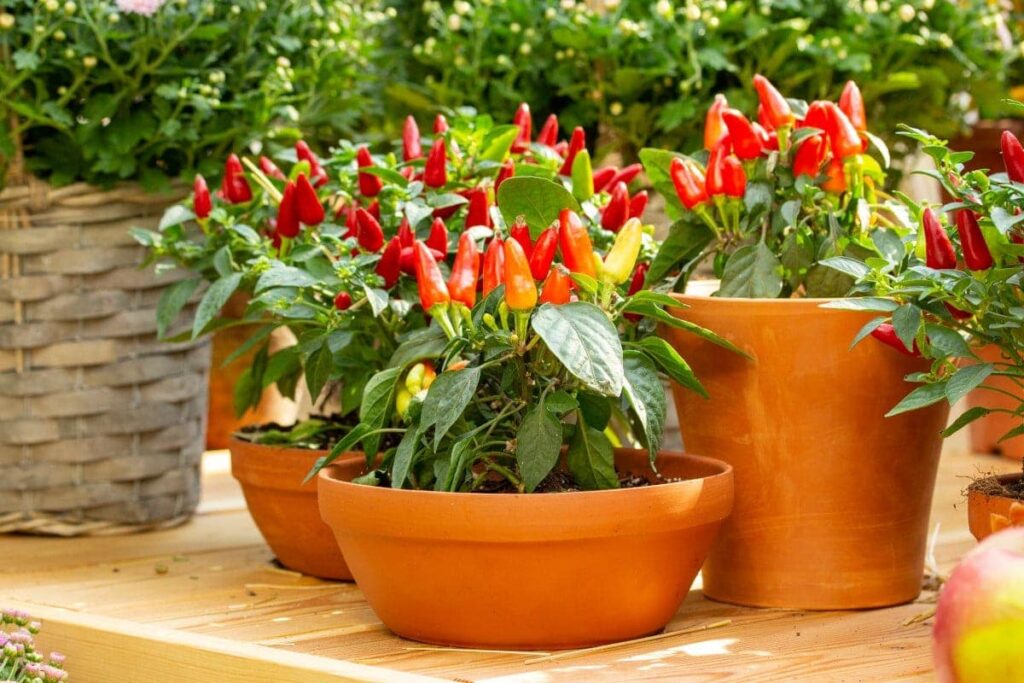
As an avid gardener, you’re probably no stranger to the challenges of cultivating plants in small spaces. One popular solution is growing peperonies in vases, a technique that’s both space-efficient and rewarding. In this article, we’ll delve into the best practices for growing peperonies in vases, from choosing the right containers to providing optimal care.
Choosing the Right Container
When it comes to growing peperonies in vases, the type of container you choose can make all the difference. Terracotta pots are still a popular choice due to their ability to maintain consistent moisture levels. However, if you’re looking for a more low-maintenance option that won’t weigh down your balcony, consider using bioplastic containers instead.
Bioplastics are made from renewable resources such as corn starch or sugarcane, and they have several advantages over traditional terracotta pots. They are lighter, non-toxic, and require less maintenance. Additionally, bioplastics can help to regulate the soil temperature, which is essential for optimal plant growth.
Another option to consider is using self-watering planters. These containers have a built-in water reservoir that allows plants to draw water as needed, reducing the risk of overwatering. Self-watering planters are perfect for busy gardeners who don’t want to constantly check on their plants.
Soil Requirements
For optimal growth, peperonies in vases require well-draining soil that’s neither too dense nor too loose. To achieve this, it’s essential to mix together the right combination of ingredients. A good starting point is a blend of acid-rich soil, perlite, expanded clay, and sand.
Here are some specific ratios you can use:
- Acid-rich soil: 40%
- Perlite: 20%
- Expanded clay: 15%
- Sand: 25%
By mixing these ingredients together, you’ll create a well-draining potting mix that will provide optimal support for your peperonies.
Selecting the Right Vase Size
The size of your vase will depend on the type of peperoni you’re growing. For varieties with longer, thinner fruits like ‘Corno di Toro Rosso’ or ‘Lungo Marconi’, choose a larger container to accommodate their growth. On the other hand, smaller varietals like ‘Acuminatum’ and ‘Abbreviatum’ can thrive in even the most compact spaces.
Here are some general guidelines for choosing the right vase size:
- For small varietals (less than 10 cm long), use a vase with a diameter of at least 15-20 cm.
- For medium-sized varietals (10-20 cm long), use a vase with a diameter of at least 25-30 cm.
- For large varietals (over 20 cm long), use a vase with a diameter of at least 35-40 cm.
Growing Peperonies from Seeds
To get started, you’ll need a few basic materials:
- A vase with water
- A container alveolato (a specialized pot with holes for drainage)
- Terriccio per semina (seed-starting mix)
- Semi peperonieri
When sowing seeds, make sure to plant them during the lunar crescent phase. Germination typically occurs between 15°C and 20°C, and it’s essential to avoid overwatering. Use a vaporizer to maintain humidity until the seedlings emerge.
It’s also important to note that peperonies grown from seeds can take up to 3-4 months to produce fruit, depending on factors like weather conditions and the specific variety. To speed up the process, you can try using a cold frame or greenhouse to provide optimal growing conditions.
Transferring Piantine
Once your seedlings have developed their first set of leaves (typically around 4-6), it’s time to transfer them into a larger pot or vase. To prevent root rot, choose a container that allows for good air circulation and avoid using any sort of siphon pot.
When transplanting your piantine, make sure to handle the roots gently and avoid disturbing the soil as much as possible. You can also try using a rooting hormone to promote healthy root growth.
Optimizing Care
As the weather warms up, you can begin to move your piantine outdoors. However, be cautious not to expose them to extreme temperatures. When the minimum nighttime temperature drops below 20°C, it’s safe to transfer the plants outside permanently. To promote healthy growth and encourage flowering, start applying fertilizers with a high phosphorus content around this time.
Here are some additional tips for optimizing care:
- Water your peperonies regularly, but avoid overwatering.
- Provide adequate sunlight (at least 6 hours of direct sunlight per day).
- Maintain a consistent temperature between 15°C and 25°C.
- Fertilize your plants with a balanced fertilizer during the growing season.
Common Challenges and Solutions
Growing peperonies in vases can be challenging, but there are several common issues that you may encounter. Here are some solutions to help you overcome these challenges:
- Pests: Keep an eye out for aphids, whiteflies, and spider mites, which can cause damage to the leaves and fruits.
- Root rot: Avoid overwatering and provide good air circulation to prevent root rot.
- Diseases: Regularly inspect your plants for signs of disease such as yellowing leaves or black spots.
Conclusion
Growing peperonies in vases is a rewarding and space-efficient way to enjoy these delicious fruits all year round. By following the tips outlined above, you can create the perfect conditions for your plants to thrive. Whether you’re a seasoned gardener or just starting out, growing peperonies in vases is an excellent choice for anyone looking to add some greenery to their space.
Frequently Asked Questions
Q: What type of container is best for growing peperonies in vases?
A: Terracotta pots or bioplastic containers are ideal due to their ability to maintain consistent moisture levels.
Q: How often should I water my peperoni in vase?
A: Avoid overwatering, and use a vaporizer to maintain humidity until the seedlings emerge.
Q: Can I grow peperonies indoors year-round?
A: Yes, but ensure good air circulation and avoid extreme temperatures.
Q: When can I transfer my piantine outside permanently?
A: Wait until the minimum nighttime temperature drops below 20°C.
Q: How often should I fertilize my peperoni in vase?
A: Start applying phosphorus-rich fertilizers around 4-6 leaf development to promote healthy growth and flowering.
Q: What are some common pests that can affect peperonies in vases?
A: Keep an eye out for aphids, whiteflies, and spider mites, which can cause damage to the leaves and fruits.
Q: How can I prevent root rot when transplanting my piantine?
A: Choose a container with good air circulation and avoid using any sort of siphon pot.


