
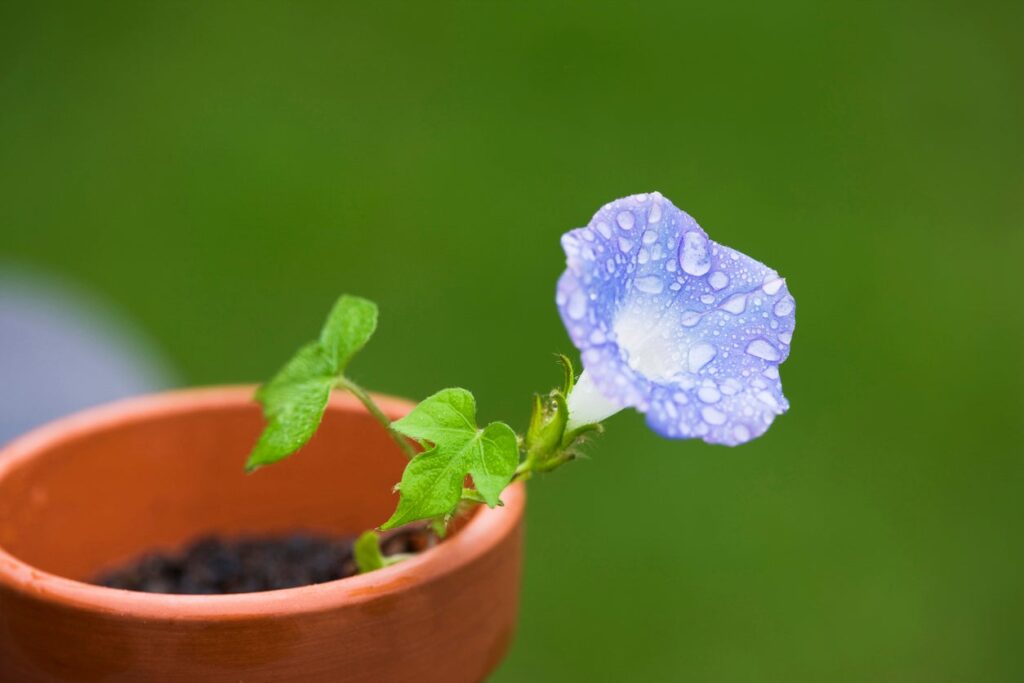
Growing and Caring for Ipomoea in Vase: A Beginner’s Guide
Introduction
Ipomoea is a beautiful flowering plant that can bring great satisfaction even when grown in a terrazza or balcony. With over 500 species, ipomoea offers a wide range of options for gardeners. In this article, we will focus on how to grow and care for ipomoea in a vase, including the most suitable species and necessary care.
What is Ipomoea?
Ipomoea is a member of the Convolvulaceae family and comes in various shapes and sizes. The plant has approximately 500 species, ranging from perennial to annual plants, shrub-like to tree-like, and succulent varieties.
Choosing the Right Species for Vase Growing
When growing ipomoea in a vase, it’s essential to choose the right species. We recommend three species that are well-suited for vase growing:
- Ipomea purpurea: This annual plant has heart-shaped leaves and produces purple-violaceous flowers with a light central part.
- Ipomoea indica: This perennial plant is widely distributed in southern Italy and produces blue flowers. It’s an excellent option for those looking for a low-maintenance, flowering plant.
- Ipomoea coccinea: This annual plant can grow up to 5 meters in length and produces scarlet flowers with a yellow throat.
Preparing the Vase and Plant
To prepare the vase and plant for growing ipomoea:
- Choose a planter with a metal support, such as a net with 10 cm mesh.
- Fill the pot with a soil mixture composed of universal soil, garden soil, and sandy soil to favor drainage.
- Place two pieces of ceramic near the drainage holes to prevent argilla expanded layers from depriving the roots of soil and space.
Planting and Caring for Ipomoea in Vase
To plant ipomoea in a vase:
- Respect an 18 cm distance between each plant when repotting.
- Add more soil to the pot until leaving only two cm from the upper edge of the pot.
- Provide constant irrigation, summer conciminations at periodic intervals (every 15 days with liquid fertilizer for flowering plants), and sun exposure (full sun or partially shaded areas).
Ipomoea Not Flowering
If your ipomoea plant doesn’t flower:
- Check if the plant has recently been repotted. This may be a sign of adaptation to the new soil.
- Ensure that the plant receives enough light, as it prefers full sun but can tolerate partial shade.
Common Mistakes in Ipomoea Vase Growing
Some common mistakes gardeners make when growing ipomoea in a vase include:
- Not providing enough light: Ipomoea plants require full sun to partially shaded areas.
- Not watering properly: Constant irrigation and conciminations at periodic intervals are necessary for the plant’s growth.
- Not fertilizing regularly: Fertilization should be done every 15 days with liquid fertilizer during summer months.
Propagation and Reproduction of Ipomoea
Ipomoea can be propagated using its seeds or pre-existing plants. To start a new ipomoea plant from seed:
- Obtain the desired species’ seeds from online trading platforms, flower fairs, or garden centers.
- Plant the seeds in a well-draining soil mixture and keep them warm and humid until germination occurs.
Conclusion
Growing and caring for ipomoea in a vase requires attention to detail and the right species selection. By following this guide, you’ll be able to enjoy beautiful flowers from your favorite flowering plants.
Frequently Asked Questions (FAQs)
Q: What is the best way to care for an Ipomoea plant?
A: Provide constant irrigation, summer conciminations at periodic intervals, and sun exposure (full sun or partially shaded areas).
Q: Why won’t my Ipomoea plant flower?
A: Check if the plant has recently been repotted. Also, ensure that the plant receives enough light.
Q: How do I propagate an Ipomoea plant?
A: You can start with a pre-existing plant or its seeds. Purchase seeds from online trading platforms like Amazon or visit flower fairs and garden centers.
Q: What types of soil should be used for growing an Ipomoea plant?
A: Use a mixture composed of universal soil, garden soil, and sandy soil to favor drainage.
Q: Can I grow an Ipomoea plant in a shaded area?
A: Yes. However, the plant prefers full sun, so ensure that it receives partial shade if possible.
Q: How often should I fertilize my Ipomoea plant?
A: Fertilization should be done at periodic intervals (every 15 days with liquid fertilizer for flowering plants) during the summer months.
Q: What is the lifespan of an Ipomoea plant?
A: The lifespan varies depending on the species. Some annual varieties may have a shorter lifespan, while perennial varieties can last longer.
Troubleshooting Common Issues
If you encounter any issues with your ipomoea plant, here are some troubleshooting tips:
- No growth: Check if the plant is receiving enough light and water.
- Leaf discoloration: Ensure that the plant is not overwatered or under-watered.
- Pests: Inspect the plant regularly for pests like spider mites, mealybugs, or aphids.
Conclusion
Growing and caring for ipomoea in a vase can be a rewarding experience. By understanding the needs of this beautiful flowering plant, you’ll be able to enjoy its beauty for years to come.


