
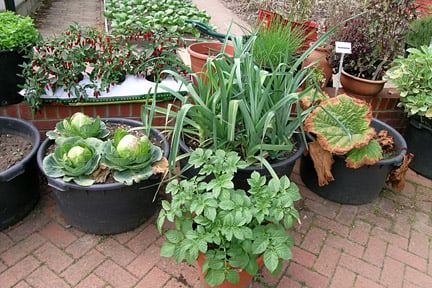
Introduction
As we search for ways to bring some greenery into our homes and outdoor spaces, container gardening has become increasingly popular. One of the most versatile and rewarding forms of container gardening is growing an herb garden in a container. Not only do herbs add flavor and fragrance to our cooking, but they also provide a beautiful and low-maintenance addition to any room.
The Benefits of Container Herb Gardening
Growing an herb garden in a container offers several benefits over traditional gardening methods. For one, it allows us to have control over the amount of space we dedicate to our herbs, making it perfect for small spaces like balconies, patios, and even indoor apartments. Additionally, containers can be easily moved to different locations, allowing us to tailor the placement of our herbs to suit our needs.
From a practical perspective, container herb gardening also eliminates the need for extensive soil preparation and weeding, making it a much more manageable task than traditional gardening. And let’s not forget about the aesthetics – a well-designed container herb garden can be a stunning addition to any room, providing a burst of color and fragrance that will delight both the senses.
Choosing the Right Container
When it comes to choosing a container for our herb garden, there are several factors to consider. First and foremost, we need to select a container that is large enough to accommodate the mature size of our herbs. A general rule of thumb is to choose a container that is at least 6-8 inches deep and has good drainage holes in the bottom.
We should also select containers made from materials like plastic, ceramic, or terracotta, which allow for good air circulation and prevent waterlogging. And finally, we need to consider the color and style of our container – a bold, bright color can add visual interest to our space, while a more muted tone will provide a subtle backdrop for our herbs.
Selecting the Right Herbs
While it’s tempting to choose a variety of herbs to plant in our container garden, there are some that do better than others. For one, we need to select herbs that thrive in containers and have a compact growth habit. Some popular options include basil, mint, rosemary, thyme, and oregano.
However, we can also experiment with less common herbs like finocchio selvatico, borragine, camomilla, melissa, e cerfoglio – which add unique flavors and aromas to our cooking. And if we’re feeling adventurous, we can even try growing some unusual herbs like lemongrass or kaffir lime leaves.
Understanding the Needs of Different Herbs
Before selecting herbs for our container garden, it’s essential to understand their specific needs. For example:
- Basil: Prefers well-draining soil and full sun (at least 4-6 hours of direct sunlight per day).
- Mint: Can tolerate partial shade but requires regular watering and pruning to prevent overgrowth.
- Rosemary: Prefers well-draining soil and full sun, but can be sensitive to frost.
- Thyme: Can thrive in containers with good drainage and partial shade.
Starting from Seeds or Pots
Whether we start with seeds or potted plants, there are several considerations to keep in mind when planning our container herb garden. If we choose to plant seeds, we need to select a variety that is specifically bred for container gardening and provide them with adequate light and warmth.
On the other hand, if we prefer to start with pots, we can opt for young potted plants that are already established and have developed a strong root system. Either way, it’s essential to choose a potting mix that is designed specifically for containers and drains well to prevent waterlogging.
Caring for Our Container Herb Garden
To keep our container herb garden thriving, we need to provide regular care and maintenance. This includes watering, fertilizing, and pruning – all of which can be accomplished with ease using a few simple tools.
When it comes to watering, it’s essential to avoid overwatering, which can lead to root rot and other problems. Instead, we should aim to provide our herbs with adequate moisture but not so much that the soil becomes waterlogged. We can also use a well-draining potting mix to prevent this from happening.
As for fertilizing, we can opt for a balanced fertilizer or use compost tea to provide our herbs with essential nutrients. And when it comes to pruning, we should aim to trim back any leggy growth and encourage bushy, compact shapes – all of which will help promote healthy growth and maximize yields.
Tips and Tricks
Here are some additional tips and tricks for growing a successful container herb garden:
- Use a trellis or cage: For herbs like mint or lemongrass that can grow quite tall, consider using a trellis or cage to provide support and keep them contained.
- Add a layer of mulch: Mulching helps retain moisture, suppress weeds, and regulate soil temperature.
- Keep it clean: Regularly clean your containers and utensils to prevent the spread of disease.
- Monitor for pests: Check our herbs regularly for signs of pests or diseases, such as aphids, whiteflies, or fungal infections.
Common Mistakes to Avoid
When growing a container herb garden, there are several common mistakes to avoid:
- Overwatering: This is one of the most frequent mistakes made when growing herbs in containers. Make sure to check the soil regularly and water only when necessary.
- Underfertilizing: Herbs require essential nutrients to thrive. Avoid underfertilizing, which can lead to weak growth and poor yields.
- Lack of sunlight: Many herbs require full sun to partial shade to grow well. Make sure to provide your herbs with the right amount of light.
Conclusion
Growing an herb garden in a container can be a rewarding and enjoyable hobby that provides us with fresh flavors, fragrances, and visual interest. By choosing the right container, selecting the right herbs, understanding their needs, and providing regular care and maintenance, we can create a thriving and sustainable container herb garden that brings joy and satisfaction to our lives.
Frequently Asked Questions
- Q: What type of soil should I use for my container herb garden?
A: We recommend using a well-draining potting mix specifically designed for containers. This will help prevent waterlogging and ensure healthy growth. - Q: How often should I water my herbs?
A: We should aim to provide our herbs with adequate moisture, but avoid overwatering. A general rule of thumb is to check the soil daily and water only when it feels dry to the touch. - Q: Can I grow any herb in a container?
A: While many herbs can be grown in containers, some are better suited than others. We recommend choosing compact, bushy varieties like basil, mint, and rosemary for optimal results. - Q: How do I fertilize my herbs?
A: We can use a balanced fertilizer or compost tea to provide our herbs with essential nutrients. It’s also essential to avoid overfertilizing, which can lead to weak growth and poor yields. - Q: Can I grow herbs in the shade?
A: While many herbs prefer full sun, some varieties can tolerate partial shade. We recommend choosing herbs like mint, oregano, and thyme for optimal results in shaded conditions.
By following these guidelines and tips, we can create a thriving container herb garden that provides us with fresh flavors, fragrances, and visual interest – all while enjoying the many benefits of gardening!


