
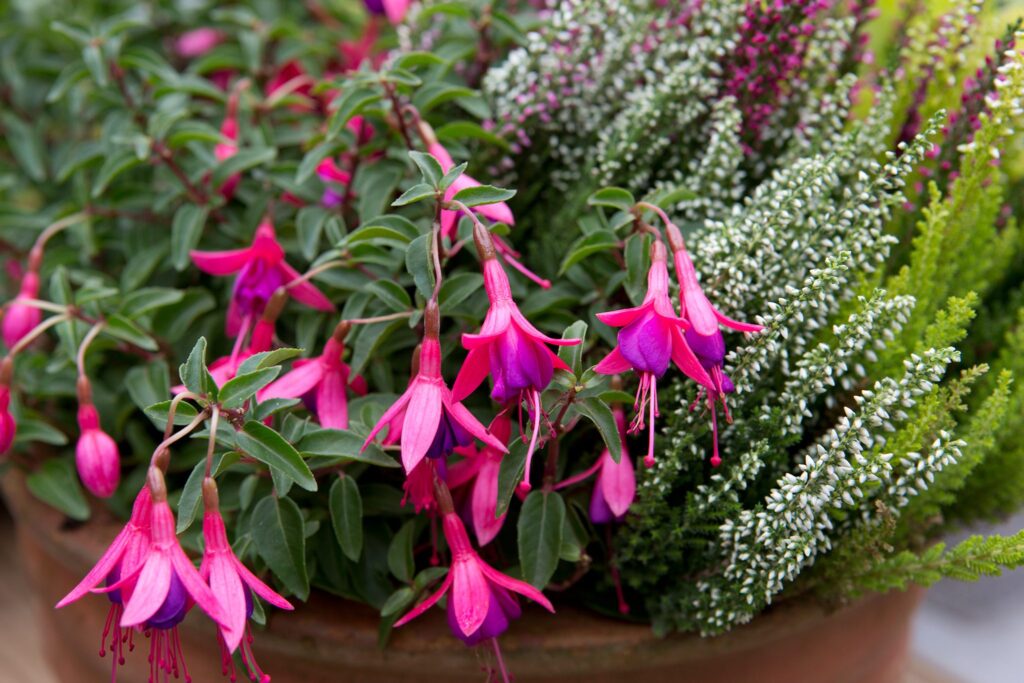
As a plant enthusiast, you’re likely familiar with the vibrant colors and delicate appearance of fuchsia plants. But did you know that these stunning blooms can be grown indoors, and with the right care, they’ll thrive? In this article, we’ll delve into the world of fuchsia cultivation, covering everything from selecting the perfect species to providing optimal growing conditions.
What is Fuchsia?
Fuchsia is a flowering plant native to the tropical regions of America Latina. With over 100 species and countless hybrids, fuchsias are renowned for their stunning flowers that come in a variety of colors, including pink, purple, blue, and white.
Fuchsia plants are popular among gardeners and indoor plant enthusiasts due to their unique appearance, relatively low maintenance requirements, and ability to thrive in a range of environments. Whether you’re a seasoned horticulturist or just starting your plant journey, fuchsia is an excellent choice for adding a touch of elegance and sophistication to your space.
Choosing the Right Species
When selecting a fuchsia species or hybrid, consider factors such as climate, soil quality, and desired bloom period. Some popular varieties include:
- Fuchsia magellanica: A classic choice for its vibrant flowers and relatively long blooming period (July to October).
- Fuchsia fulgens: Another popular variety that starts producing flowers in September and continues until the first frost.
- Fuchsia lycioides: Known for its delicate, pastel-colored blooms and compact growth habit.
When choosing a species or hybrid, it’s essential to consider the specific needs of each plant. For example, Fuchsia magellanica is relatively heat-tolerant but may require more frequent watering in warmer climates.
Growing Fuchsia in Vase
With proper care, fuchsias can be grown successfully in vases. Here are some essential tips:
- Lighting: Place your vase in a spot with partial shade to prevent scorching.
- Watering: Water sparingly, as overwatering can lead to root rot and other issues.
- Humidity: Maintain a humid environment by placing the vase on a tray filled with water and pebbles.
To keep your fuchsia plant thriving in a vase, it’s essential to provide optimal growing conditions. This includes maintaining a consistent temperature, ensuring proper watering, and providing adequate humidity.
Caring for Your Fuchsia Plant
To ensure your fuchsia plant thrives:
- Fertilization: Feed your plant with a balanced fertilizer during the growing season (spring-fall).
- Pruning: Prune your fuchsia regularly to maintain its shape and encourage blooming.
- Potting Mix: Use a well-draining potting mix specifically designed for cacti and succulents.
Regular pruning is crucial in maintaining the health and appearance of your fuchsia plant. By removing dead or damaged branches, you’ll promote new growth and encourage more blooms.
Tips for Creating a Stunning Fuchsia Display
To create a breathtaking display with your fuchsia plants:
- Vase Selection: Choose a vase that complements the plant’s size and shape.
- Container Choice: Select containers with good drainage, such as terracotta pots or hanging baskets.
- Foliage Management: Trim back overgrown branches to maintain the plant’s appearance.
When creating a stunning display, it’s essential to consider the overall aesthetic you want to achieve. Choose a vase that complements the size and shape of your fuchsia plants, and select containers with good drainage to prevent waterlogged soil.
Common Fuchsia Problems and Solutions
Here are some common issues you may encounter when growing fuchsias:
- Yellowing Leaves: Overwatering or underwatering can cause yellowing leaves. Adjust your watering schedule accordingly.
- Pests: Check for pests like aphids, whiteflies, and spider mites by inspecting the plant regularly.
To address common problems, it’s essential to stay vigilant and monitor your fuchsia plants closely. Regularly inspect your plants for signs of pests or disease, and take prompt action if necessary.
Conclusion
Growing a thriving fuchsia plant requires attention to detail and proper care. By selecting the right species, providing optimal growing conditions, and following these expert tips, you’ll be on your way to creating a stunning display of vibrant flowers. Happy planting!
FAQs
- What is the best time to fertilize my fuchsia plant?
- How often should I water my fuchsia plant in vase?
- Can I grow fuchsias outdoors year-round?
- What is the ideal temperature range for growing fuchsias?
- Can I propagate fuchsia plants through division or cuttings?
By understanding these essential questions, you’ll be better equipped to provide your fuchsia plants with the care they need to thrive.
Tips for Repotting Your Fuchsia Plant
Repotting is an essential aspect of maintaining a healthy and thriving fuchsia plant. Here are some expert tips:
- Choose the Right Time: Spring or fall are ideal times to repot your fuchsia, as the plant is actively growing during these seasons.
- Select a Well-Draining Potting Mix: Use a potting mix specifically designed for cacti and succulents, as it will provide optimal drainage and prevent waterlogged soil.
When repotting your fuchsia plant, it’s essential to choose the right time. Spring or fall are ideal times, as the plant is actively growing during these seasons.
Common Fuchsia Pests and Diseases
Here are some common pests and diseases that can affect fuchsia plants:
- Aphids: These tiny insects feed on sap, causing curled or distorted leaves.
- Whiteflies: These pesky insects can transmit plant viruses and cause stunted growth.
To address common pests and diseases, it’s essential to stay vigilant and monitor your fuchsia plants closely. Regularly inspect your plants for signs of pests or disease, and take prompt action if necessary.
Conclusion
Growing a thriving fuchsia plant requires attention to detail and proper care. By selecting the right species, providing optimal growing conditions, and following these expert tips, you’ll be on your way to creating a stunning display of vibrant flowers. Happy planting!
Additional Resources
- Fuchsia Plant Care Guide: A comprehensive guide covering everything from selecting the perfect species to providing optimal growing conditions.
- Fuchsia Plant Propagation Techniques: A step-by-step guide to propagating fuchsia plants through division or cuttings.
- Fuchsia Plant Pest and Disease Management: Tips for identifying and addressing common pests and diseases that can affect fuchsia plants.
By taking advantage of these additional resources, you’ll be better equipped to provide your fuchsia plants with the care they need to thrive.


