
Introduction
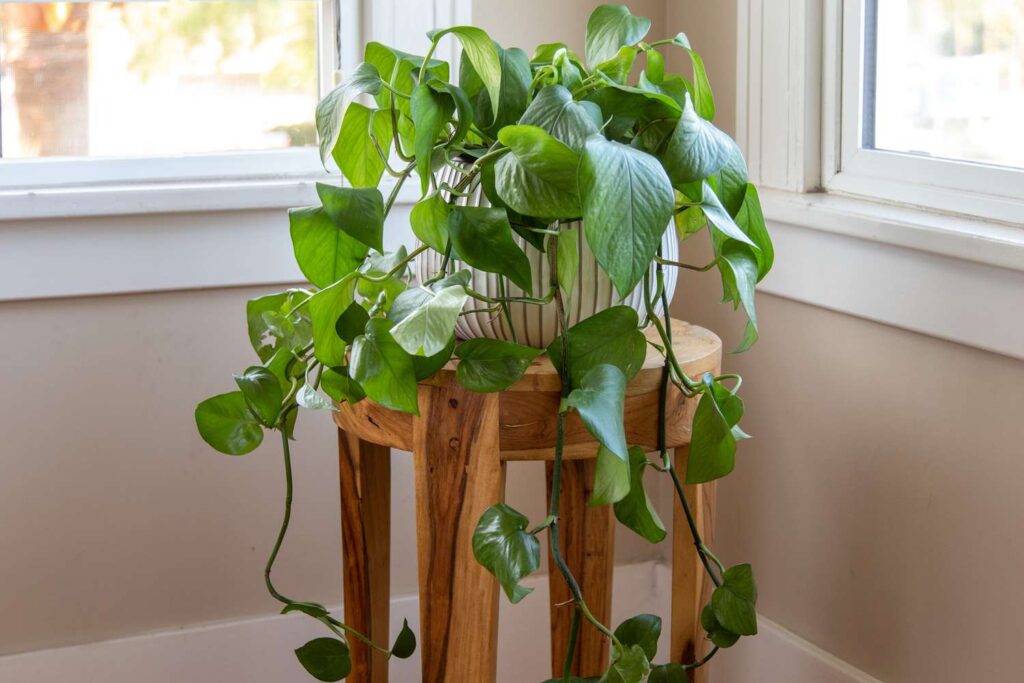
If you’re a plant enthusiast, chances are you’ve heard of the Pothos (Scindapsus) plant. This versatile and low-maintenance plant has become a staple in many homes and offices. However, with so much information available, it can be overwhelming to know where to start. In this article, we’ll delve into the world of Pothos plants, covering everything from their characteristics to care, propagation, and pest control.
The Characteristics of Pothos Plants
Pothos plants are part of the Scindapsus genus, which includes many species of evergreen vines. These plants can grow up to six meters in length and have leaves with variegated patterns, making them a popular choice for decorative purposes. With their ability to thrive in various environments, it’s no wonder Pothos plants have become a favorite among plant enthusiasts.
Pothos Plants in Water
While Pothos plants are often associated with soil-based cultivation, they can also be grown in water. In fact, this method allows the roots to absorb nutrients and oxygen more efficiently. To keep your Pothos plant thriving in water, make sure to:
- Provide adequate lighting
- Maintain a consistent temperature between 18-24°C (64-75°F)
- Avoid direct sunlight, which can cause algae growth
Watering Techniques for Pothos Plants
Proper watering is essential for the health and well-being of your Pothos plant. Here are some techniques to keep in mind:
- Water thoroughly: Water your Pothos plant until the water drains out of the bottom of the pot.
- Check the moisture level: Stick your finger into the soil up to the first knuckle, and if the soil feels dry, it’s time to water.
- Avoid overwatering: Don’t waterlog the soil, as this can lead to root rot.
Caring for Pothos Plants
Pothos plants are known for their ease of care and ability to adapt to various environments. Here are some tips to help you keep your plant healthy:
- Watering: Allow the top inch of soil to dry out between waterings. Overwatering can lead to root rot, so be cautious.
- Lighting: Pothos plants prefer bright, indirect light but can tolerate low light conditions. Avoid direct sunlight, which can cause leaf scorch.
- Temperature: Keep your plant in a room with a consistent temperature between 18-24°C (64-75°F).
- Fertilization: Feed your Pothos plant with a balanced fertilizer once a month.
Pest Control Methods for Pothos Plants
Pothos plants can be susceptible to various pests, including:
- Aphids
- Whiteflies
- Spider mites
- Mealybugs
To control pests, use integrated pest management techniques, such as:
- Inspecting your plant regularly for signs of infestation.
- Using neem oil or insecticidal soap to treat infestations.
- Pruning infected areas to prevent the spread of disease.
Common Problems with Pothos Plants
While Pothos plants are generally easy to care for, they can be susceptible to certain problems. Here are some common issues and their solutions:
- Yellow leaves: Yellow leaves on your Pothos plant can be caused by various factors, including overwatering, underwatering, nutrient deficiency, pests or diseases.
- Brown tips: Brown tips on your Pothos leaves can be caused by overfertilization, underwatering, or exposure to direct sunlight.
- Leggy stems: Leggy stems can be caused by a lack of light or inadequate pruning.
Pruning and Trimming Techniques for Pothos Plants
Pruning your Pothos plant is crucial for maintaining its shape and promoting healthy growth. Here are some techniques to follow:
- Prune dead or damaged leaves to prevent the spread of disease.
- Remove any weak or leggy stems to promote bushy growth.
- Use clean, sharp pruning tools to avoid spreading diseases.
Propagation Methods for Pothos Plants
One of the best things about Pothos plants is their ability to propagate easily. Here are some methods for propagating:
- Stem cuttings: Take 10-15 cm (4-6 inch) stem cuttings and plant them in water or soil.
- Leaf cuttings: Cut off individual leaves and plant them in water or soil.
- Division: Divide the roots of your Pothos plant into smaller sections.
Tips for Successful Propagation
To ensure successful propagation, follow these tips:
- Use clean and sterile tools to minimize the risk of infection.
- Make cuts at a 45-degree angle to promote rooting.
- Provide adequate light and water for the cuttings.
Frequently Asked Questions
- How often should I water my Pothos plant?
Water your Pothos plant when the top inch of soil feels dry to the touch. - Can I grow Pothos plants in low light conditions?
Yes, Pothos plants can tolerate low light conditions but may require more frequent watering and fertilization. - How often should I fertilize my Pothos plant?
Feed your Pothos plant with a balanced fertilizer once a month. -
Can I propagate Pothos plants in water?
Yes, you can propagate Pothos plants in water using stem or leaf cuttings. -
What are the most common pests that attack Pothos plants?
Aphids, whiteflies, spider mites, and mealybugs are some of the most common pests that attack Pothos plants. - Can I grow Pothos plants outdoors?
Yes, you can grow Pothos plants outdoors in a shaded area with temperatures between 18-24°C (64-75°F). - How long do Pothos plants take to propagate?
Pothos plants can take anywhere from a few weeks to several months to propagate depending on the method used. - Can I grow multiple Pothos plants together?
Yes, you can grow multiple Pothos plants together in a single pot or container.
By following these tips and techniques, you’ll be well on your way to becoming a Pothos plant expert!


