
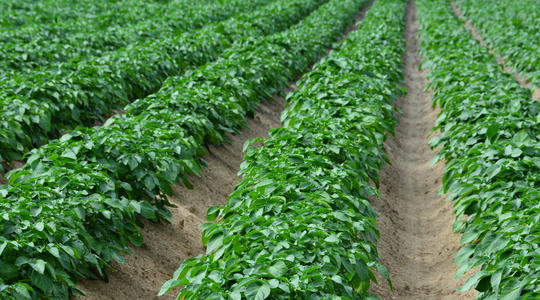
Introduction
Potatoes have been a staple crop in Italian agriculture for centuries. From their introduction to the present day, interest in potatoes has grown significantly. Today, Italy produces around 4 million tons of potatoes per year, although imports from other countries have reduced this number.
In this article, we will explore the world of potato cultivation, covering everything from planting and harvesting to care and maintenance.
Understanding Potato Cultivation
Potato cultivation is a fascinating process that requires careful planning and attention to detail. Unlike other crops, potatoes do not require large areas of land to be cultivated. In fact, even small spaces in an orchard or garden can be used for potato cultivation.
One of the most exciting aspects of potato cultivation is its versatility. Potatoes can be grown in a variety of conditions, including containers and bags. With the right techniques and equipment, anyone can become a skilled potato farmer.
Planting Potatoes
Before planting potatoes, it’s essential to understand the process. Planting potatoes involves placing seed potatoes into the soil, where they will sprout and grow into new plants. This process is called “settling” or “hilling.”
To start planting, select mature potatoes with visible sprouts. Cut the potatoes into pieces, each with at least two eyes (small buds from which new shoots emerge). Plant these pieces about 2-3 inches deep, with the eyes facing upwards.
Choosing the Right Variety
When selecting potato varieties, consider factors such as climate, soil type, and desired harvest period. Some popular varieties include ‘Russet’, ‘Yukon Gold’, and ‘Red Pontiac’.
Optimal Planting Conditions
The ideal time to plant potatoes depends on your location. In general, spring is the best season for planting, with temperatures above 10°C (50°F). However, in regions with mild winters, autumn planting may be viable.
To promote healthy growth, aim for temperatures between 12-20°C (54-68°F) during the early stages of cultivation. In areas with hot summers, consider using shade cloth or other forms of protection to prevent scorching.
Cultivating Potatoes
Potato cultivation requires regular maintenance, including:
- Soil preparation: Before planting, prepare the soil by adding organic matter such as compost or manure.
- Irrigation: Water plants regularly, especially during hot weather. Avoid overwatering, which can lead to rot and other diseases.
- Fertilization: Feed your potato plants with a balanced fertilizer during the growing season.
Harvesting Potatoes
When it’s time to harvest potatoes, carefully dig around each plant, being careful not to damage the tubers. Gently lift them out of the soil and dry them in a warm, well-ventilated area.
To store harvested potatoes, keep them cool, dark, and dry. Avoid washing them before storing, as excess moisture can lead to rot.
Growing Blue Potatoes
If you’re interested in growing blue potatoes, be aware that they have slightly different requirements than regular potatoes.
Blue potatoes are rich in antioxidants and natural coloring agents called anthocyanins. To grow blue potatoes, follow the same planting and care procedures outlined above.
Tips for Growing Blue Potatoes
- Soil pH: Blue potatoes prefer a slightly acidic to neutral soil pH (around 6-7).
- Lighting: Provide full sun for at least six hours per day.
- Temperature: Maintain consistent temperatures between 15-25°C (59-77°F).
Growing Potatoes in Containers
If you’re interested in growing potatoes, consider using containers or bags. This can be a great option for small spaces or urban gardens.
To grow potatoes in containers, choose a container with good drainage and at least 6-8 inches of depth. Fill the container with a mix of potting soil and compost, then plant your seed potatoes about 2-3 inches deep. Water regularly, making sure the soil is consistently moist but not waterlogged.
Growing Potatoes in Bags
Another option for growing potatoes is using bags. This method can be convenient for small spaces or urban gardens.
To grow potatoes in bags, choose a bag with good drainage and at least 6-8 inches of depth. Fill the bag with a mix of potting soil and compost, then plant your seed potatoes about 2-3 inches deep. Water regularly, making sure the soil is consistently moist but not waterlogged.
Pest and Disease Management
Regularly inspect your potato plants for signs of pests or diseases. Use organic methods whenever possible to control any infestations or infections.
Some common pests that can affect potato crops include:
- Aphids: Small, soft-bodied insects that feed on plant sap.
- Caterpillars: Large, hairy caterpillars that feed on leaves and stems.
- Slugs and snails: Slow-moving pests that feed on leaves and stems.
Some common diseases that can affect potato crops include:
- Late blight: A fungal disease that causes yellowing or browning of leaves.
- Early blight: A fungal disease that causes small, green spots on leaves.
- Scab: A bacterial disease that causes rough, leathery patches on tubers.
Conclusion
Growing potatoes is an exciting and rewarding experience that can provide a bountiful harvest. By understanding the basics of potato cultivation, you’ll be well on your way to becoming a skilled farmer.
In this comprehensive guide, we’ve covered everything from planting and harvesting to care and maintenance. With these tips and techniques, you’ll be able to grow delicious, nutritious potatoes in your own backyard.
Frequently Asked Questions
Q: What is the best time to plant potatoes?
A: The ideal time to plant potatoes depends on your location, but generally, spring is the best season for planting.
Q: How often should I water my potato plants?
A: Water your potato plants regularly, especially during hot weather. Avoid overwatering, which can lead to rot and other diseases.
Q: Can I grow blue potatoes in containers or bags?
A: Yes! Blue potatoes can be grown in a variety of conditions, including containers and bags.
Q: How do I store harvested potatoes?
A: To store harvested potatoes, keep them cool, dark, and dry. Avoid washing them before storing, as excess moisture can lead to rot.
Q: Can I grow blue potatoes outdoors or indoors?
A: Both! Blue potatoes can be grown outdoors in full sun for at least six hours per day or indoors under grow lights.
Q: What is the best variety of potato for beginners?
A: ‘Russet’ and ‘Yukon Gold’ are popular varieties for beginners, as they’re easy to grow and have a high yield.
Q: How long does it take for potatoes to mature?
A: The maturation time for potatoes depends on factors such as climate, soil type, and desired harvest period. Generally, potatoes take around 70-100 days to mature.
Q: Can I grow potatoes in poor soil?
A: While potatoes can tolerate some level of poor soil, it’s best to prepare the soil by adding organic matter such as compost or manure before planting.
Q: How do I prevent pests and diseases from affecting my potato crop?
A: Regularly inspect your plants for signs of pests or diseases. Use organic methods whenever possible to control any infestations or infections.


