
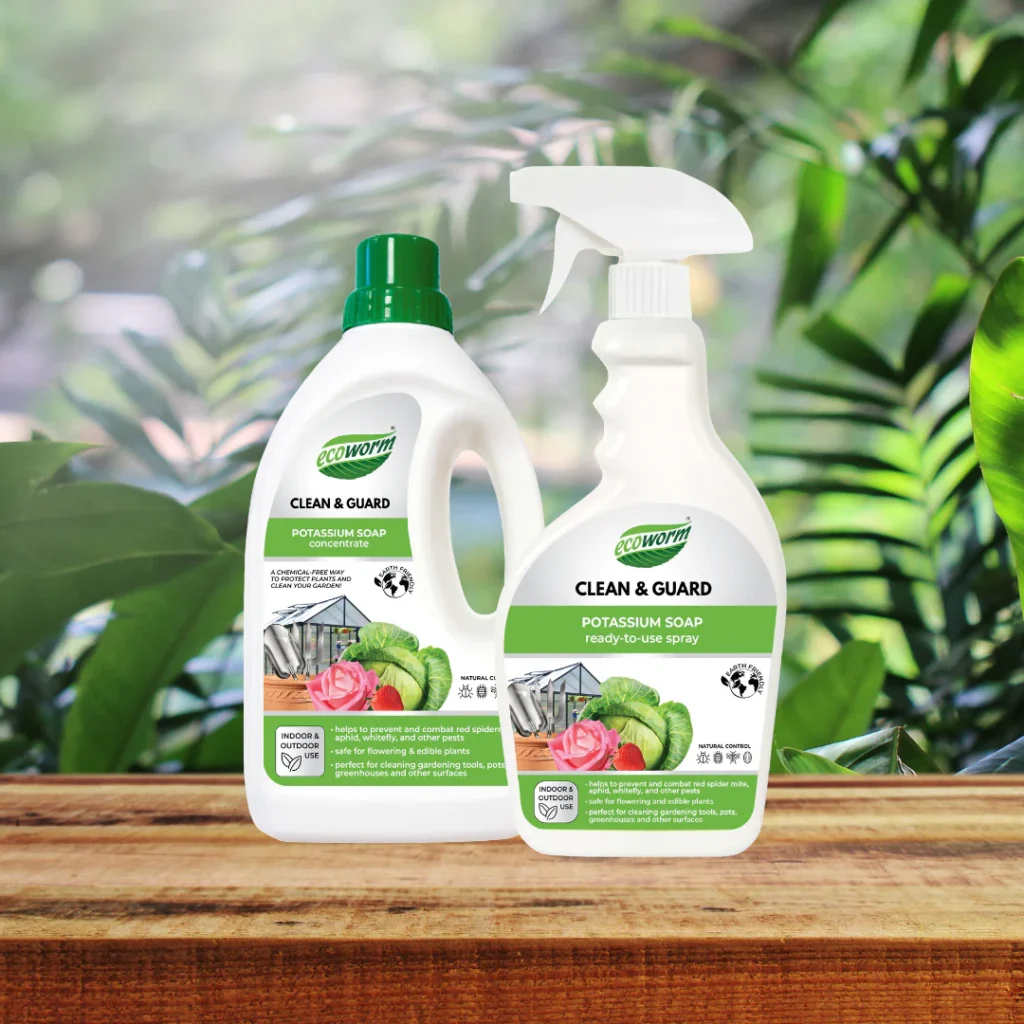
What is Potassium Soap?
Potassium soap, also known as bagnante or adesivant, is a natural detergent that serves as a protective agent for plants. Its main function is to strengthen the plant’s natural defenses and enhance its ability to resist diseases and pests.
History of Potassium Soap
The use of potassium soap in gardening dates back centuries. In medieval Europe, farmers would mix it with water to create a solution that protected their crops from fungal infections and insect damage. Today, potassium soap is widely used by gardeners around the world due to its effectiveness and eco-friendliness.
How Does Potassium Soap Work?
Potassium soap is made from a mixture of potassium salts and olive oil, making it a biodegradable and non-toxic substance. When used as a solution, it can dissolve melates and fumagins, which are fungal infections that damage plants by reducing photosynthesis and increasing moisture loss. Additionally, potassium soap helps to facilitate the removal of insect eggs and prevents the growth of algae and fungi.
Understanding Melates and Fumagins
Melates are sweet secretions produced by aphids, while fumagins are a type of fungal infection that causes damage to plants. Both can have devastating effects on plant health, leading to reduced yields and lower quality produce.
Melates:
- Aphids secrete melates as a defense mechanism to deter predators
- Melates contain sugars that attract ants and other insects, which can help aphid colonies grow
- When applied to plants, potassium soap can break down melates, reducing the risk of infestation
Fumagins:
- Fungal infections like powdery mildew and leaf spot cause damage by reducing photosynthesis and increasing moisture loss
- Potassium soap can dissolve fumagins, preventing their spread and allowing plants to recover
Using Potassium Soap as a Bagnante and Adesivant
As a bagnante, potassium soap helps to reduce the surface tension of water, allowing for better distribution and coverage of protective agents like fertilizers and pesticides. As an adesivant, it enhances the ability of these agents to stick to plant surfaces, ensuring optimal effectiveness.
Benefits of Using Potassium Soap
- Natural and Eco-Friendly: Potassium soap is a natural, non-toxic substance that can be safely used around pets, children, and wildlife.
- Effective Against Fungal Infections: Potassium soap can dissolve melates and fumagins, preventing the spread of fungal infections.
- Improves Soil Health: Regular use of potassium soap can help maintain soil pH balance and promote beneficial microbial activity.
How to Use Potassium Soap Effectively
To use potassium soap effectively, follow these guidelines:
- Dilute the Solution: Mix 1-2 tablespoons of potassium soap with 1 gallon of water.
- Apply During Less Intense Hours: Apply the solution during evening or early morning hours when plants are less stressed.
- Repeat Every 10-14 Days: Regular application is necessary to maintain plant health and prevent pest infestations.
Cost and Availability
Potassium soap is widely available online and in gardening stores, typically sold in containers ranging from 250ml to 1kg. Prices vary depending on the product quality and quantity.
Key Considerations When Purchasing Potassium Soap
When selecting a potassium soap product, ensure it is compatible with other plant care products and water types (hard or soft). Also, be aware that its physical action can cause mild irritation in some individuals, so proper protection should be worn when handling the solution.
Where to Buy Potassium Soap Online
Online retailers offer various options for purchasing potassium soap, including:
- Amazon: A 200g container costs around €8.
- Gardening stores: A 250ml container sells for approximately €12.
Conclusion
Potassium soap is a valuable tool in maintaining plant health and preventing damage from fungal infections and pests. By understanding its benefits, uses, and potential risks, gardeners can harness its power to create a healthier, more resilient environment for their plants.
Frequently Asked Questions (FAQs)
Q: What is the difference between potassium soap and other detergents?
A: Potassium soap is specifically designed for use in gardening, making it safe for plants and the environment. Other detergents may contain harsh chemicals that can harm plants or contaminate soil.
Q: Can I use potassium soap on all types of plants?
A: While generally safe, it’s essential to test a small area before applying potassium soap to new plants or sensitive crops.
Q: How often should I reapply potassium soap?
A: Typically, every 10-14 days for optimal results. However, consult the manufacturer’s instructions for specific guidance.
Q: Is potassium soap compatible with other plant care products?
A: Check the product label before combining it with other substances to ensure compatibility and avoid potential conflicts.
Q: Can I use potassium soap on seedlings or young plants?
A: Be cautious when using potassium soap on sensitive or newly germinated seedlings. Dilute the solution further and apply sparingly to avoid stress.
Q: Is there a recommended ratio for mixing potassium soap with water?
A: Typically, 1-2 tablespoons of potassium soap per gallon of water is sufficient. Adjust according to manufacturer’s instructions.
Q: Can I reuse or store potassium soap after use?
A: It’s generally not recommended to re-use or store potassium soap due to its potential impact on soil pH and microbial balance.
Q: How do I dispose of used potassium soap?
A: Dispose of it in a well-ventilated area, following local regulations for organic waste disposal.


