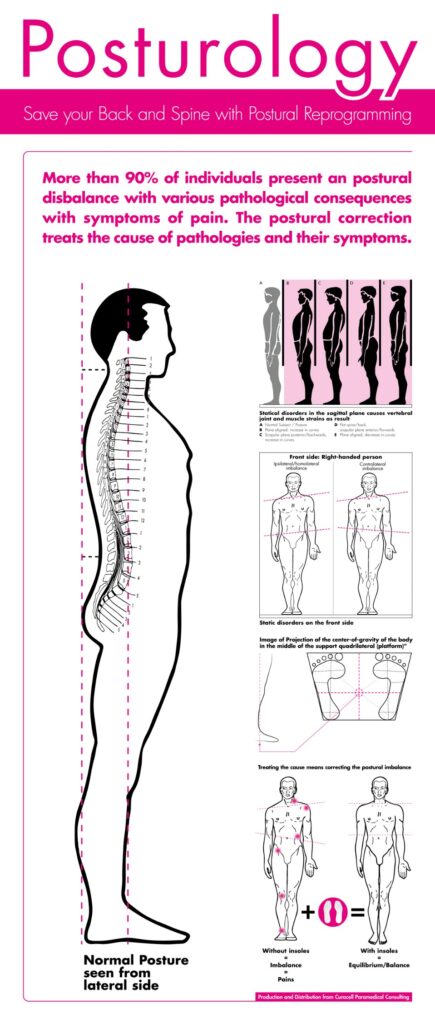
As we go about our daily lives, it’s easy to neglect the importance of our posture. But what if I told you that poor posture can lead to a range of problems, from back pain and headaches to breathing difficulties and decreased athletic performance? This is where posturology comes in – a field of study focused on identifying and addressing issues with our posture.
What is Posturology?
Posturology is a discipline dedicated to examining the relationship between our posture and overall health. By analyzing our posture, we can identify problems, anomalies, and misalignments that may be affecting our quality of life. The goal of posturology is to help individuals achieve optimal posture, which can lead to improved physical function, reduced pain, and enhanced athletic performance.
Benefits of Posturology
Posturology can be beneficial in treating a range of conditions, including:
- Cervical problems
- Rigid muscles and joint pain
- Headaches
- Vertigo
- Epicondylitis (tennis elbow)
- Lower back pain
- Tendinitis
- Inflammation and pain in the shoulders
- Arthritis (knees, hips, ankles)
- Foot alignment issues
Common Posture Problems
Poor posture can manifest in many ways. Some common examples include:
- Forward head posture
- Rounded shoulders
- Imbalanced pelvis
- Weak core muscles
- Inadequate spine alignment
The Science Behind Posturology
Posturology is a multidisciplinary field that draws from anatomy, biomechanics, and exercise science to understand the complex relationships between posture, movement, and overall health. By analyzing an individual’s posture, posturologists can identify patterns of movement and muscle imbalances that may be contributing to pain, discomfort, or decreased performance.
The Role of Muscles in Posture
Muscles play a critical role in maintaining optimal posture. The muscles of the spine, pelvis, and core work together to support the body’s upright position. However, when these muscles become weak, tight, or imbalanced, poor posture can result.
- Weak core muscles can lead to rounded shoulders and an open chest, which can put strain on the back muscles.
- Tight hip flexors can cause the pelvis to tilt forward, leading to a leaning posture.
- Weak glutes can contribute to a sagging pelvic position, putting pressure on the lower back.
The Importance of Exercise in Posturology
Exercise is a crucial component of posturology. By strengthening and stretching the muscles that support optimal posture, individuals can improve their overall physical function and reduce pain.
- Core exercises, such as planks and bridges, can help strengthen the muscles that support good posture.
- Stretching exercises, such as shoulder rolls and hip flexor stretches, can help alleviate tension in the muscles that contribute to poor posture.
- Exercises that target specific areas of the body, such as gynnastics posturale, can help improve posture by strengthening the muscles and joints involved.
Gynnastics Posturale: A Holistic Approach
Dr. Corvi emphasizes the importance of gynnastics posturale in achieving optimal posture. This type of exercise involves movements that target specific areas of the body, such as the spine, shoulders, and core. By incorporating gynnastics posturale into their daily routine, individuals can improve their posture, reduce pain, and enhance athletic performance.
Duration of Treatment
The duration of treatment for gynnastics posturale varies depending on individual needs. On average, most patients require 5-8 sessions to achieve optimal results.
During this time, patients will work with Dr. Corvi to identify areas of improvement in their posture and develop exercises tailored to address those issues.
Plantar Orthopedics: Maintaining Proper Foot Alignment
Once an individual has achieved optimal posture through gynnastics posturale, a plantar orthopedic device can be used to maintain proper foot alignment and prevent future problems. Plantar orthopedics involves the use of specialized devices that target the feet and ankles to promote proper alignment and reduce pain.
Frequently Asked Questions
Q: What is posturology?
A: Posturology is a field of study that examines the relationship between posture and overall health, aiming to improve physical function, reduce pain, and enhance athletic performance.
Q: How can I find a qualified posturologist?
A: Research online reviews and ratings, ask for referrals from trusted sources, and seek certifications or qualifications in posturology.
Q: What are the benefits of gynnastics posturale?
A: Gynnastics posturale can improve posture, reduce pain, enhance athletic performance, and promote overall physical function.
Q: How long does treatment take?
A: The duration of treatment varies depending on individual needs, typically lasting 5-8 sessions.
Q: What is SpiroTiger?
A: SpiroTiger is a respiratory training device that helps individuals improve their breathing and reduce pain.
Q: Can I benefit from plantar orthopedics?
A: Yes, once optimal posture has been achieved through gynnastics posturale, plantar orthopedic devices can help maintain proper foot alignment and prevent future problems.
Conclusion
Posturology is a growing field of study that recognizes the importance of posture in maintaining overall health. By understanding the complex relationships between posture, movement, and overall health, individuals can take steps to improve their posture, reduce pain, and enhance athletic performance. Whether you’re experiencing chronic pain or simply looking to improve your physical function, posturology can provide valuable insights and practical tools for achieving optimal posture.
The Future of Posturology
As our understanding of the complex relationships between posture, movement, and overall health continues to grow, so too will the field of posturology. With advancements in technology and the increasing recognition of the importance of posture in maintaining overall health, we can expect to see more innovative treatments and therapies emerge.
Staying Up-to-Date with Posturology
To stay current with the latest developments in posturology, individuals can:
- Follow reputable sources, such as scientific journals and online forums
- Attend workshops and seminars on posturology
- Network with other professionals in the field of posturology
By staying informed and engaged, you can take advantage of new treatments and therapies that can help improve your posture and overall health.