
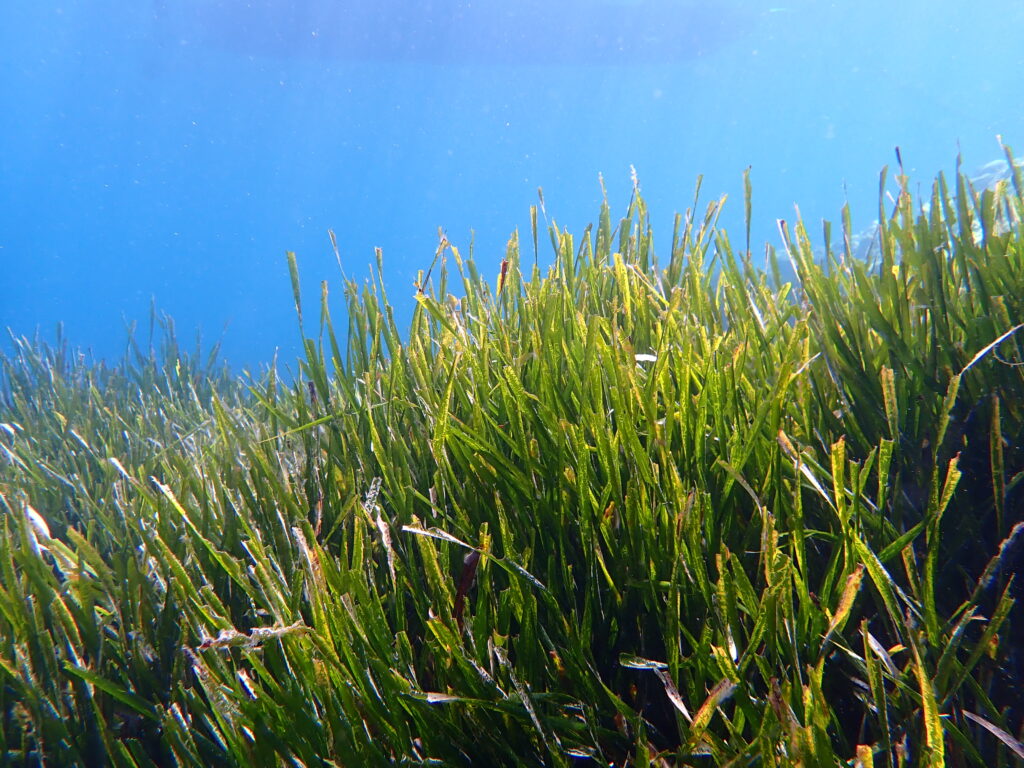
Posidonia oceanica, also known as Mediterranean seaweed or sea olive, is a type of marine plant that thrives in the warm waters of the Mediterranean Sea. While often mistaken for an algae, posidonia is actually a flowering plant that produces fruits and flowers, just like its terrestrial counterparts.
A Brief History of Posidonia Oceanica
Posidonia oceanica has been an integral part of the Mediterranean ecosystem for thousands of years. Its history dates back to ancient times, when it was used by the Greeks and Romans as a food source and for medicinal purposes. In fact, the Greek physician Hippocrates is known to have prescribed posidonia tea to his patients.
What Makes Posidonia Oceanica Special?
Posidonia’s unique characteristics set it apart from other marine plants. Its leaves are rich in nutrients, making them an excellent food source for numerous fish and shellfish species. Additionally, its roots are incredibly resilient, allowing the plant to thrive in areas with poor soil quality.
The Importance of Posidonia Oceanica
Posidonia oceanica plays a vital role in maintaining the health of Mediterranean coastal waters. Its extensive underwater meadows provide habitat for countless marine species, including fish, shellfish, and other invertebrates. By filtering the water, posidonia helps to maintain water quality and prevent the buildup of pollutants.
A Pristine Ecosystem
Posidonia’s vast underwater meadows are often referred to as seagrass beds. These ecosystems are crucial for maintaining the balance of Mediterranean coastal waters. Posidonia provides a habitat for numerous species, including fish, shellfish, and other invertebrates, which help to regulate the ecosystem.
The Olive of the Sea
Posidonia’s fruits are commonly known as “olive of the sea” due to their resemblance to olive leaves. These fruits ripen between October and December, depending on water temperature and other environmental factors. The posidonia plant has a unique root system, consisting of rizomes that can attach themselves only to soft substrates like sand.
The Benefits of Posidonia
Posidonia’s leaves have been used in the past as an insulation material for building roofs, while its roots are employed in producing lettres for animal feed and packaging fragile items. In pharmacology, posidonia’s leaves were used to create ant-inflammatory and skin-soothing products.
Research and Development
Today, researchers are exploring new applications for posidonia oceanica, including its potential use as a fertilizer and biogas producer. This research has the potential to unlock new economic opportunities for Mediterranean communities and help preserve the plant’s ecological significance.
Sustainability and Conservation
Despite its ecological importance, posidonia oceanica is facing threats from pollution and over-extraction. As a result, this plant species has been declining in the Mediterranean Sea. To mitigate these impacts, it’s essential to adopt sustainable practices when interacting with posidonia or harvesting its resources.
Responsible Harvesting and Use
In some areas, beachgoers may find posidonia that has washed ashore, often in a decomposed state. While this material can be used as compost or biogas fuel, it’s essential to check local regulations before collecting or utilizing it.
Understanding the Law
Under Italian law (Parte IV of the Testo Unico Ambientale), Posidonia found on beaches is considered waste and must be removed. However, the use of posidonia in composting is not allowed.
The Hidden World of Posidonia Oceanica
In Italy, you may notice beach areas covered with posidonia, particularly during winter and spring when a type of plant matter called “aegagropile” accumulates on beaches. This phenomenon is often referred to as “posidonia bloom.”
Frequently Asked Questions
- What is the significance of posidonia oceanica in the Mediterranean ecosystem?
Posidonia plays a vital role in maintaining the health of Mediterranean coastal waters, providing habitat for numerous marine species and filtering the water. - Is posidonia oceanica an algae or a plant?
Posidonia is actually a type of flowering plant that produces fruits and flowers, like its terrestrial counterparts. - What are the benefits of using posidonia in agriculture?
Researchers are exploring posidonia’s potential use as a fertilizer and biogas producer. - Can I collect posidonia on the beach for composting or other purposes?
In Italy, collecting posidonia found on beaches is considered waste and must be removed. However, local regulations may permit its use in specific circumstances. - How do I protect posidonia oceanica while snorkeling or diving?
To avoid harming this delicate ecosystem, we recommend following responsible snorkeling and diving practices, such as avoiding touch and not removing any plant material from the seafloor.
Conclusion
Posidonia oceanica is a remarkable marine plant that plays a vital role in maintaining the health of Mediterranean coastal waters. By adopting sustainable practices when interacting with posidonia or harvesting its resources, we can help preserve the beauty and biodiversity of our oceans. Whether you’re a researcher, a beachgoer, or simply someone who appreciates the importance of marine ecosystems, learning more about posidonia oceanica is an exciting journey that’s sure to leave you in awe.
Additional Resources
- National Park Posidonia Oceanica
- Mediterranean Marine Protected Area Network
- Italian Ministry of Environment, Land and Sea
- European Union’s Marine Conservation Strategy
By exploring the world of posidonia oceanica and adopting sustainable practices when interacting with this incredible marine plant, we can help preserve the beauty and biodiversity of our oceans. Whether you’re a researcher, a beachgoer, or simply someone who appreciates the importance of marine ecosystems, learning more about posidonia oceanica is an exciting journey that’s sure to leave you in awe.
Further Reading
- “The Importance of Posidonia Oceanica in the Mediterranean Ecosystem”
- “Posidonia: The Mediterranean Seaweed with a Thousand Uses”
- “Marine Protected Areas and the Conservation of Posidonia Oceanica”
- “The Economic Potential of Posidonia Oceanica”
Getting Involved
If you’re passionate about marine conservation and want to learn more about posidonia oceanica, there are plenty of ways to get involved. You can:
- Volunteer with local marine conservation organizations
- Participate in citizen science projects focused on posidonia oceanica
- Learn more about sustainable fishing practices and their impact on posidonia ecosystems


