
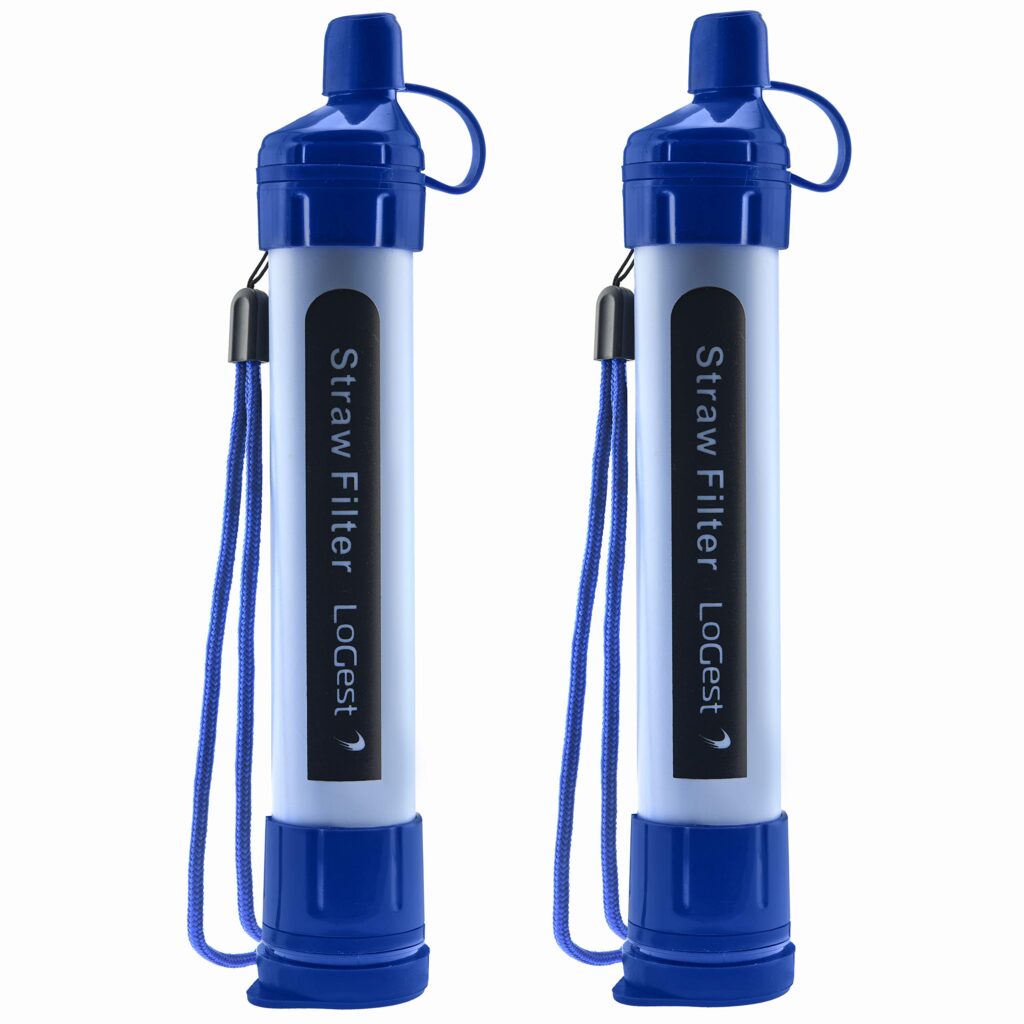
As the world becomes increasingly connected, our need to explore and experience the great outdoors has never been more important. Whether you’re a seasoned camper, an avid hiker, or simply someone who loves spending time in nature, having access to clean drinking water is essential. This is where portable water purifiers come in – a game-changer for anyone venturing into the wilderness.
What are Portable Water Purifiers?
Portable water purifiers are designed to remove impurities from untreated water sources, making it safe for human consumption. They’re perfect for camping trips, hiking excursions, and other outdoor activities where access to clean drinking water is limited. Unlike traditional water filtration systems, which can be bulky and heavy, portable water purifiers are lightweight and compact, making them ideal for backpacking and emergency situations.
History of Portable Water Purifiers
The concept of portable water purification has been around for centuries, with ancient civilizations using various methods to purify water before consumption. However, modern portable water purifiers have evolved significantly over the years, with advances in technology leading to more efficient and effective filtration systems.
In recent years, portable water purifiers have become increasingly popular among outdoor enthusiasts, thanks to their convenience, cost-effectiveness, and versatility. Today, there are numerous models available on the market, catering to different needs and preferences.
How Do Portable Water Purifiers Work?
Portable water purifiers use various technologies to remove impurities from water, including:
- Chemical disinfection: This method involves adding a disinfectant to the water, which kills bacteria, viruses, and other microorganisms.
- Filtration: Filtration uses physical barriers to remove impurities from the water, including sediment, particulate matter, and contaminants.
- Ultraviolet (UV) light: UV light purifiers use ultraviolet rays to kill bacteria, viruses, and other microorganisms in the water.
These technologies work together to eliminate impurities from water sources. Some portable water purifiers also include additional features, such as activated carbon filters, which can improve the taste and odor of the purified water.
Benefits of Portable Water Purifiers
Portable water purifiers offer several benefits for outdoor enthusiasts, including:
- Convenience: They’re lightweight and compact, making them easy to carry on long hikes or camping trips.
- Cost-effective: Unlike traditional water filtration systems, portable water purifiers are often more affordable and can be reused multiple times.
- Versatility: Many portable water purifiers can handle a wide range of water sources, from rivers and lakes to wells and springs.
Popular Portable Water Purifier Models
There are several popular portable water purifier models on the market, including:
- LifeStraw
- Katadyn Poket
- Ketadyn Vario
- Ketadyn Hiker Pro
Each model has its unique features and benefits, so it’s essential to research and compare different options before making a purchase.
Comparison of Portable Water Purifier Models
| Model | Price | Capacity | Filtration Technology |
|---|---|---|---|
| LifeStraw | $26 | 1,000 liters | Ceramic filter |
| Katadyn Poket | $330 | N/A | Ceramic filter |
| Ketadyn Vario | $130 | N/A | Ceramic filter |
| Ketadyn Hiker Pro | $90 | N/A | Fiberglass filter |
What to Look for When Choosing a Portable Water Purifier
When selecting a portable water purifier, consider the following factors:
- Price: Portable water purifiers can range from under $100 to over $500, depending on the model and features.
- Capacity: Consider how much water you need to purify and choose a model with a sufficient capacity.
- Filtration technology: Research different filtration technologies and choose a model that uses one or more of the following methods:
- Chemical disinfection
- Filtration
- Ultraviolet (UV) light
Tips for Using Portable Water Purifiers
To get the most out of your portable water purifier, follow these tips:
- Regular maintenance: Check and replace filters as needed to ensure optimal performance.
- Storage and transportation: Store and transport your portable water purifier in a safe and secure location.
- Use with care: Follow proper usage instructions and take necessary precautions when using your portable water purifier.
Conclusion
Portable water purifiers are a game-changer for outdoor enthusiasts, providing a convenient and cost-effective way to access clean drinking water in the wilderness. With various models available on the market, it’s essential to research and compare different options before making a purchase. Whether you’re a seasoned camper or just starting out, having access to clean drinking water is essential – and portable water purifiers can make all the difference.
Frequently Asked Questions
-
What are the benefits of using a portable water purifier?
- Convenience: Portable water purifiers are lightweight and compact, making them easy to carry on long hikes or camping trips.
- Cost-effective: They’re often more affordable than traditional water filtration systems and can be reused multiple times.
- Versatility: Many portable water purifiers can handle a wide range of water sources, from rivers and lakes to wells and springs.
-
What are the different types of filtration technologies used in portable water purifiers?
- Chemical disinfection
- Filtration
- Ultraviolet (UV) light
-
How do I choose the right portable water purifier for my needs?
- Research and compare different models to determine which one meets your specific needs.
- Consider factors such as price, capacity, filtration technology, and additional features.
-
Can I use a portable water purifier in emergency situations?
- Yes, portable water purifiers can be used in emergency situations to provide clean drinking water.
- However, it’s essential to follow proper usage instructions and maintain the device regularly to ensure optimal performance.
-
Are portable water purifiers safe for long-term use?
- Yes, portable water purifiers are generally safe for long-term use when properly maintained and replaced as needed.
- However, it’s essential to consult the manufacturer’s instructions and guidelines for maintenance and replacement.


