
What are Ponies?
Before we dive into the world of ponies, let’s dispel a common stereotype that they’re just miniature versions of horses. While it’s true that some ponies share similarities with horses, they belong to a distinct species and have many unique characteristics.
Ponies are equines, like horses, but they are classified as their own species due to their smaller size and specific physical features. In fact, the term “pony” was originally used in England to describe a type of horse that was considered too small for riding, but was still strong enough to carry heavy loads.
Physical Characteristics of Ponies
Unlike horses, ponies are not simply small versions of them. They have distinct physical features that set them apart, such as a more compact body, shorter legs, and a smaller head. One of the most significant differences is their height; according to the Fédération Équestre Internationale (FEI), a pony must be under 151 centimeters (4 feet 11 inches) tall at the withers to be considered a pony.
In contrast to the common misconception that ponies are just smaller horses, many breeds of ponies have characteristics that make them more similar to their equine ancestors. For example, some pony breeds, such as the Shetland and the Fjord Norwegian, retain features from ancient horse breeds. These breeds often have strong bones, robust muscles, and a distinctive coat pattern.
Breed Characteristics
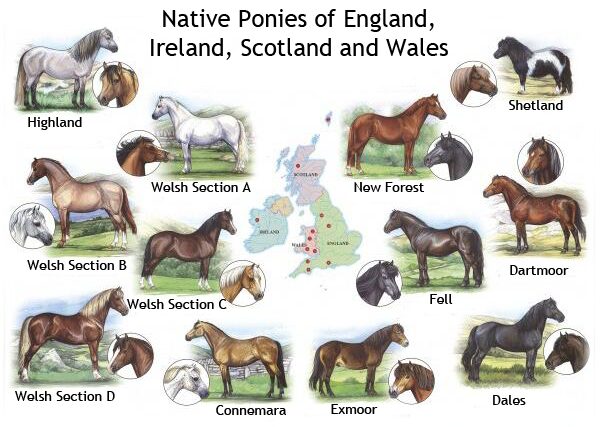
Ponies come in a variety of breeds, each with its unique characteristics, strengths, and weaknesses. Some breeds, like the Exmoor pony, have a strong resemblance to their ancestors, while others, such as the Fjord Norwegian pony, are more robust and muscular.
The development of pony breeds is influenced by factors such as climate, geography, and human use. For instance, ponies were often bred for working purposes, like carrying loads or pulling carts, while others were developed specifically for riding and companionship.
Some popular pony breeds include:
- Shetland pony: Known for their small size and gentle nature, Shetland ponies are a favorite among children and adults alike.
- Fjord Norwegian pony: This breed is known for its striking coloration, muscular build, and intelligence.
- Exmoor pony: With their distinctive mane and tail, Exmoor ponies are prized for their beauty and versatility.
The History of Ponies
Ponies have a long history that dates back thousands of years. They were first domesticated by humans, who selectively bred them to create unique breeds. Over time, ponies became an integral part of human society, serving as working animals, mounts, and companions.
In modern times, many pony breeds are kept for their unique characteristics, such as the Shetland pony’s small size or the Fjord Norwegian pony’s striking coloration. Some ponies are even used in competitions, like horse shows and racing events.
Pony Dimensions
While ponies may be smaller than horses, there is a specific height requirement to be considered a pony. According to the FEI, a pony must be under 151 centimeters (4 feet 11 inches) tall at the withers to qualify as a pony. However, this rule can sometimes be confusing, especially when it comes to determining whether an animal is a pony or a horse.
In practice, ponies come in all shapes and sizes, from the small Shetland pony to the larger Fjord Norwegian pony. The key factor in determining whether an animal is a pony is its height at the withers.
Pony Pricing
The price of a pony depends on various factors, including its breed, size, age, sex, and bloodline. Some ponies are bred specifically for their unique characteristics or riding ability, while others are kept as pets or working animals.
In general, ponies can range in price from relatively affordable to very expensive, depending on the specific breed and features. For example, a Shetland pony might cost between $500 and $5,000, while a Fjord Norwegian pony could cost upwards of $10,000.
The Connection Between Ponies and My Little Pony
For many people, especially those who grew up in the 1980s, ponies evoke memories of colorful toys and beloved characters. The concept of My Little Pony has become synonymous with ponies, with its iconic images of magical ponies living in rainbow-colored land.
While My Little Pony may not be a realistic representation of real-life ponies, it has inspired countless fans to learn more about these fascinating animals. For those interested in learning more about ponies, there are many resources available, including books, online forums, and local pony breeders.
Care and Handling of Ponies
Ponies require regular care and handling to stay healthy and happy. This includes providing a balanced diet, regular exercise, and veterinary check-ups. Owners must also ensure that their pony is properly groomed, with regular brushing and trimming of its mane and tail.
In addition to physical care, ponies also require mental stimulation and social interaction. Many pony owners report that their horses are more responsive to training and handling when they receive regular attention and affection.
Conclusion
Ponies are indeed fascinating creatures that offer a unique blend of physical characteristics, breed diversity, and historical significance. From their compact bodies to their striking colors, ponies have captured the hearts of people around the world.
Whether you’re interested in learning more about a specific breed or simply want to understand what makes a pony a pony, there’s no denying the appeal of these incredible animals.
Frequently Asked Questions (FAQs)
- What is the main difference between ponies and horses?
Ponies are smaller than horses and have distinct physical characteristics, such as a more compact body and shorter legs. - How do you determine whether an animal is a pony or a horse?
To qualify as a pony, an animal must be under 151 centimeters (4 feet 11 inches) tall at the withers. - What are some of the most common pony breeds?
Some popular pony breeds include Shetland ponies, Fjord Norwegian ponies, and Exmoor ponies. - Why do ponies come in different sizes?
Ponies can vary in size due to breeding practices, genetics, and environmental factors. - How much does a pony typically cost?
The price of a pony depends on various factors, including breed, size, age, sex, and bloodline, with prices ranging from $500 to $10,000 or more. - Can ponies be used for riding and companionship?
Yes, many pony breeds are suitable for riding and companionship, making them popular among horse enthusiasts. - What is the connection between My Little Pony and real-life ponies?
While My Little Pony may not be a realistic representation of real-life ponies, it has inspired countless fans to learn more about these fascinating animals.
By exploring the world of ponies, you’ll discover a unique blend of physical characteristics, breed diversity, and historical significance. Whether you’re interested in learning more about a specific breed or simply want to understand what makes a pony a pony, there’s no denying the appeal of these incredible animals.


