
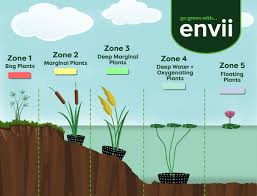
Are you fortunate enough to have a pond in your garden? If so, adding water plants can be one of the best decisions you’ll ever make. Not only will they enhance the aesthetic appeal of your pond, but they’ll also improve its overall health and well-being.
But how do you choose the right water plants for your pond? What factors should you consider before making a purchase?
Understanding the Importance of Water Plants
Before we dive into the specifics of selecting water plants, it’s essential to understand their significance. Water plants play a vital role in maintaining a balanced ecosystem within your pond.
Here are just a few reasons why water plants are so important:
- They provide shelter and shade for aquatic animals
- They absorb excess nutrients from the water, reducing algae growth
- They help maintain oxygen levels in the water
Now that we’ve covered the importance of water plants, let’s talk about how to select the best ones for your pond.
Factors to Consider When Selecting Water Plants
When choosing water plants for your pond, there are several factors to consider. These include:
- Climate and temperature: Different types of water plants thrive in various climate conditions. Make sure you choose plants that can tolerate the temperatures and weather patterns in your area.
- Water quality: Some water plants are more tolerant of poor water quality than others. If your pond is prone to algae growth or other water issues, select plants that can handle these conditions.
- Pond size and depth: Different types of water plants have different spatial requirements. Make sure you choose plants that will thrive in the size and depth of your pond.
Types of Water Plants
There are several types of water plants to choose from, each with its unique characteristics and benefits.
Oxygenating Plants
Oxygenating plants, such as water lilies and cattails, are essential for maintaining a healthy ecosystem within your pond. They absorb excess nutrients from the water, reduce algae growth, and provide oxygen for aquatic animals.
These plants are ideal for ponds with limited space or those that require minimal maintenance.
Floating Plants
Floating plants, such as duckweed and water hyacinth, are perfect for creating a natural barrier around your pond’s perimeter. They also help to absorb excess nutrients from the water and reduce algae growth.
However, be cautious when choosing floating plants, as they can become invasive if not properly maintained.
Submerged Plants
Submerged plants, such as aquatic grasses and hornwort, are ideal for creating a natural habitat for aquatic animals. They provide shelter, food, and oxygen for fish and other aquatic creatures.
These plants require more maintenance than other types of water plants, but they offer numerous benefits for the ecosystem within your pond.
Emergent Plants
Emergent plants, such as cattails and bulrushes, are perfect for creating a natural screen around your pond’s perimeter. They also help to absorb excess nutrients from the water and reduce algae growth.
These plants require minimal maintenance but can become invasive if not properly managed.
Aquatic Grasses
Aquatic grasses, such as water oats and water clover, are ideal for creating a natural habitat for aquatic animals. They provide shelter, food, and oxygen for fish and other aquatic creatures.
These plants require moderate maintenance but offer numerous benefits for the ecosystem within your pond.
Choosing the Right Water Plants
Now that we’ve covered the different types of water plants, it’s time to choose the right ones for your pond.
Here are some tips to keep in mind:
- Consider your climate and temperature: Choose plants that can tolerate the temperatures and weather patterns in your area.
- Think about your pond size and depth: Select plants that will thrive in the size and depth of your pond.
- Assess your water quality: Choose plants that can handle poor water quality, such as algae growth or other issues.
- Research different types of plants: Learn about the unique characteristics and benefits of each type of plant.
By following these tips, you’ll be well on your way to creating a thriving ecosystem within your pond.
Additional Considerations
In addition to considering climate, temperature, pond size and depth, water quality, and type of plant, there are several other factors to consider when selecting water plants for your pond.
- Light requirements: Different types of water plants have different light requirements. Make sure you choose plants that will thrive in the amount of light your pond receives.
- pH levels: Some water plants are more tolerant of specific pH levels than others. If your pond has a unique pH level, select plants that can handle it.
- Fertilization needs: Different types of water plants have different fertilization needs. Research specific fertilization requirements for each plant to ensure you’re providing the right amount of nutrients.
Conclusion
Selecting the right water plants for your pond can seem daunting, but with the right knowledge and planning, it’s easier than you think. By considering climate, temperature, pond size and depth, water quality, type of plant, light requirements, pH levels, and fertilization needs, you’ll be able to create a thriving ecosystem that benefits both your pond and its inhabitants.
So don’t wait any longer – start selecting the best water plants for your pond today!
Frequently Asked Questions
Q: What is the best way to care for my water plants?
A: The best way to care for your water plants depends on the type of plant you have. Research specific care requirements for each plant, and adjust as needed.
Q: How often should I fertilize my water plants?
A: Fertilize your water plants regularly, but avoid over-fertilizing. This can lead to algae growth and other issues.
Q: Can I use chemicals to control algae in my pond?
A: Avoid using chemicals to control algae in your pond. Instead, focus on maintaining good water quality and using natural methods to reduce algae growth.
Q: What are some common pests that affect water plants?
A: Common pests that affect water plants include snails, slugs, and insects like aphids and whiteflies.
Q: How can I prevent invasive species from taking over my pond?
A: Prevent invasive species from taking over your pond by properly identifying and managing plants, and avoiding the introduction of non-native species.
By following these tips and considering all the factors that affect water plant selection, you’ll be able to create a thriving ecosystem within your pond.


