
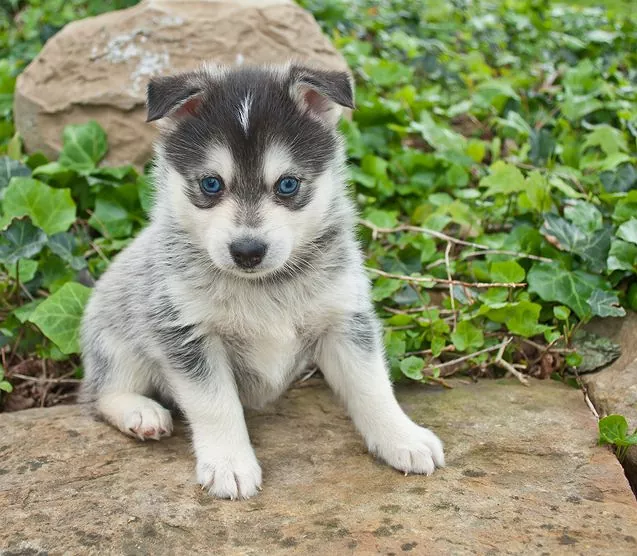
The Pomsky: A Unique Breed of Dog Born from Two Ancient Lines
As a dog lover, it’s hard not to be drawn in by the adorable Pomsky, a hybrid breed that combines the best traits of two ancient breeds: the Pomeranian and the Siberian Husky. With its soft, fluffy coat, expressive face, and affectionate nature, it’s no wonder why the Pomsky has become increasingly popular in recent years.
What is a Pomsky?
So, how did this unique breed come to be? The answer lies in the breeding of two distinct breeds: the Pomeranian, known for its small size and long coat, and the Siberian Husky, renowned for its intelligence, energy, and striking appearance. The result is a dog that inherits the best qualities from both parents.
Characteristics of a Pomsky
A Pomsky typically has a medium-sized build, weighing between 7-14 pounds (3-6 kg), with a coat that’s a mix of the Pomeranian’s long, fluffy fur and the Husky’s shorter, smoother coat. Their eyes are often a striking blue color, and their faces are characterized by a sweet, expressive nose.
One of the defining features of a Pomsky is its intelligence and trainability. Like the Husky, they’re highly intelligent and responsive to training, making them an excellent choice for active families or individuals who enjoy outdoor activities.
Origins of the Pomsky
The Pomsky was first bred in the United States, where both breeds were widely popular. The breeding process typically involves a female Pomeranian (the “mother”) and a male Siberian Husky (the “father”), which produces puppies with a unique combination of characteristics.
While some breeders are quick to label the Pomsky as a “mischief” or a “designer dog,” it’s essential to recognize that this breed is still relatively new and lacks official recognition from reputable kennel clubs, such as the FCI (Fédération Cynologique Internationale).
Pomsky vs. Husky: What’s the Difference?
While both breeds share some similarities, there are distinct differences between a Pomsky and a Siberian Husky. For instance:
- Size: Huskies typically weigh between 35-60 pounds (15-27 kg), while Pomskys range from 7-14 pounds (3-6 kg).
- Coat: Huskies have a thick, double coat that sheds heavily, whereas Pomskys inherit the Pomeranian’s long, fluffy fur.
- Temperament: While both breeds are friendly and outgoing, Huskies tend to be more energetic and independent, while Pomskys are often described as “velcro dogs” due to their affectionate nature.
Health Considerations
As with any breed, there are potential health issues associated with the Pomsky. Research suggests that these may include:
- Cardiac problems: Both Huskies and Pomeranians can be prone to heart issues.
- Eye problems: The Pomsky’s eyes may inherit the Husky’s tendency towards eye infections or tear duct issues.
- Joint issues: The breed’s slender build may put them at risk for joint problems, particularly if they’re not properly exercised.
Despite these concerns, many Pomsky owners report that their dogs are generally healthy and thriving with proper care and attention.
Conclusion
The Pomsky is a unique and captivating breed that has captured the hearts of many dog enthusiasts. While it’s essential to acknowledge the potential health issues associated with this breed, it’s also crucial to recognize its many benefits, including intelligence, affectionateness, and adaptability.
If you’re considering bringing a Pomsky into your life, be sure to research reputable breeders and prioritize your dog’s health and well-being.
Frequently Asked Questions (FAQs)
Q: What is the average lifespan of a Pomsky?
A: 12-15 years, depending on various factors such as diet, exercise, and health conditions.
Q: Are Pomskys suitable for families with small children?
A: While Pomskys are generally gentle and affectionate, they can be wary of young children due to their independent nature. It’s essential to socialize them properly and teach children how to interact with dogs safely.
Q: How much exercise does a Pomsky require?
A: Like all breeds, Pomskys need regular exercise to maintain physical and mental health. Aim for at least 30 minutes of moderate-intensity exercise per day.
Q: Can I train my Pomsky as a service dog?
A: Absolutely! With patience, consistency, and positive reinforcement, many owners have successfully trained their Pomskys as service dogs, assisting individuals with disabilities or special needs.
Q: Are Pomskys prone to separation anxiety?
A: Yes. Due to their strong attachment to their family members, some Pomskys may experience separation anxiety if left alone for extended periods without proper training and socialization.
Q: Can I breed my own Pomsky?
A: It’s highly recommended that you work with a reputable breeder or consider alternative options, such as adopting from a shelter or rescue organization.


