
As we explore the world of gardening, it’s essential to discover new plants that can thrive in various environments. In this article, we’ll delve into the characteristics, care, and propagation of the Polygala myrtifolia, a tropical plant native to southern Africa.
Introduction to Polygala Myrtifolia
The Polygala myrtifolia is an evergreen shrub belonging to the Polygalaceae family. This plant has been cultivated primarily for its ornamental value and can be found along coastlines and in areas with a dry climate. With proper care, it can become a stunning addition to your garden.
Description of Polygala Myrtifolia
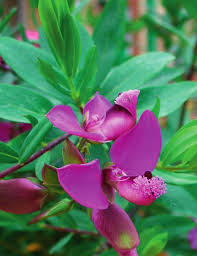
Imagine a dense, rounded shrub with a height of two or three meters. This plant has many stems covered in dark green, non-brilliant leaves that resemble those of the myrtle tree. The leaves are lanceolate and have a tough texture. In the spring, around March, the plant bursts into bloom, producing purple or white flowers arranged in racemes at the ends of its branches.
The Polygala myrtifolia is also known for its unique growth habit, where the stems can grow quite long before branching out. This makes it an excellent choice for hedges and screens, providing a lush and dense cover that’s perfect for wildlife gardens or borders.
Common Problems with Polygala Myrtifolia
While this plant is relatively hardy, it’s not immune to pests and diseases. The most common issues are root rot and aphid infestations. To combat these problems, it’s essential to treat the plant with an organic or insecticide-based solution in late winter before blooming.
Root rot can be a significant problem for Polygala myrtifolia if the soil is too wet or poorly draining. If you notice any yellowing leaves or softening of the stem, take action immediately by reducing watering and improving drainage around the base of the plant.
Aphid infestations can also occur on this plant, particularly during periods of high humidity. Use a gentle soap solution to treat the aphids, making sure not to harm the surrounding plant tissue.
Cultivation of Polygala Myrtifolia
To grow this plant successfully, it’s crucial to provide the right environment. Polygala myrtifolia prefers full sun and minimal wind exposure. In colder climates, covering the plant with a breathable cloth during winter can help protect it from harsh weather conditions.
Soil and Watering Requirements
The soil should be well-drained, but if possible, it’s recommended to use a soft, organic-rich soil mix. During the spring, regular watering is necessary, while in autumn, it’s best to avoid overwatering. In winter, when the plant is dormant, it’s essential to minimize watering to prevent root rot.
In areas with high rainfall, consider using a container garden or raised bed to improve drainage and prevent waterlogged soil. Polygala myrtifolia can also tolerate some drought, but prolonged periods of dryness will lead to leaf drop and reduced growth.
Propagation of Polygala Myrtifolia
This plant can be propagated using either seeds or stem cuttings. Sowing seeds in the spring is a viable option, while stem cuttings are best taken during the summer months. Once the cutting has rooted, it should be transferred to a larger pot and cared for accordingly.
To increase the chances of successful propagation, use healthy, disease-free material. Take 10-15 cm stem cuttings from the tips of the stems, removing any lower leaves that will touch the soil surface. Dip the cut end in rooting hormone powder or liquid, then plant the cutting in a well-draining seed mix.
Interesting Facts about Polygala Myrtifolia
The name “Polygala” originates from the Greek word “poly,” meaning “many,” and “gala,” referring to milk or lactation. This plant was believed to have the power to increase milk production in cows, as well as in women. In ancient times, it was thought that burning Polygala myrtifolia would induce lactation.
In some traditional medicine practices, Polygala myrtifolia is used to treat a range of ailments, including fever, rheumatism, and skin conditions. However, more research is needed to fully understand its potential health benefits.
Conclusion
In conclusion, the Polygala myrtifolia is a beautiful and versatile plant that can thrive in various environments. With proper care and attention, it can become a stunning addition to your garden. By understanding its needs and characteristics, you’ll be well on your way to cultivating this tropical plant with success.
Frequently Asked Questions
- What is the ideal climate for Polygala myrtifolia?
Polygala myrtifolia thrives in areas with mild winters and warm summers. It’s best suited for regions with a dry climate, such as southern Africa.
- How often should I water Polygala myrtifolia?
Regular watering during the spring is necessary, while autumn watering should be minimal to prevent root rot.
- Can I propagate Polygala myrtifolia using seeds?
Yes, sowing seeds in the spring is a viable option for propagation.
- How often should I fertilize Polygala myrtifolia?
Fertilization every 20 days during the spring helps promote new growth and flowering.
- Can I use insecticides on Polygala myrtifolia?
Yes, organic or insecticide-based solutions can be used to treat aphid infestations and other pests.
- How often should I prune Polygala myrtifolia?
Pruning in February is essential to promote healthy growth and encourage blooming.
- What is the recommended soil mix for Polygala myrtifolia?
A soft, organic-rich soil mix with good drainage is ideal for this plant.
- Can I grow Polygala myrtifolia indoors?
Yes, but it’s essential to provide sufficient light and maintain a consistent temperature range.


