
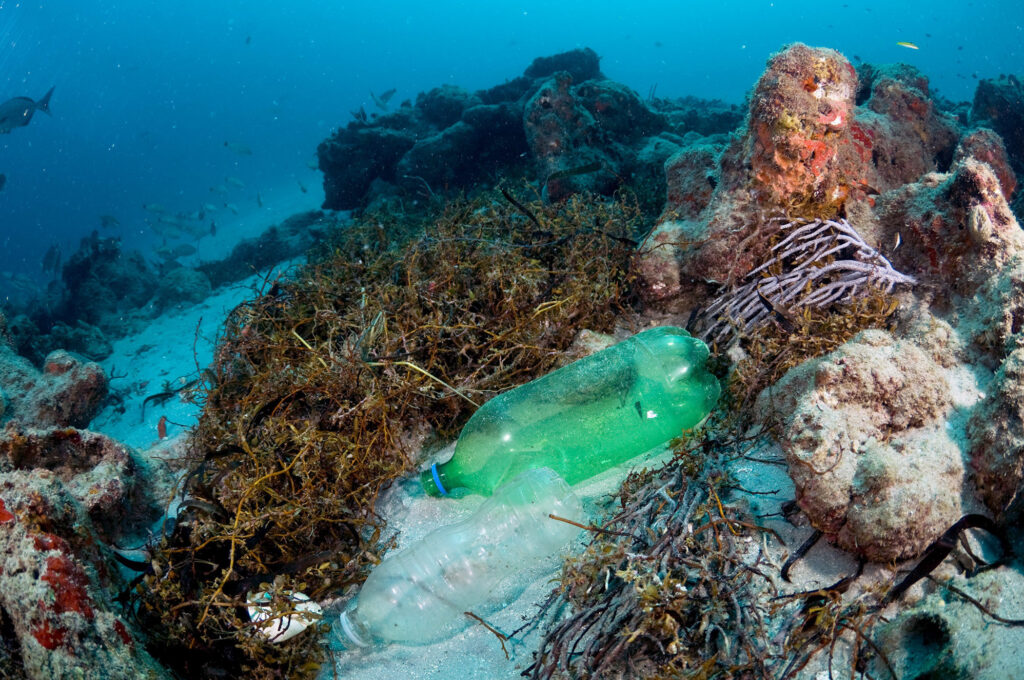
1. Introduction to Coral Reef Degradation
The coral reef, a vital component of global marine ecosystems, is facing an unprecedented threat due to pollution. According to a recent study by the Australian Institute of Marine Science (AIMS), coral reefs will decline drastically in the next decade, with only 5% of their potential standard remaining. This alarming trend has far-reaching implications for marine biodiversity and the well-being of our planet.
Coral reefs are not just beautiful natural wonders; they also provide essential ecosystem services that support millions of people around the world. They protect coastlines from erosion, provide food and livelihoods for millions through fishing and tourism, and even help to regulate water temperature and maintain ocean chemistry. The loss of coral reefs will have significant impacts on local communities and global ecosystems.
2. The Global Threats Facing Coral Reefs
Coral reefs worldwide are facing a multitude of threats, primarily caused by pollution. These include:
• Excessive gas and hydrocarbon emissions: Pollutants from human activities such as fossil fuel combustion contribute to the degradation of coral reefs. When these pollutants enter the ocean, they can alter water chemistry, reduce oxygen levels, and increase the growth of harmful algae.
• Rising water temperatures: Climate change is causing sea surface temperatures to rise, leading to stress and reduced growth rates for corals. Rising temperatures also increase the spread of coral diseases and make it more difficult for corals to recover from damage.
• Ocean acidification: The absorption of carbon dioxide by oceans is reducing their pH levels, making it more acidic. This affects the coral’s ability to synthesize calcium carbonate, essential for its growth and survival.
• Agricultural pollution: Fertilizers and pesticides from agricultural runoff can enter the ocean, harming marine life and contributing to eutrophication, a process that leads to an overgrowth of algae.
3. Cyclones and Storms: Additional Threats
Coral reefs are also vulnerable to cyclones and storms, which can damage or destroy entire sections of the reef. While coral reefs have a natural ability to recover from such events, the increasing frequency and severity of these storms is becoming a major concern.
Storms can cause physical damage to corals through strong currents, sedimentation, and waves, leading to reduced growth rates and increased mortality. Additionally, storm surges can introduce pollutants into the reef ecosystem, exacerbating the effects of pollution.
4. The Role of Human Activity in Coral Reef Degradation
Human activities are playing a significant role in the decline of coral reefs. Industrial emissions, coastal development, and recreational activities like tourism can all contribute to the degradation of these ecosystems.
Industrial activities such as mining, construction, and drilling can lead to chemical pollution, sedimentation, and habitat destruction. Coastal development can also result in increased noise levels, physical damage to corals, and reduced light penetration.
5. Climate Change: A Major Contributing Factor
Climate change is having a profound impact on coral reefs worldwide. Rising sea temperatures are causing stress to corals, which can lead to reduced growth rates and increased susceptibility to disease.
Changes in ocean chemistry due to climate change also affect the coral’s ability to synthesize calcium carbonate, essential for its growth and survival. Furthermore, warmer waters can alter the distribution of coral species, leading to changes in ecosystem composition.
6. The Impact of Tourism on Coral Reefs
Tourism, while beneficial for local economies, can also have negative impacts on coral reefs. The concentration of boat traffic and visitor activity can lead to pollution, damage, and disturbance of the reef ecosystem.
Responsible tourism practices such as eco-tourism and reef conservation efforts can help minimize these effects. However, it is essential to ensure that tourism activities are managed sustainably and do not harm the delicate balance of the reef ecosystem.
7. Deforestation and Invasive Fishing: Key Drivers of Coral Reef Decline
Recent research by scientists Katie Cramer and Jeremy Jackson has identified deforestation and invasive fishing as major drivers of coral reef decline. The destruction of habitats and introduction of non-native species can have devastating effects on local ecosystems.
Deforestation and land degradation contribute to sedimentation, pollution, and habitat destruction. Invasive species can outcompete native species for resources, alter ecosystem processes, and increase the risk of disease transmission among corals.
8. Ocean Acidification: A Growing Concern
Ocean acidification is becoming a significant concern for coral reefs worldwide. As the ocean absorbs more carbon dioxide, its pH levels are decreasing, making it more acidic. This affects the coral’s ability to synthesize calcium carbonate, essential for its growth and survival.
Increased acidity can also alter the distribution of coral species, leading to changes in ecosystem composition. Furthermore, reduced pH levels can increase the growth of harmful algae, which can further exacerbate the effects of pollution.
9. The Future of Coral Reefs: A Bleak Outlook
If left unchecked, pollution and climate change will continue to threaten coral reefs, leading to a drastic decline in their global population. However, there is still hope for these ecosystems if we take immediate action to reduce our impact on the environment.
We must work together to mitigate the effects of pollution, climate change, and human activity on these vital ecosystems. This can be achieved through policies and practices that promote sustainable development, protect coral reefs, and support conservation efforts.
10. Conclusion: Taking Action to Save Coral Reefs
The fate of coral reefs hangs in the balance. As individuals, communities, and governments, we must work together to mitigate the effects of pollution, climate change, and human activity on these vital ecosystems.
By taking immediate action, we can help preserve the beauty and diversity of our oceans for future generations. This includes reducing our carbon footprint, supporting sustainable fishing practices, advocating for conservation efforts, and promoting responsible tourism.
11. Frequently Asked Questions
Q: What is causing the decline of coral reefs?
A: The main causes of coral reef decline are pollution, climate change, ocean acidification, and human activity such as overfishing and coastal development.
Q: How can we help protect coral reefs?
A: We can make a difference by reducing our carbon footprint, supporting sustainable fishing practices, and advocating for conservation efforts. Additionally, responsible tourism practices and community-based conservation initiatives can also contribute to protecting these ecosystems.
Q: What is the future of coral reefs if we don’t take action?
A: If left unchecked, pollution and climate change will continue to threaten coral reefs, leading to a drastic decline in their global population. This could result in the loss of biodiversity, reduced ecosystem services, and decreased resilience to climate change.
Q: Can coral reefs recover from damage?
A: While coral reefs have natural abilities to recover from certain types of damage, the increasing frequency and severity of storms and other threats make it challenging for them to recover. Additionally, long-term damage can lead to permanent loss of ecosystem function and biodiversity.
Q: What is ocean acidification, and how does it affect coral reefs?
A: Ocean acidification is the decrease in pH levels of the ocean due to increased absorption of carbon dioxide. This affects the coral’s ability to synthesize calcium carbonate, essential for its growth and survival.
Q: Can tourism be sustainable for coral reefs?
A: While tourism can have negative impacts on coral reefs, responsible tourism practices such as eco-tourism and reef conservation efforts can help minimize these effects. However, it is essential to ensure that tourism activities are managed sustainably and do not harm the delicate balance of the reef ecosystem.
Q: How can we reduce pollution in our oceans?
A: We can reduce pollution by using public transportation, carpooling or biking, reducing energy consumption, and supporting organizations that work to clean up our oceans. Additionally, implementing policies and regulations that prevent pollution from industrial activities, agricultural runoff, and other sources can also contribute to reducing ocean pollution.
By working together, we can mitigate the effects of pollution, climate change, and human activity on coral reefs and preserve these vital ecosystems for future generations.


