
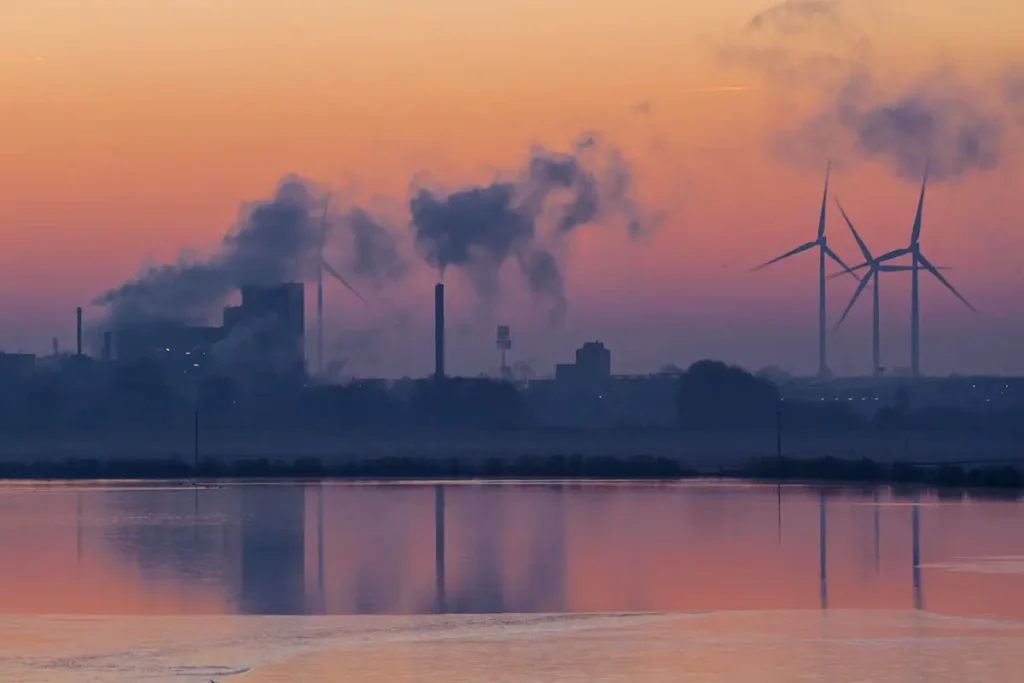
When discussing renewable energy, there’s more to the story than just noise pollution. The environmental impact of wind turbines is a pressing concern, as they pose significant risks once their lifespan comes to an end. In recent years, the debate surrounding wind turbines has intensified, with concerns about their physical presence, noise pollution, and disposal methods gaining attention from policymakers, researchers, and the general public.
The Physical Presence of Wind Turbines
Wind turbines are imposing structures, with blades ranging from 45 to 90 meters in length. These massive machines not only dominate the landscape but also have a significant impact on local ecosystems. The physical presence of wind turbines can lead to habitat disruption, noise pollution, and even bird strikes.
One of the primary concerns surrounding wind turbines is their disposal at the end of their life cycle. When wind turbines reach the end of their operational lifespan, they are typically disposed of in landfills or recycled. However, this practice poses significant environmental risks due to the toxic materials used in their construction.
The Environmental Impact of Retired Wind Turbines
When wind turbines reach the end of their operational life, they are typically disposed of in landfills. This practice raises concerns about waste management and the potential for pollution. The disposal process is also often plagued by logistical challenges, such as transporting the large machines to landfills or recycling facilities.
To mitigate this issue, many companies are exploring ways to extend the lifespan of wind turbines or develop more sustainable disposal methods. Some approaches include:
- Recycling: Companies are developing new technologies to recycle toxic materials used in wind turbine construction, reducing waste and minimizing environmental impact.
- Reusing components: Many companies are repurposing retired wind turbine components for other applications, such as manufacturing new turbines or generating electricity.
- Landfilling with environmental controls: Some landfills are designed with environmental controls to minimize the risk of pollution from wind turbine disposal.
Noise Pollution from Wind Turbines
The latest generation of wind turbines is remarkably quiet, with some installations capable of generating noise levels indistinguishable from those produced by natural wind. However, there are still concerns about potential noise pollution, particularly for nearby residents. The main sources of noise are the mechanical hum from generators and the aerodynamic sounds generated by turbine blades.
Studies have shown that wind turbines can produce noise levels ranging from 20 to 40 decibels above background noise. While this may not seem excessive, it can still be a concern for people living near wind farm sites. To mitigate these concerns, many developers are incorporating noise-reducing technologies into their designs or relocating turbines away from densely populated areas.
Environmental Impact
The production process for wind turbines also has a significant environmental impact. Large amounts of plastic materials are used in their construction, including fiberglass and epoxy resins derived from petroleum products. These materials can take centuries to decompose, posing long-term environmental risks.
However, the benefits of wind energy far outweigh these drawbacks. Studies have shown that wind turbines can compensate for their environmental impact within a relatively short period, typically a few months.
Economic Benefits
From an economic perspective, wind energy is an attractive option. The cost of producing electricity from wind turbines is significantly lower than traditional fossil fuels. In fact, it’s estimated that the energy produced by a single wind turbine can last for up to 20 years or more, making it a valuable investment.
The economics of wind energy are also supported by government policies and incentives, such as tax credits and renewable portfolio standards. These policies have helped to drive the growth of the wind industry, encouraging investors to support this clean source of energy.
The Future of Wind Energy
Researchers at the University of Massachusetts and Qichita State University have made significant breakthroughs in developing biodegradable materials for wind turbines. This innovative approach could significantly reduce the environmental impact of wind energy in the future.
Biodegradable materials, such as plant-based polymers or natural fibers, can replace traditional plastics used in wind turbine construction. These new materials are not only environmentally friendly but also have potential cost savings and improved performance characteristics.
Challenges Ahead
Despite these breakthroughs, there are still significant challenges ahead for the wind industry. One of the primary concerns is addressing the disposal of retired wind turbines, which remains a contentious issue.
To address this challenge, policymakers, researchers, and industry leaders must work together to develop more sustainable disposal methods or extend the lifespan of wind turbines through innovative technologies.
FAQs
- What is the most common method of disposing of retired wind turbines?
Landfilling is currently the most prevalent method, although companies are exploring alternative disposal methods. - Can wind turbines produce noise pollution?
While modern wind turbines are relatively quiet, there can still be concerns about noise levels for nearby residents. - What materials are used in the construction of wind turbines?
Plastic materials, including fiberglass and epoxy resins, are commonly used in wind turbine production. - How long does it take for a wind turbine to compensate for its environmental impact?
Typically within a few months, wind turbines can produce more energy than they consume throughout their operational lifespan. - What is the economic benefit of wind energy compared to traditional fossil fuels?
Wind energy is significantly cheaper to produce and can provide valuable investment returns over its operational lifespan. - Can biodegradable materials be used for wind turbine construction?
Researchers have made significant progress in developing biodegradable materials that could reduce the environmental impact of wind turbines. - What is the current lifespan of a typical wind turbine?
Typically, wind turbines last between 20 to 25 years, although some may operate for longer periods. - Will the development of biodegradable materials change the way we dispose of retired wind turbines?
Yes, this innovative approach could significantly reduce the environmental impact of wind energy in the future.
Conclusion
The environmental impact of wind turbines is a pressing concern that requires attention from policymakers, researchers, and industry leaders. While wind turbines pose significant risks once their lifespan comes to an end, they also offer numerous economic benefits and can compensate for their environmental impact within a relatively short period.
As technology continues to advance, we can expect to see more innovative solutions emerge to address the disposal of retired wind turbines and reduce the environmental impact of this clean source of energy. By working together, we can ensure that wind energy remains a vital part of our transition to a more sustainable future.


