
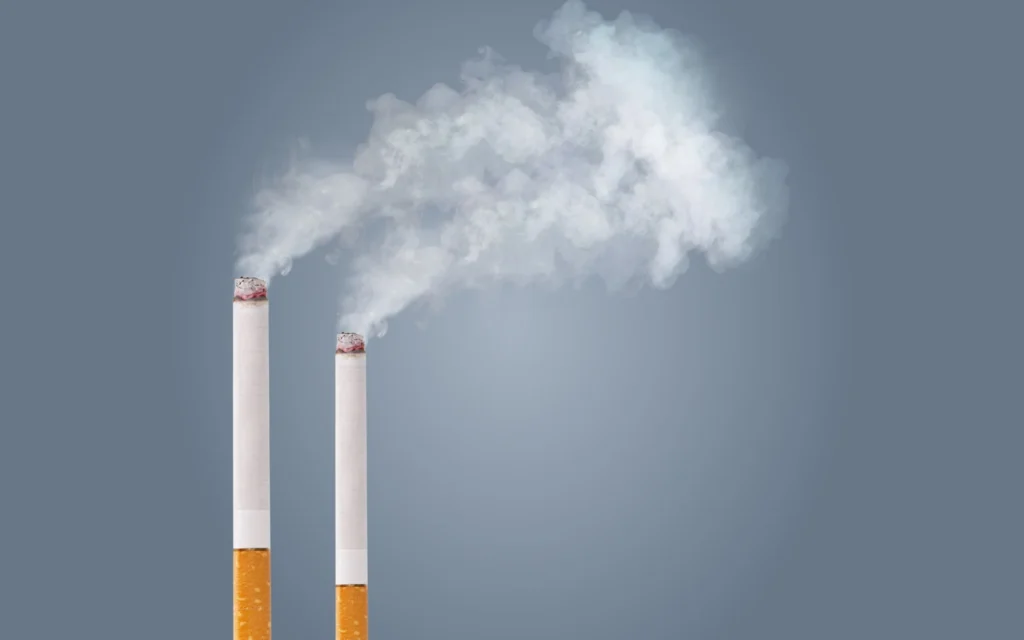
As we go about our daily lives, it’s easy to overlook the impact that our actions have on the environment. But when it comes to something as seemingly harmless as cigarette smoke, the consequences can be devastating. In this article, we’ll explore the hidden dangers of cigarette smoke, from its effects on the environment to its impact on human health.
The Environmental Impact of Cigarette Smoke
Cigarette smoke is more than just a nuisance; it’s a major contributor to environmental pollution. When we light up, we release a cocktail of chemicals into the air, including over 4,000 known toxins. These pollutants can come from multiple sources, including:
- The tobacco itself: Cigarettes are made from tobacco leaves that have been treated with pesticides, herbicides, and other chemicals.
- The filter: Although it’s designed to trap tar and nicotine, the filter also contains toxic substances like cadmium and lead.
- The ash: When we dispose of cigarette butts, they often end up in waterways or landfills, where they can leach into the environment.
One study found that metal pollutants in cigarette butt litter could be considered primary contaminants of drinking water. This means that even if we don’t directly ingest these pollutants, they can still accumulate in our bodies over time.
The Health Risks of Cigarette Smoke
Cigarette smoke is no joke when it comes to human health. The World Health Organization (WHO) classifies tobacco as the leading cause of preventable deaths worldwide, responsible for approximately 7 million fatalities annually.
Some of the most significant health risks associated with cigarette smoke include:
- Lung cancer: Cigarettes contain over 70 known carcinogens, including benzene and formaldehyde.
- Heart disease: Smoking damages blood vessels and increases the risk of heart attacks and strokes.
- Respiratory problems: Cigarette smoke can cause chronic obstructive pulmonary disease (COPD) and asthma.
The Indoor Pollution Threat
While we may think of cigarette smoke as an outdoor pollution, it’s also a significant indoor threat. When we smoke indoors, we release pollutants that can accumulate in our homes, schools, and workplaces, posing risks to those around us.
In fact, the American Lung Association estimates that indoor air pollution from smoking is responsible for over 50,000 premature deaths each year in the United States alone.
The Alarming Truth About Cigarette Filters
While filters may seem like a harmless addition to cigarette packs, they’re actually a major contributor to environmental pollution. Many filters contain toxic substances like cadmium and lead, which can leach into waterways when we dispose of them.
In fact, one study found that metal pollutants in cigarette butt litter could be considered primary contaminants of drinking water. This means that even if we don’t directly ingest these pollutants, they can still accumulate in our bodies over time.
The Economic Impact of Cigarette Smoke
Cigarette smoke also has a significant economic impact on society. The annual cost of smoking-related illnesses in the United States alone is estimated to be over $300 billion.
This includes costs related to:
- Medical expenses: Smoking-related illnesses result in billions of dollars in medical expenses each year.
- Lost productivity: Smoking can lead to lost workdays, reduced productivity, and decreased economic output.
- Clean-up costs: The cleanup of cigarette butt litter and other smoking-related pollutants is a costly endeavor.
Breaking the Cycle
So what can we do to break the cycle of cigarette smoke pollution? Here are some simple steps:
- Quit smoking: The most effective way to reduce your impact on the environment is to quit smoking altogether.
- Use nicotine replacement therapy (NRT): NRT can help you manage withdrawal symptoms and cravings while reducing your exposure to toxins.
- Support smoke-free policies: Encourage your local government to implement smoke-free policies in public spaces, such as parks and restaurants.
Conclusion
Cigarette smoke is a hidden danger that affects not only our health but also the environment. By understanding the risks associated with cigarette smoke, we can take steps to reduce its impact on our lives and the planet. Whether you’re a smoker or not, it’s essential to be aware of the dangers of cigarette smoke and to promote a smoke-free lifestyle.
Additional Resources
- National Cancer Institute: Smoking & Tobacco Use
- American Lung Association: Indoor Air Pollution from Secondhand Smoke
- Environmental Protection Agency: Cigarette Butt Litter


