
The Importance of Pollinators: Understanding the Role of Insect Pronubi
As we go about our daily lives, it’s easy to overlook the tiny creatures that play a crucial role in keeping our ecosystem thriving. But without insect pronubi (also known as pollinators), many of the plants and flowers we love would be unable to reproduce, leading to devastating consequences for our environment and food supply.
In this article, we’ll delve into the world of insect pronubi, exploring what they are, why they’re so important, and how we can help protect them. We’ll also discuss the impact of inquinamento (pollution) on these vital creatures and provide practical tips on how to support their survival.
What is Pollination?
Pollination is the process by which plants transfer pollen from one flower to another, allowing them to reproduce and set seed. It’s a complex and fascinating process that involves the interaction of multiple species, including insect pronubi, animals, and even wind.
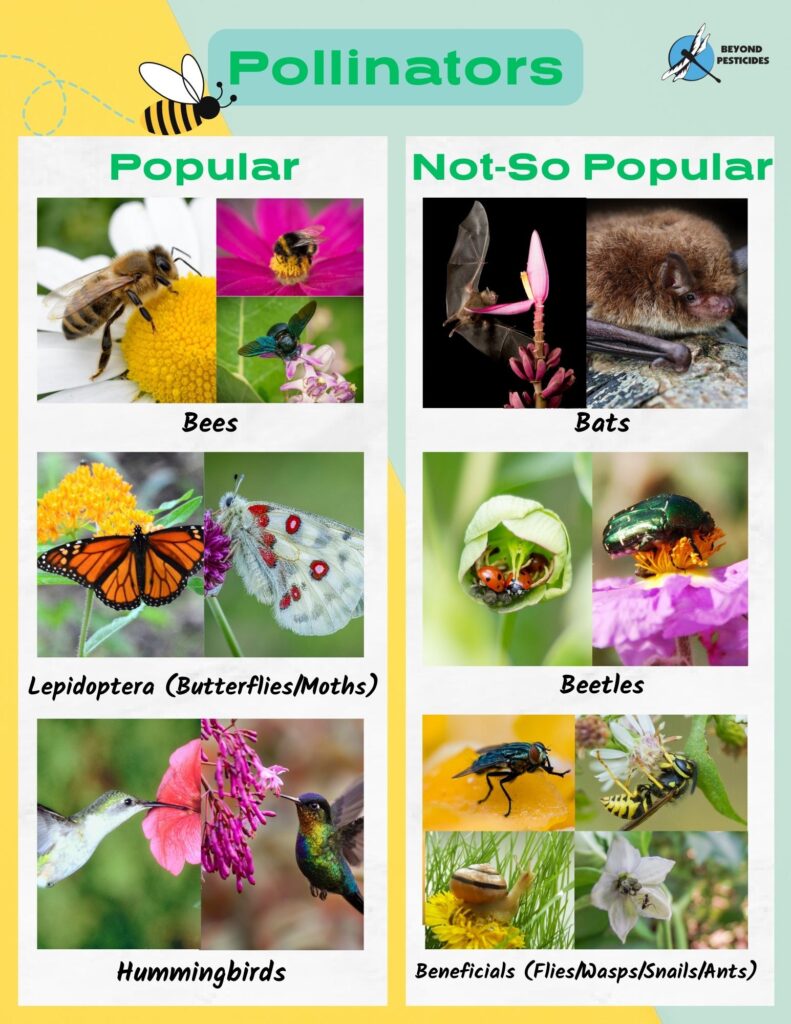
While insects are often credited with pollinating plants, they’re not the only players in this game. Other animals like bees, butterflies, bats, and even hummingbirds also contribute to pollination.
What Are Insect Pronubi?
Insect pronubi are a diverse group of creatures that include:
- Apoidea: bees, wasps, and ants
- Lepidoptera: butterflies and moths
- Diptera: flies like hoverflies and flower flies
- Coleoptera: beetles
- Ortotoptera: grasshoppers and crickets
These insects have evolved to play a crucial role in pollination, often forming symbiotic relationships with plants that provide them with food and shelter.
Characteristics of Insect Pronubi
So what makes insect pronubi so special? Here are some key characteristics:
- Co-evolution: insect pronubi have co-evolved with plants over millions of years, resulting in specialized features like hairy bodies and specialized digestive systems.
- Specialized diets: many insects feed on nectar or pollen, which provides them with the energy they need to fly and pollinate plants.
- Apparatus for collection and transport: some insects have evolved complex structures like corbiculae (honeycomb-like structures) to collect and transport pollen.
Why Are Insect Pronubi Important?
Insect pronubi are crucial for maintaining healthy ecosystems. Without them, many plants would be unable to reproduce, leading to devastating consequences for our environment and food supply.
- Food shortages: pollination is essential for many crops, including coffee, cocoa, and almonds.
- Loss of biodiversity: the decline of insect pronubi could lead to a loss of plant diversity, as plants that rely on these insects for pollination become extinct.
- Ecosystem resilience: insect pronubi help maintain ecosystem balance by transferring pollen between plants, which supports the growth of new plants and maintains soil health.
Threats Facing Insect Pronubi
Unfortunately, insect pronubi are facing numerous threats, including:
- Inquinamento (pollution): pesticides, herbicides, and other pollutants can harm or kill insect pronubi.
- Habitat destruction: the destruction of natural habitats like meadows and forests can reduce the availability of food and shelter for insect pronubi.
- Climate change: changes in temperature and precipitation patterns can disrupt the delicate balance of ecosystems and impact the survival of insect pronubi.
How Can We Help Protect Insect Pronubi?
So what can we do to help protect these vital creatures? Here are some practical tips:
- Choose locally grown produce: buying locally grown produce supports farmers who use sustainable practices that minimize harm to insect pronubi.
- Avoid pesticides and herbicides: these chemicals can harm or kill insect pronubi, so it’s essential to adopt integrated pest management (IPM) techniques instead.
- Plant pollinator-friendly gardens: creating a pollinator-friendly garden in your backyard can provide a haven for insect pronubi and other beneficial insects.
- Support sustainable agriculture: buying from farmers who use sustainable practices and support conservation efforts can help reduce the impact of human activities on insect pronubi.
Conclusion
Insect pronubi play a vital role in maintaining healthy ecosystems. By understanding their importance, we can take steps to protect these tiny creatures and the plants they pollinate. Remember, every small action counts, and together we can make a difference for the future of our planet.
FAQs
Q1: What is the main purpose of insect pronubi in ecosystems?
A1: Insect pronubi play a crucial role in pollination, allowing plants to reproduce and set seed. This process is essential for maintaining healthy ecosystems and supporting food production.
Q2: Which insects are considered primary pollinators?
A2: Bees (Apiidea), butterflies (Lepidoptera), flies (Diptera), beetles (Coleoptera), and grasshoppers (Ortotoptera) are some of the primary pollinators in ecosystems.
Q3: What is co-evolution, and how does it relate to insect pronubi?
A3: Co-evolution refers to the process by which organisms evolve together over time. Insect pronubi have co-evolved with plants over millions of years, resulting in specialized features like hairy bodies and specialized digestive systems.
Q4: How can pollution harm insect pronubi?
A4: Pollution can harm or kill insect pronubi through direct exposure to toxic chemicals or indirect effects on their habitats and food sources.
Q5: What are some practical ways to support insect pronubi in gardens?
A5: Plant pollinator-friendly flowers, avoid using pesticides and herbicides, and create a diverse range of habitats that provide shelter and food for insect pronubi.
Q6: How can we reduce our reliance on insect pronubi for food production?
A6: We can support sustainable agriculture practices, buy locally grown produce, and consider reducing our consumption of resource-intensive foods.
Q7: What are some common threats facing insect pronubi populations globally?
A7: Habitat destruction, climate change, pollution, and overexploitation are all major threats to insect pronubi populations worldwide.
Q8: How can we promote conservation efforts for insect pronubi?
A8: By supporting research initiatives, advocating for sustainable practices, and engaging with local communities, we can help promote the conservation of insect pronubi and their habitats.


