
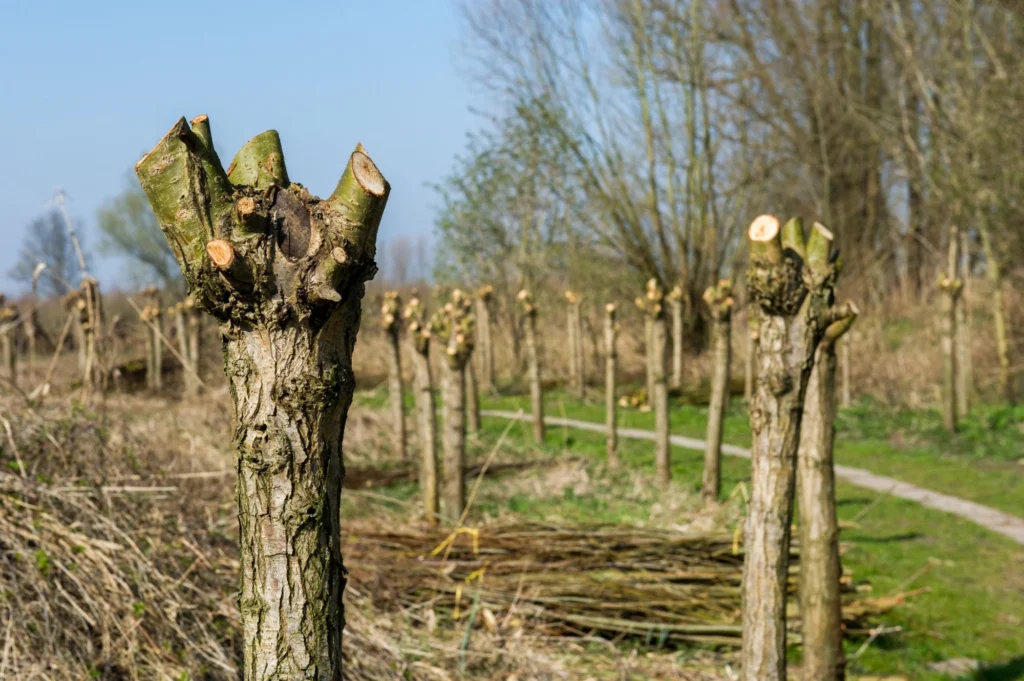
In recent days, Legambiente Piemonte and Valle d’Aosta has spoken out against the practice of capitozzatura, a pruning technique that is still widely used in Italy. “This year,” says the environmental association, “we are seeing ugly and destructive practices on our territory.” As we delve into the world of pruning, it’s essential to understand the risks associated with this technique and explore alternative methods.
What is Capitozzatura?
Capitozzatura refers to a pruning method that involves cutting away a significant portion of an tree’s branches, trunk, or foliage. This technique is often used in urban landscapes and public parks, despite being detrimental to trees. According to botanical literature, this practice has been widely criticized over the past three decades.
The primary reason for using capitozzatura is the fear that tall trees may pose a threat to human safety. However, this method of pruning is not effective in reducing tree height or size. In fact, it can make trees more hazardous, as the reduced canopy provides less protection from strong winds and weather conditions.
Dangers of Capitozzatura
The impact of capitozzatura on trees is significant, with far-reaching consequences for their health. This pruning technique poses several risks:
- Decay of Trees
- The removal of a large portion of the tree’s foliage can lead to stress, causing the tree to focus its energy on producing new growth rather than maintaining existing tissues.
- Risk of Burns
- Excessive sun exposure can cause burns to the tree’s bark and underlying tissue.
- Aesthetic Damage
- The removal of a significant portion of the tree’s foliage can result in an unnatural appearance, leading to a loss of the tree’s natural shape and form.
Moreover, trees subjected to capitozzatura are more susceptible to:
- Insect and Pest Attacks
- Pests such as aphids and caterpillars may take advantage of the stress caused by pruning to infest the tree.
- Disease Outbreaks
- Pruning can cause wounds in the tree’s bark, making it more vulnerable to disease-causing organisms.
Alternatives to Capitozzatura
Fortunately, there are alternative pruning techniques that can be used to reduce a tree’s size without causing harm. These methods prioritize the preservation of the tree’s natural shape and structure.
- Pruning for Shape
- This technique involves cutting away branches to improve the tree’s overall shape and form.
- Pruning for Size
- This method involves removing select branches to reduce the tree’s size while maintaining its natural shape.
- Pruning for Health
- This approach involves pruning diseased, damaged, or dead branches to promote healthy growth.
When to Prune: A Guide
To avoid the risks associated with capitozzatura, it’s essential to prune trees at the right time of year. The ideal times for pruning are:
- November
- December
- January
These periods offer a window of opportunity for pruning without causing significant stress to the tree.
Pruning Techniques: A Comprehensive Guide
To minimize risks and maximize benefits, it’s essential to choose an experienced arborist and follow recommended pruning techniques and best practices. Some key considerations include:
- Selecting the Right Tools
- Using high-quality pruning tools is crucial for safe and effective pruning.
- Pruning with a Purpose
- Prune with a specific goal in mind, such as improving shape or size.
- Pruning at the Right Time
- Timing is everything when it comes to pruning. Choose the right time of year to minimize stress on the tree.
Conclusion: Why Capitozzatura is a Risky Business
Capitozzatura may seem like an effective way to control tree size, but it poses significant risks to both trees and humans. By understanding the dangers of this technique and exploring alternative methods, we can preserve our urban forests for generations to come.
Frequently Asked Questions (FAQs)
- What is capitozzatura?
- Capitozzatura refers to a pruning method that involves cutting away a significant portion of a tree’s branches, trunk, or foliage.
- Why is capitozzatura detrimental to trees?
- Capitozzatura can cause stress, leading to reduced growth rates and increased susceptibility to disease and pests.
-
What are the risks associated with capitozzatura?
- Risks include decay of trees, risk of burns, aesthetic damage, and increased vulnerability to insect and pest attacks, as well as disease outbreaks.
-
Are there alternative pruning techniques?
- Yes, there are alternative pruning methods that prioritize the preservation of a tree’s natural shape and structure.
-
When is the best time to prune trees?
- The ideal times for pruning are November, December, and January, as these periods offer a window of opportunity without causing significant stress to the tree.
-
How can I prevent risks associated with capitozzatura?
- To minimize risks, choose an experienced arborist and follow recommended pruning techniques and best practices.
-
What should I do if my tree has been capitzzated?
- If you suspect that your tree has been subjected to capitozzatura, seek advice from a qualified arborist or forester to determine the best course of action for its recovery and long-term health.
-
How can I identify healthy trees?
- Healthy trees typically have:
- A straight trunk
- A balanced canopy
- A strong root system
- Vibrant foliage
- Healthy trees typically have:


