
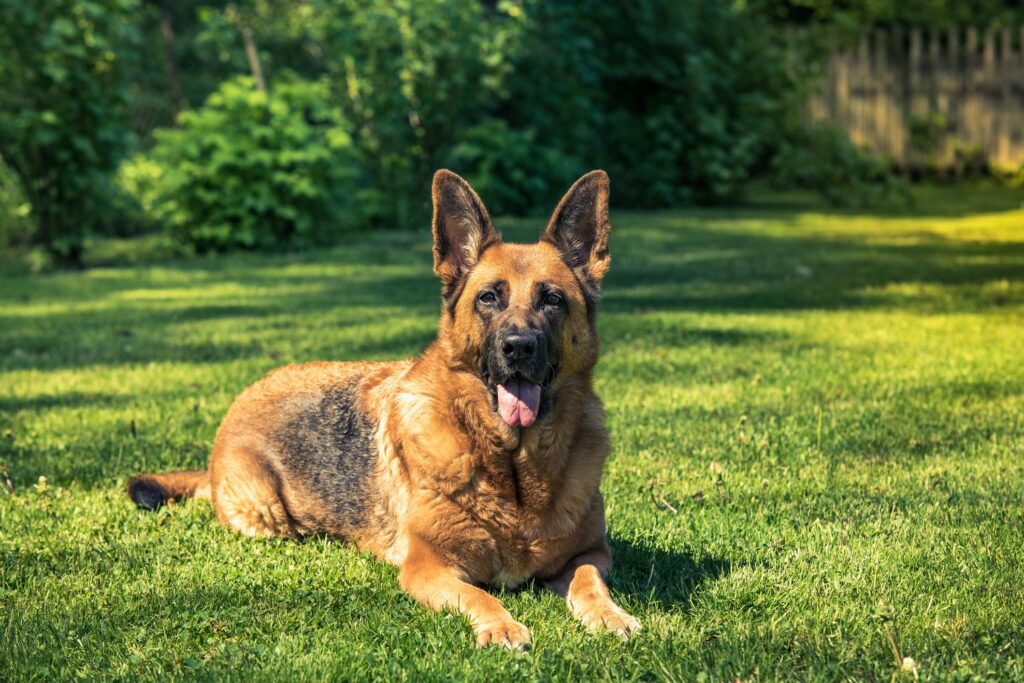
As I often find myself captivated by the intriguing relationship between a police dog and its handler, I am reminded of why adopting a retired police dog is an opportunity worth exploring. Not only are they intelligent, loyal, and obedient, but their unique skills make them ideal companions for those who value dedication and protection.
The Significance and Role of Police Dogs
Police dogs have become an integral part of law enforcement agencies worldwide, utilizing their exceptional sense of smell to aid in investigations and rescue operations. Their versatility has led to various specialized roles within the police force. It is essential to pair the right breed with the specific task at hand, as each dog’s strengths are unique.
There are four primary areas where police dogs are employed:
- Control and Border Patrol: Dogs trained for detecting contraband, explosives, and substances are invaluable in controlling borders and enforcing regulations.
- Search and Rescue Operations: These skilled canines assist in locating missing individuals, survivors of natural disasters, or fugitives.
- Intervention and Protection: Police dogs that provide support during high-risk situations, such as hostage rescue operations or counter-terrorism missions, play a crucial role.
- Forensic Analysis: Trained to track and identify specific scents, these dogs aid in solving crimes and uncovering evidence.
Racing for Excellence: Choosing the Right Breed
Selecting the perfect breed for police work requires careful consideration of their characteristics, temperaments, and abilities. Some popular breeds include:
- Belgian Malinois: Known for their athleticism, intelligence, and loyalty.
- German Shepherd: A versatile and highly trainable breed with excellent communication skills.
- Labrador Retriever: Renowned for their exceptional sense of smell and friendly demeanor.
- Bloodhound: With their impressive tracking abilities and tenacity.
The Power of Partnership: Film and Television Depictions
Movies and TV shows often showcase the remarkable bond between police dogs and their handlers. Classics like “Turner & Hooch” (1989) and “The Commishor Rex” series have captivated audiences worldwide, highlighting the importance of these canine partners.
These depictions highlight not only the incredible skills of police dogs but also the deep trust and understanding that develops between a dog and its handler over time. This partnership is built on mutual respect, communication, and a shared goal of keeping communities safe.
Opening Doors for a New Purpose: Adopting Retired Police Dogs
As police dogs age, they are often retired from active duty. Fortunately, organizations dedicated to helping these dogs find new homes provide an opportunity for responsible adoption. By giving a loving home to a retired police dog, individuals can experience the joys of companionship and dedication.
The United States has taken a step in this direction by providing a pension plan for retired police dogs, ensuring they receive the best possible care.
Benefits of Adopting Retired Police Dogs
Adopting a retired police dog offers numerous benefits to both the dog and its new owner. Some of these advantages include:
- Companionship: Providing a loving home for a retired police dog can be incredibly rewarding, as they offer companionship and loyalty.
- Exercise: Many retired police dogs still require regular exercise to maintain their physical health.
- Training: With proper training, retired police dogs can continue to serve as valuable assets in search and rescue operations or as therapy dogs.
- Emotional Benefits: The bond between a dog and its handler is unmatched. Adopting a retired police dog can provide a sense of purpose and fulfillment.
Preparing for the Commitment
While adopting a retired police dog may seem like an attractive option, it’s essential to consider the level of commitment required. Here are some factors to take into account:
- Time: Retired police dogs still require regular training and exercise.
- Healthcare: Regular veterinary check-ups will be necessary to monitor their health and address any potential issues.
- Living Situation: A secure, fenced living space is essential for ensuring the dog’s safety and well-being.
Conclusion
Police dogs are truly remarkable animals, offering more than just loyalty and protection. Their exceptional skills and abilities make them invaluable assets to law enforcement agencies. By understanding their strengths, choosing the right breed, and adopting retired police dogs, we can unlock a new purpose for these incredible companions.
As we explore the world of police dogs, it’s clear that there is much to learn from these incredible animals. Whether you’re considering adopting a retired police dog or simply appreciate their unique abilities, remember the significance they hold in keeping our communities safe and secure.


