
Introduction
In the tropical regions of Central America, particularly in Mexico, a type of perennial herbaceous plant has been cultivated for centuries. The Polianthes tuberosa is one such plant that boasts unique characteristics and requires specific care to thrive. In this article, we will delve into the characteristics of this plant, its cultivation requirements, potential problems, and interesting facts about it.
Characteristics of Polianthes Tuberosa
The Polianthes tuberosa belongs to the Amaryllidaceae family and has been a part of our continent’s flora since the 16th century. This plant features long, curved leaves with numerous stems that can reach heights of over 1 meter. The leaves are green in color and have an attractive curve towards the outside. Despite its relatively low maintenance requirements, this plant prefers spacious and well-ventilated areas to grow upright.
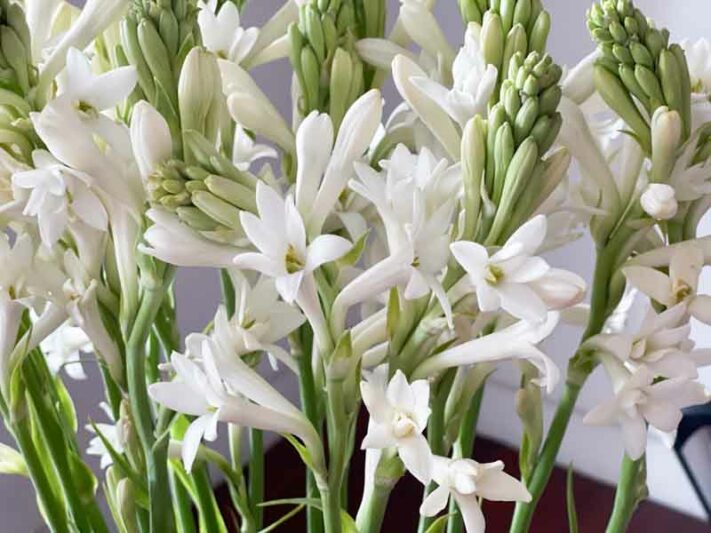
One of the most distinctive features of Polianthes tuberosa is its inflorescence, which can reach heights of up to 1.5 meters. The flower stalks are long and slender, bearing vibrant white flowers with bright yellow centers. These flowers have a sweet fragrance that is both intense and captivating, making them a popular choice for floral arrangements and perfumes.
Choosing the Right Container
It is recommended to use terracotta pots for cultivating Polianthes tuberosa. This type of material allows excess water to evaporate easily, preventing root rot. A container with a diameter of around 30 cm and some depth would be ideal, as it will provide sufficient support for the plant’s growth.
When selecting a pot, consider the size of the container and the amount of soil required to accommodate the plant’s roots. Overcrowding can lead to root rot, so make sure to leave enough space between each bulb. Additionally, choose a pot with good drainage holes to prevent waterlogged soil conditions.
Outdoor vs. Indoor Cultivation
Polianthes tuberosa can thrive in both pots and full ground, but its optimal habitat is outdoors. To prevent damage from harsh weather conditions, such as strong winds and direct sunlight, it is crucial to place the plant in a sheltered area.
If you choose to cultivate Polianthes tuberosa indoors, make sure to provide sufficient light and maintain a stable temperature between 15°C (59°F) and 25°C (77°F). Avoid placing the plant near drafts or air conditioning vents, as this can cause stress and lead to disease.
Temperature and Humidity Requirements
The ideal temperature for Polianthes tuberosa cultivation is around 20°C (68°F). Prolonged exposure to temperatures below 15°C (59°F) can cause problems with the plant’s growth and development. The plant also prefers high humidity, which makes it an excellent choice for indoor cultivation.
To maintain optimal humidity levels, you can place the pot on a tray filled with water and pebbles or use a humidifier near the plant. Avoid placing the plant in areas with low humidity, such as bathrooms or kitchens, as this can lead to disease.
Watering and Fertilization
During the spring season, Polianthes tuberosa requires regular watering, while during the summer months, less water should be used to prevent root rot. It is recommended to use a balanced fertilizer during this time. In addition, removing dead leaves can help prevent the spread of diseases.
When watering, make sure to avoid overwatering, as this can lead to root rot and other problems. Check the soil moisture by sticking your finger into the soil up to the first knuckle. If the soil feels dry, it’s time to water.
Multiplication and Propagation
Polianthes tuberosa multiplication occurs through the formation of new bulbs around the base of the plant. These bulbs are then removed in autumn and replanted in spring.
To encourage bulb formation, make sure to provide adequate light and maintain a stable temperature between 15°C (59°F) and 25°C (77°F). During this time, reduce watering to once a month, allowing the soil to dry slightly between waterings.
Pests and Diseases
This plant is susceptible to pests like aphids (also known as “pidocchi”) and spider mites, which can cause damage to its foliage. To prevent infestations, it’s essential to treat affected areas promptly with systemic pesticides.
Other common diseases that affect Polianthes tuberosa include fungal infections, such as powdery mildew and leaf spot, which can be caused by overwatering or poor air circulation.
Interesting Facts
Polianthes tuberosa has been used for centuries by the pre-Columbian populations of Mexico for its medicinal properties. The plant contains analgesic and sedative compounds, which can help alleviate symptoms such as insomnia and fatigue. Additionally, the plant’s flowers have a unique fragrance that is both sweet and intense.
In addition to its medicinal uses, Polianthes tuberosa has also been used in traditional medicine to treat various ailments, including fever, rheumatism, and skin conditions. The plant’s leaves and roots can be used to make teas, infusions, and poultices, which are believed to have anti-inflammatory properties.
Conclusion
Polianthes tuberosa is a unique and captivating plant with a rich history and cultural significance. By following the guidelines outlined in this article, you will be able to cultivate this beautiful plant successfully and enjoy its stunning flowers for years to come. Whether you choose to grow it indoors or outdoors, remember that this plant requires specific care and attention to thrive.
FAQs
- What is the ideal temperature range for cultivating Polianthes tuberosa?
The ideal temperature range for Polianthes tuberosa cultivation is between 15°C (59°F) and 25°C (77°F). - How often should I water my Polianthes tuberosa during spring?
Regular watering, twice a week, is recommended during the spring season. - Can Polianthes tuberosa be grown in containers or full ground?
Both options are possible, but outdoor cultivation is preferred due to its natural habitat requirements. - What types of pests and diseases affect Polianthes tuberosa?
Aphids, spider mites, fungal infections, and root rot are some common pests and diseases that can harm this plant. - How do I multiply and propagate Polianthes tuberosa?
Multiplication occurs through the formation of new bulbs around the base of the plant, which should be removed in autumn and replanted in spring. - What is the significance of Polianthes tuberosa in pre-Columbian cultures?
Polianthes tuberosa was used by pre-Columbian populations for its medicinal properties, including analgesic and sedative effects. - How do I care for my Polianthes tuberosa during winter months?
During winter months, reduce watering to once a month, providing the plant with a stable temperature between 10°C (50°F) and 15°C (59°F). - Can Polianthes tuberosa be grown in indoor spaces with low light conditions?
While Polianthes tuberosa prefers bright, indirect light, it can still thrive in indoor spaces with minimal natural light, provided the temperature is maintained within the ideal range.
Additional Tips and Considerations
- Use a balanced fertilizer during the spring season to promote healthy growth.
- Avoid overwatering, as this can lead to root rot and other problems.
- Prune dead or damaged leaves regularly to prevent disease and pest infestations.
- Provide adequate light for optimal flowering and growth.
- Repot your Polianthes tuberosa every 2-3 years in the spring, using a well-draining potting mix.
Common Problems and Solutions
- Overwatering: Check soil moisture regularly, and avoid watering if the soil feels waterlogged. Reduce watering frequency to once a month during winter months.
- Pests: Use systemic pesticides to control infestations promptly. Remove infected leaves or stems to prevent the spread of disease.
- Fungal infections: Improve air circulation around the plant, and reduce watering to prevent moisture buildup. Treat fungal infections with fungicides specifically designed for indoor plants.
By following these guidelines and tips, you will be able to successfully cultivate Polianthes tuberosa and enjoy its unique characteristics and benefits.


