
As one of the most iconic Arctic animals, the polar bear (Ursus maritimus) is a fascinating creature that has captured the hearts of many. However, despite its adorable appearance in children’s cartoons and commercials, the polar bear is facing significant threats to its survival. In this article, we will delve into the characteristics, weight, dimensions, hibernation patterns, cubs, and risks of extinction associated with these magnificent animals.
Physical Characteristics
The polar bear is a massive quadruped that can weigh up to 1 ton (2,200 lbs) and reach lengths of 3 meters (10 feet). Despite its enormous size, the polar bear’s body is well-adapted for its Arctic habitat. Its thick layer of white fur and black skin help it blend in with the snow, while its large paws act as snowshoes, allowing it to move efficiently on land.
The polar bear’s distinctive white coat is not actually white, but rather transparent. The fur appears white because of the way the individual hairs reflect light. In reality, the fur is made up of two layers: a thick undercoat and a longer, guard hair layer that reflects sunlight and helps to camouflage them in the snow.
Weight and Dimensions
The polar bear’s weight can vary depending on whether it’s a male or female. Males typically weigh between 350-700 kg (770-1,540 lbs), while females weigh around 200-400 kg (440-880 lbs). The length of the polar bear also varies, with males reaching up to 3 meters (10 feet) in length and females reaching approximately 2 meters (6.6 feet).
The largest recorded polar bear was shot in Alaska in 1966. It weighed an estimated 810 kg (1,780 lbs) and stood at a height of 3.4 meters (11.2 feet) on its hind legs.
Hibernation Patterns
Unlike other bears, polar bears do not truly hibernate. However, they do experience a period of reduced activity during the winter months, known as “walking hibernation.” During this time, their heart rate slows down, and their metabolism decreases to conserve energy.
Polar bears will often slow down their movements and reduce their body temperature to conserve energy during the winter. This is because food is scarce in the Arctic during the winter months, and they need to minimize their energy expenditure to survive.
Cubs and Reproduction
Polar bear cubs are born after a gestation period of approximately 195-265 days. At birth, they weigh around 2 kg (4.4 lbs) and are blind and helpless. The female polar bear cares for her cubs in a den, nursing them and keeping them warm until they develop enough to venture out into the Arctic environment.
Female polar bears will often give birth to only one cub at a time, although twins can occur in rare cases. The mother will care for her cub for around 2-3 years before it becomes independent and begins its own journey in the wild.
Risks of Extinction
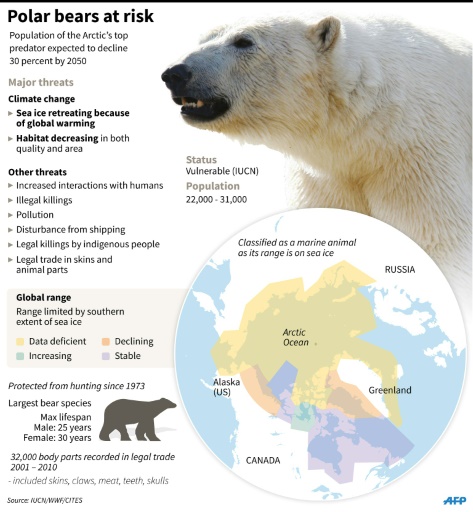
Unfortunately, the polar bear is facing numerous threats that could potentially lead to its extinction. Climate change, hunting, and habitat loss are all significant contributors to this decline. The melting of sea ice due to global warming is having a devastating impact on polar bears, as it reduces their access to food and increases the risk of collisions with humans.
Climate change is also affecting polar bears’ ability to hunt and feed on seals, their primary source of nutrition. As the Arctic warms, sea ice is melting at an alarming rate, reducing the availability of hunting grounds for polar bears.
Hunting and Conservation Efforts
Hunting has historically been a major threat to polar bear populations. In the past, polar bears were hunted for their fur, which was highly valued on the black market. However, in recent years, many countries have implemented regulations and conservation efforts aimed at reducing hunting and protecting polar bear populations.
The International Union for Conservation of Nature (IUCN) has listed the polar bear as “Vulnerable” on its Red List, indicating that the species is likely to become extinct unless conservation efforts are successful. However, some organizations, such as the World Wildlife Fund (WWF), have made significant progress in protecting polar bears and their habitats.
Human-Polar Bear Conflicts
One of the biggest threats to polar bear populations is human-polar bear conflicts. As global warming continues to melt sea ice, more polar bears are venturing onto land in search of food or shelter. Unfortunately, this often leads to encounters with humans, who may view these powerful animals as a threat.
To mitigate human-polar bear conflicts, conservation efforts have focused on developing strategies for coexisting with polar bears. For example, some communities have established “polar bear corridors” – protected areas that allow polar bears to move freely while minimizing the risk of conflict with humans.
Polar Bears in Captivity
While many polar bears are found in the wild, others are kept in captivity for research and conservation purposes. In zoos and wildlife sanctuaries, polar bears are often kept in large enclosures that mimic their natural habitat.
However, keeping polar bears in captivity can be challenging due to their complex social and spatial needs. Polar bears are highly intelligent and active animals that require a lot of space to roam and exercise. Captivity can also lead to stress and boredom, which can negatively impact the animal’s health and well-being.
Conclusion
The polar bear is an incredible creature that plays a vital role in its Arctic ecosystem. However, human activities are putting it at risk of extinction. By understanding more about these magnificent animals and the challenges they face, we can work towards protecting them and their habitats for future generations.
It’s essential to recognize that polar bears are not just an iconic symbol of the Arctic – they are also a keystone species that helps maintain the balance of their ecosystem. Losing polar bears could have far-reaching consequences for the entire ecosystem, highlighting the need for urgent action to protect these magnificent animals.
Frequently Asked Questions (FAQs)
- What is the average lifespan of a polar bear?
Polar bears in the wild typically live between 25-30 years, while those in captivity can live up to 40 years. - How much does a male polar bear weigh?
Males can weigh up to 700 kg (1,540 lbs), making them one of the largest land carnivores on Earth. - What is unique about a polar bear’s fur?
Polar bears have two layers of fur: a thick undercoat and a longer, guard hair layer that reflects sunlight and helps to camouflage them in the snow. - Do polar bears truly hibernate?
No, polar bears do not truly hibernate. Instead, they experience a period of reduced activity during the winter months known as “walking hibernation.” - How many cubs are born per litter?
Female polar bears typically give birth to one or two cubs per litter. - What is the primary threat to polar bear populations?
Climate change and habitat loss due to melting sea ice are major contributors to the decline of polar bear populations. - Can humans coexist with polar bears?
Yes, but it’s essential to take precautions to avoid encounters with these powerful animals.
Additional Resources
For those interested in learning more about polar bears, there are many excellent resources available:
- National Geographic: Polar Bears
- World Wildlife Fund (WWF): Polar Bears
- International Union for Conservation of Nature (IUCN): Polar Bear
- Polar Bear Conservation Association: The Latest on Polar Bear Research


