
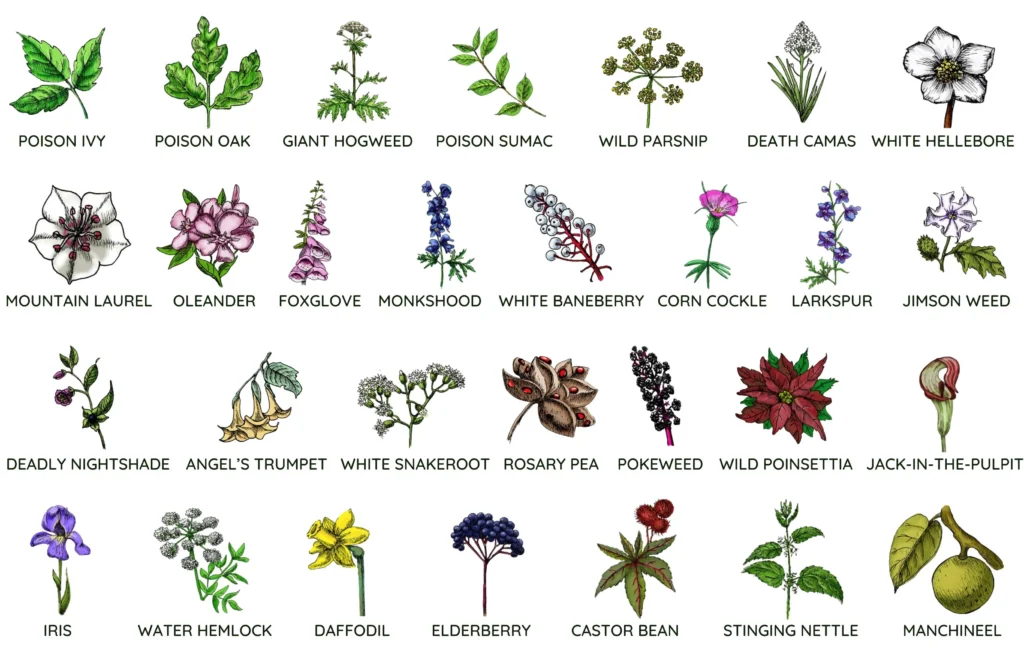
As we go about our daily lives, it’s essential to be aware of the dangers that lurk in the natural world. One of the most significant threats comes from poisonous plants, which can cause a range of symptoms from mild irritation to life-threatening conditions. In this article, we’ll explore some of the most notorious poisonous plants, their characteristics, and the potential risks associated with them.
What Makes Plants Poisonous?
While not all plants are toxic, many contain compounds that can cause harm if ingested or come into contact with human skin. These toxins can be found in various parts of the plant, such as leaves, seeds, roots, or even flowers. The severity of the poisoning depends on several factors, including:
- Quantity: The amount of toxin consumed or exposed to can significantly impact the severity of the symptoms.
- Species: Different plants contain unique toxins that can cause varying levels of toxicity.
- Preparation: Some plants may be more toxic when prepared or processed in certain ways.
Top 15 Poisonous Plants
Here are some of the most poisonous plants, grouped into categories:
Carnivorous and Venomous Plants
- Datura Stramonium (Devil’s Trumpet): This plant contains scopolamine, a powerful hallucinogen that can cause delirium, vomiting, and death.
- Aconitum Lycoctonum (Aconite or Monk’s Hood): A highly toxic plant that can cause numbness, nausea, and seizures if ingested.
- Taxus Baccata (Yew Tree): The berries of this tree contain taxine, a toxic compound that can cause cardiac arrest.
Allergic and Irritant Plants
- Oleander (Nerium Oleander): This ornamental plant contains oleandrin, a toxin that can cause heart problems and death.
- Mughetto (Convallaria Majalis): Also known as Lily of the Valley, this plant contains convallatoxin, which can cause cardiac arrest.
- Hypericum Perforatum (St. John’s Wort): The berries of this plant contain hypericin, a toxin that can cause severe skin irritation and allergic reactions.
Insecticides and Pesticides
- Piretro (Chrysanthemum Cinerariaefolium): This plant contains piretrin, a potent insecticide that can be toxic to humans if ingested.
- Belladonna (Atropa Belladonna): The leaves and berries of this plant contain atropine, which can cause hallucinations, delirium, and death.
Toxic Fungi
- Amanita Muscaria (Fly Agaric): This fungus contains ibotenic acid, a toxin that can cause vomiting, diarrhea, and abdominal pain.
- Cortinarius: A genus of fungi containing various toxins that can cause kidney failure.
Other Toxic Plants
- Ricinus Communis (Castor Oil Plant): The seeds of this plant contain ricin, a highly toxic compound that can cause vomiting, diarrhea, and abdominal pain.
-
Cicuta Maggiore (Wild Parsnip): The roots of this plant contain cicutoxin, which can cause numbness, nausea, and seizures.
-
Boxus Sempervirens (Common Broom): This plant contains various alcaloids that can cause vomiting, diarrhea, and abdominal pain.
- Taxus Baccata: The berries of this tree contain taxine, a toxic compound that can cause cardiac arrest.
- Pulsatilla (Passion Flower): The leaves and seeds of this plant contain various toxins that can cause hallucinations, delirium, and death.
Precautions and Safety Measures
When handling or approaching these plants, it’s crucial to exercise extreme caution:
- Wear protective clothing, including gloves, long sleeves, and pants.
- Avoid touching or ingesting any plant material.
- Wash hands thoroughly after handling plants.
- Keep children and pets away from toxic plants.
Conclusion
Poisonous plants are an often-overlooked threat in our daily lives. By understanding the characteristics of these plants and taking necessary precautions, we can minimize the risks associated with them. If you suspect poisoning or have concerns about a specific plant, consult a medical professional or a trusted field guide.
Frequently Asked Questions (FAQs)
- What is the most toxic plant?
- The ricinus communis (Castor Oil Plant) contains ricin, which is one of the most potent toxins known.
- How do I treat poison ivy poisoning?
- Wash the affected area with soap and water immediately. Apply calamine lotion or hydrocortisone cream to reduce itching and inflammation.
- Can I use poison plants for medicinal purposes?
- While some parts of poisonous plants have been used in traditional medicine, it’s essential to exercise caution and consult a medical professional before using any plant material as a treatment.
-
How do I protect myself from venomous plants?
- Wear protective clothing, including gloves, long sleeves, and pants, when handling or approaching plants with toxic compounds.
-
Can pets be poisoned by poisonous plants?
- Yes, pets can be poisoned by eating plants containing toxic compounds.
-
What should I do if I suspect poisoning from a plant?
- Call emergency services or seek medical attention immediately if you suspect poisoning from a plant.
-
Can poisonous plants cause allergic reactions?
- Yes, some people may experience severe allergic reactions to certain plants.
-
How can I identify poisonous plants in the wild?
- Research the types of plants found in your area and look for characteristics such as bright colors, strong odors, or unusual shapes.
-
Can poisonous plants cause long-term health effects?
- In some cases, exposure to toxic compounds from poisonous plants can lead to long-term health consequences.
- Are there any safe alternatives to poisonous plants?
- Yes, many ornamental and medicinal plants have similar benefits without the risks associated with poisonous plants.
Remember to prioritize caution and safety when interacting with the natural world. If you’re unsure about a specific plant or its potential effects, consult a trusted field guide or seek guidance from a medical professional.


