
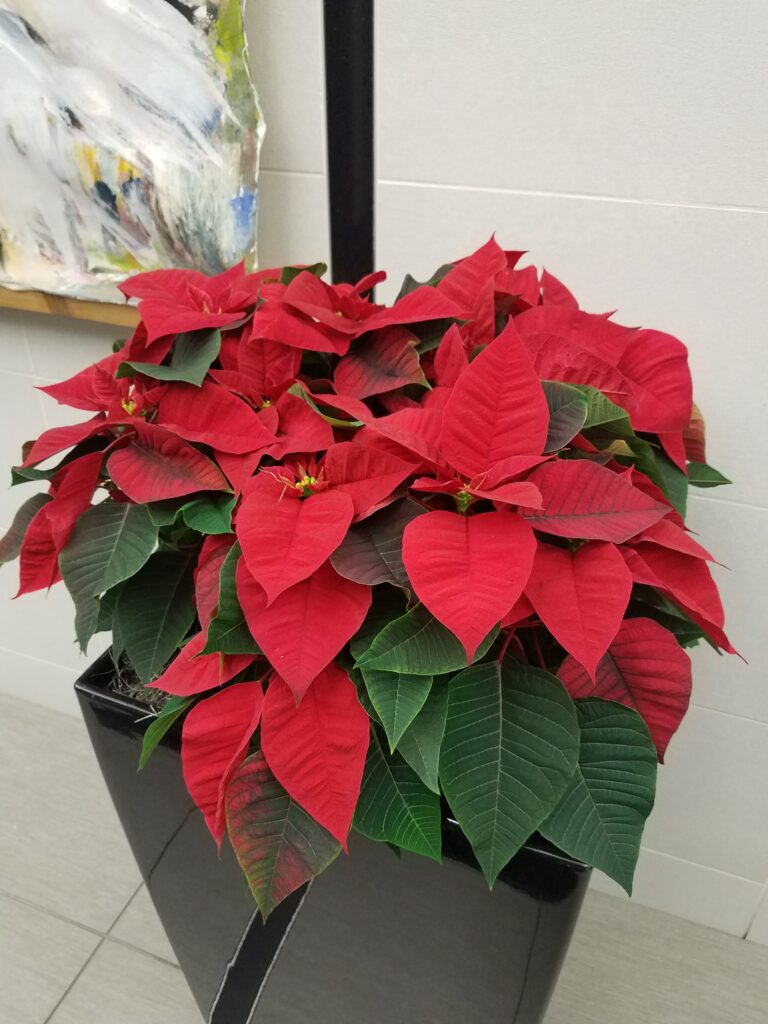
As the festive season approaches, many of us eagerly await the arrival of our beloved Poinsettia plants. But have you ever stopped to think about how to care for these stunning flowers after the holiday season is over? In this article, we’ll delve into the world of Poinsettias, exploring their history, cultivation, and care requirements.
What is Poinsettia, Really?
You may know them as “Christmas stars,” but did you know that Poinsettias are actually a type of shrub known as Euphorbia pulcherrima? Native to Mexico, this plant has been delighting gardeners for centuries. While it’s commonly grown indoors during the holiday season, Poinsettias can thrive in their natural habitat, reaching heights of up to 4 meters.
Why Are Poinsettia Plants Fragile?
Unlike other plants, Poinsettias are delicate and require careful handling. When purchased during the holiday season, these plants are often young and fragile, with thin stems that can be easily damaged. As they grow, however, Poinsettias can become more robust, but it’s essential to provide them with proper care to encourage healthy growth.
Removing the Trimming Paper
Before you begin caring for your Poinsettia, make sure to remove any trimming paper or decorative wrapping that may have been applied to the plant. While this makes the plant look beautiful, it can also block sunlight and hinder air circulation, leading to disease and root rot.
Choosing the Right Location
Poinsettias require bright, indirect light to thrive. Placing them near a sunny window is ideal, but be sure to keep them at least 10-15 inches away from direct sunlight to avoid scorching the leaves. Extreme temperatures can also cause damage, so it’s essential to maintain a consistent temperature between 15°C and 20°C.
Watering Your Poinsettia
Overwatering is one of the most common mistakes gardeners make when caring for Poinsettias. The soil should never be completely dry, but it shouldn’t be waterlogged either. Check the moisture level by sticking your finger into the soil up to the first knuckle. If the soil feels dry, it’s time to water.
Pruning and Fertilizing
To promote healthy growth and encourage blooming, prune your Poinsettia regularly during the growing season. Remove any dead or damaged leaves or stems, and shape the plant to maintain a balanced structure. In the spring, fertilize your Poinsettia with a balanced fertilizer to provide essential nutrients for optimal growth.
Repotting and Transplanting
While Poinsettias can be transplanted into larger containers or directly into the garden, it’s not recommended in most cases. If you do choose to transplant, wait until the plant has reached maturity (around 2-3 years old), and make sure the soil is well-draining.
Caring for Your Poinsettia During Different Seasons
As the seasons change, your Poinsettia will require different care routines:
- Spring: Move your Poinsettia to a shaded area or indoors if possible. Water it once a week, and fertilize with a balanced fertilizer.
- Summer: Keep your Poinsettia in a bright, indirect light spot. Water it once every 7-10 days, and fertilize with a high-phosphorus fertilizer to promote blooming.
- Autumn: Bring your Poinsettia back indoors, and place it in a shaded area or low-light location. Water it once a week, and fertilize with a balanced fertilizer.
Tips for a Healthy Poinsettia
Here are some additional tips to keep your Poinsettia thriving:
- Monitor temperature: Avoid placing your Poinsettia near heating vents, radiators, or drafty windows.
- Keep it away from pets: Poinsettias are toxic to cats and dogs if ingested, so keep them out of reach.
- Prune regularly: Remove dead or damaged leaves and stems to maintain the plant’s appearance and prevent disease.
Common Problems and Solutions
Some common problems you may encounter when caring for your Poinsettia include:
- Leaf drop: This can be caused by overwatering, underwatering, or extreme temperatures. Check the moisture level of the soil, adjust watering schedules, and maintain a consistent temperature.
- Root rot: This can occur due to overwatering or poor drainage. Repot your Poinsettia in fresh, well-draining soil, and reduce watering frequency.
- Pests: Check for pests like mealybugs, spider mites, or aphids by inspecting the leaves and stems regularly.
Propagation Techniques
If you want to share your beloved Poinsettia with friends or start a new plant, consider trying one of these propagation techniques:
- Leaf cuttings: Take healthy leaves from your Poinsettia, remove lower petals, and place them in a pot filled with moistened soil. Keep the soil consistently moist until roots develop.
- Stem cuttings: Cut stem sections from your Poinsettia, remove lower leaves, and plant them in well-draining soil. Water regularly until roots form.
Poinsettia Varieties
Did you know that there are over 100 different varieties of Poinsettias? Some popular types include:
- Red Poinsettia: The classic variety, featuring bright red bracts and glossy green leaves.
- Pink Poinsettia: A softer alternative to the traditional red, with delicate pink petals and white centers.
- White Poinsettia: A stunning option for those seeking a more subtle look, featuring pure white bracts and green leaves.
Poinsettias in the Wild
While we often associate Poinsettias with indoor spaces, these plants can thrive in their natural habitat. In Mexico, where they originated, Poinsettias are commonly grown as ornamental plants, adding vibrant color to landscapes during the winter months.
By following these guidelines and tips, you can help your Poinsettia thrive and enjoy its beautiful blooms throughout the holiday season and beyond!


