
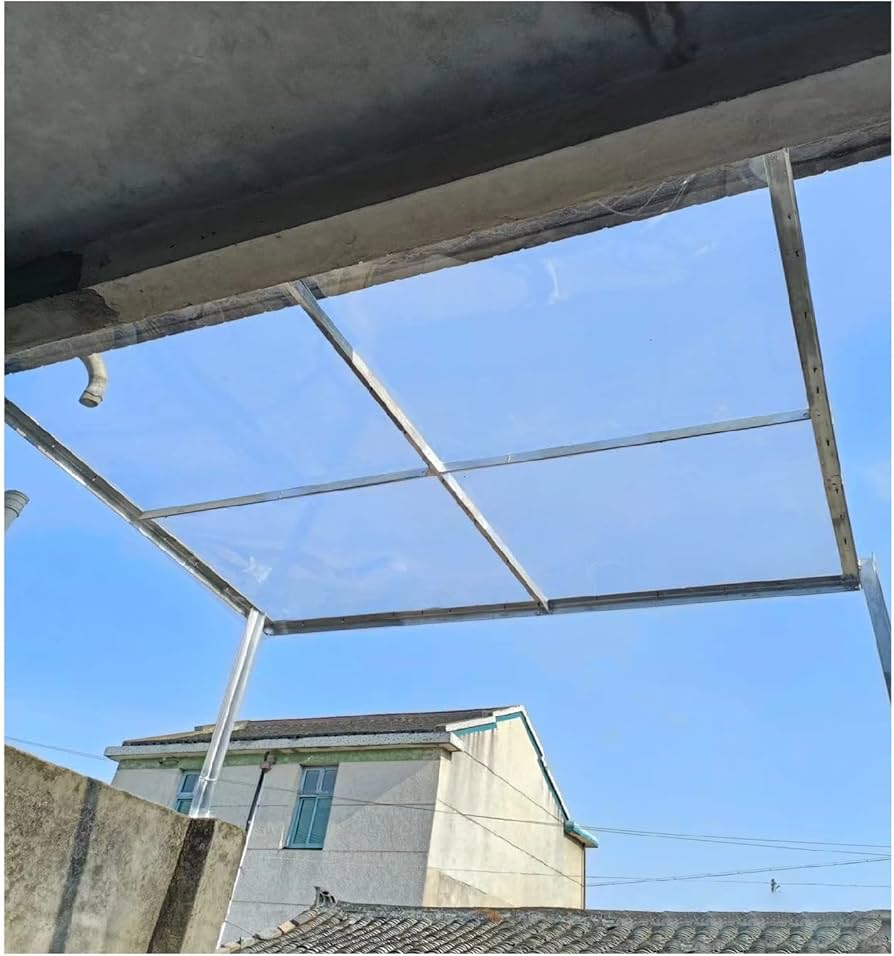
When it comes to building a roof, also known as a pergola, you have two popular options: plexiglass and polycarbonate. Both materials offer unique benefits and drawbacks, making it crucial to choose the right one for your specific needs.
Why Install a Pergola?
Before we dive into the differences between plexiglass and polycarbonate, let’s explore why installing a pergola is essential in the first place. One of the primary reasons is providing shade and protection from harsh weather conditions, such as intense sunlight or heavy rain. Having a pergola can also enhance your outdoor space’s aesthetic appeal.
Plexiglass Roofing
When it comes to plexiglass roofing, this transparent material offers an attractive solution for creating a sunshade or canopy. With a high transparency index of approximately 0.93, plexiglass allows plenty of natural light to pass through while providing excellent weather resistance. This material is also relatively lightweight and easy to handle.
However, there are some limitations to consider:
- Durability: Plexiglass may not be the most durable option, as it can become brittle and prone to cracking when exposed to extreme temperatures or UV radiation.
- Maintenance: Cleaning plexiglass roofing requires careful handling to avoid scratching or damaging the material.
- Cost: Compared to polycarbonate, plexiglass can be more expensive.
Polycarbonate Roofing
On the other hand, polycarbonate roofing offers a robust and long-lasting solution. Its impact resistance is exceptional, making it an ideal choice for areas with high winds or heavy snowfall. Additionally, polycarbonate panels are relatively inexpensive compared to plexiglass.
However, there are some trade-offs:
- Transparency: Polycarbonate has a lower transparency index (around 0.86), which can result in reduced natural light and potentially affect the surrounding environment.
- Weight: Polycarbonate panels tend to be heavier than plexiglass, making them more challenging to handle and install.
Choosing Between Plexiglass and Polycarbonate Roofing
When deciding between plexiglass and polycarbonate roofing, several factors come into play:
- Budget: Consider the initial cost of installation as well as ongoing maintenance expenses.
- Aesthetic appeal: Think about how much natural light you want to allow into your outdoor space.
- Weather conditions: If you live in an area with frequent extreme weather events, polycarbonate might be a better option.
Ultimately, the choice between plexiglass and polycarbonate roofing depends on your specific needs and preferences. Both materials have their advantages and disadvantages, so it’s essential to weigh these factors carefully before making a decision.
Building Your Own Polycarbonate Roof
If you’ve decided on polycarbonate roofing, here are some tips for building your own:
- Measure carefully: Accurate measurements ensure a proper fit and prevent costly errors.
- Choose the right panels: Select high-quality polycarbonate panels that meet your specific needs and budget.
- Consider additional features: Think about incorporating features like ventilation or shading to enhance the overall performance of your roof.
Common Applications for Plexiglass and Polycarbonate Roofing
Both plexiglass and polycarbonate roofing have a wide range of applications across various industries. Here are some common uses:
- Residential roofing: Both materials can be used in residential settings, from small pergolas to large-scale structures.
- Commercial roofing: Plexiglass and polycarbonate roofing are often used in commercial buildings, restaurants, and other public spaces.
- Garden and patio designs: These materials are popular for creating shade structures, greenhouses, and outdoor living areas.
Comparing the Cost of Plexiglass and Polycarbonate Roofing
When it comes to choosing between plexiglass and polycarbonate roofing, cost is an essential factor to consider. Here’s a comparison of their prices:
- Initial installation: Polycarbonate roofing tends to be less expensive than plexiglass, with prices ranging from $15 to $30 per square foot.
- Maintenance costs: Plexiglass requires more frequent cleaning and maintenance compared to polycarbonate, which can impact the overall cost.
Maintenance and Upkeep of Plexiglass and Polycarbonate Roofing
Regular maintenance is crucial for extending the lifespan of plexiglass or polycarbonate roofing. Here are some tips:
- Cleaning: Use mild soap and water solutions to clean plexiglass and polycarbonate surfaces.
- Inspections: Regularly inspect your roof for damage, cracks, or signs of wear and tear.
- Repairs: Address any issues promptly to prevent further deterioration.
Environmental Impact of Plexiglass and Polycarbonate Roofing
When choosing between plexiglass and polycarbonate roofing, consider the environmental impact:
- Material durability: Both materials are durable but can have varying lifespans depending on usage.
- Recyclability: Some manufacturers offer recyclable options for both plexiglass and polycarbonate panels.
Conclusion
Choosing the perfect plexiglass or polycarbonate roofing for your project requires careful consideration of several factors, including budget, aesthetic appeal, and weather conditions. Both materials have their unique benefits and drawbacks, making it essential to weigh these factors before making a decision. By understanding the advantages and disadvantages of each material, you can make an informed choice that meets your specific needs and preferences.
Additional Tips and Considerations
- Consult professionals: If you’re unsure about the best option for your project, consult with experts in the field.
- Research local regulations: Familiarize yourself with local building codes and regulations regarding roofing materials.
- Consider energy efficiency: Think about incorporating features like shading or ventilation to enhance the overall performance of your roof.


