
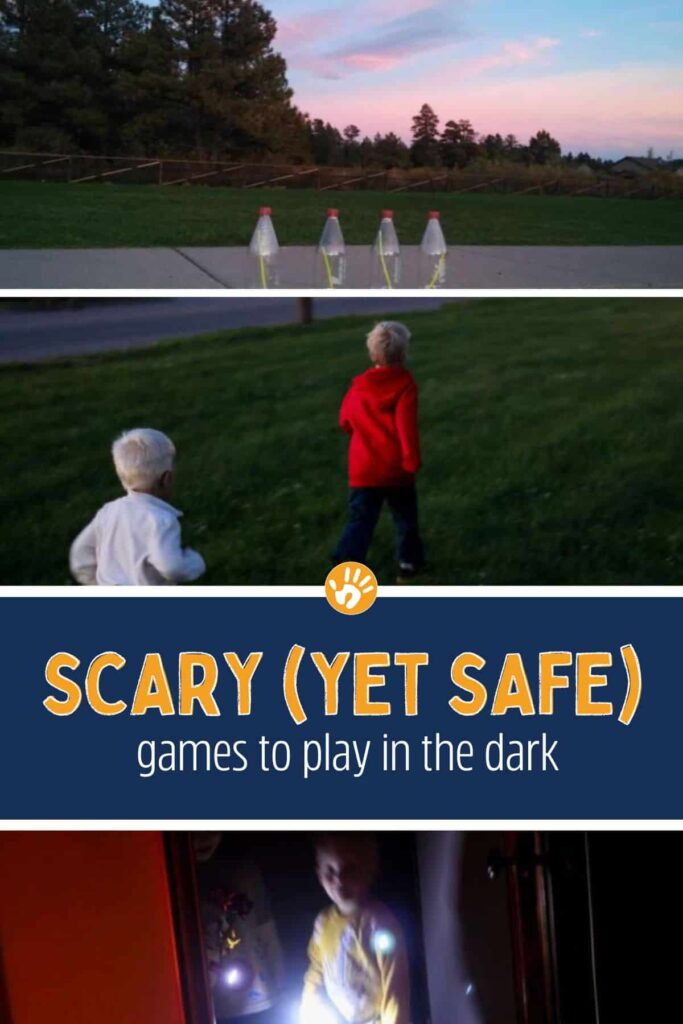
As adults, we may experience a fear of the dark, which can be uncomfortable because even though light pollution in Europe is significant, there are situations where we cannot avoid being without light. Let’s try to desensitize children to this fear by teaching them how to play with darkness. When we engage with something or someone, we take confidence with it, and we’re not afraid of it.
Consider the water. The same applies to the darkness, so here are some ideas and tips for enjoying the darkness and having fun with kids.
Playing in the Dark: Ideas
Not all at once will you feel comfortable without light, but as children, they go through many evolutionary stages, and their minds don’t have time to think about fear. Around two years old, children start developing this fear of darkness, especially at night, before bedtime. That’s when those cute nightlights that project fairy tale images on walls or have strange shapes can be a great help.
Let’s return to the fear of darkness. Simplifying it doesn’t work; we need to face it head-on, not ignore it, and play in the dark with the child. Grab a flashlight, and get ready to discover the fun side of darkness, which might also help adults too.
One idea is to have a “flashlight treasure hunt” where you hide small objects or treats around the house or backyard using flashlights as clues for your child. This activity will not only help them overcome their fear but also encourage exploration and problem-solving skills.
Another idea is to create a “darkness tent” by draping blankets over a small structure or a cardboard box, creating a cozy space where children can play and relax in the dark. You can add some soft music, calming scents, and plush toys to make it even more enjoyable.
Playing in the Dark: Tips
It’s common for us to have power outages sometimes due to high energy consumption or excessive heating, leading to entire neighborhoods going black. Adults can either feel startled or excited by this new adventure. We need to approach this game with a sense of adventure, just like we would during those childhood days.
Let’s set up the house or room in a way that it doesn’t have anything hazardous in it, and then, suddenly, turn off the main switch, living as if there was no electricity. Candles and moonlight. In this darkness-free world, we can hear sounds more clearly, smell better, and experience our perception of space differently. If we do this during the day, we need to close the curtains or blinds. Or it’s fine to play in a late afternoon winter.
A second idea, simple yet effective, is playing hide-and-seek at night. Depending on the child’s age, we can decide whether to play inside the room or all around the house. The object that we hide cannot be too small because we need to remember that we’re in darkness and the search will already be quite difficult.
For older kids, we can organize a non-spooky but engaging storytelling session where they get to add their own parts to create a narrative together. Start by introducing a scenario and character, then ask them who arrives next, where they go, and what they would do if. This activity needs a flashlight because everyone gathers in a circle, shining the light from bottom to top while telling the story.
The final idea is playing with shadows, a traditional yet entertaining one. You need some skill for it, but it’s perfect for distracting kids who will be mesmerized, and older ones want to try it out themselves with their hands. We don’t become instant shadow puppet masters overnight; we need some practice. Here’s a great book to help you get started.
Overcoming the Fear of Darkness
So far, we’ve looked at what to do when playing in the dark and helping children overcome this fear but what about when it’s an adult who fears darkness? It’s certainly more challenging to change one’s mood, but we can work on it.
Faking nothing makes things worse. We need to admit our fear to ourselves and fix it. The fear of darkness can indeed affect our sleep patterns, making us nervous and irritable. Let’s start by introducing relaxation techniques before bedtime that might be those classic meditation exercises or simple activities that make us relax and distract us from the darkness.
Firstly, we need to convince ourselves that we can overcome this fear. If we succeed, it means we’re more adaptable in many situations, and we’ve learned to manage stress and anxiety better. We understand that we can’t always control everything, accept that, and choose to live with serenity anyway.
Another technique is to gradually expose yourself to darkness in small steps. Start by turning off the lights for a few minutes each day and gradually increase the duration. You can also try listening to calming music or nature sounds while sitting in a dark room to get used to the silence.
We can also try visualization techniques, imagining ourselves in a peaceful environment with complete darkness but still feeling safe and relaxed. This can help our brains rewire and create new connections that reduce the fear of darkness.
Benefits of Playing with Shadows
Playing with shadows is an excellent way to develop creative skills and encourage imagination in children. It’s also an excellent activity for building spatial awareness, as it requires understanding the relationship between objects and light sources.
Moreover, playing with shadows can help adults improve their focus and concentration. By focusing on creating shapes and patterns using our hands or other objects, we can train our brains to concentrate on a single task without distractions.
Finally, playing with shadows is an excellent way to create a sense of wonder and curiosity in children (and adults too!). It encourages them to explore the world around them, ask questions, and seek answers. This can lead to a more open-minded and adventurous approach to life.
Tips for Playing with Shadows
Playing with shadows requires some skill and practice, but it’s worth the effort. Here are some tips to get you started:
- Start with simple shapes: Begin by creating basic shapes using your hands or other objects. Try making triangles, circles, or squares.
- Experiment with different materials: Use various materials like cardboard, foam, or fabric to create unique shapes and textures.
- Play with light sources: Move the light source around to create different effects. You can also try using different types of lights, such as LED candles or string lights.
In conclusion, playing with shadows is a fun and engaging activity that can bring joy and excitement to children and adults alike. By facing our fears and embracing the darkness, we can develop new skills, build confidence, and improve our overall well-being. So, next time you find yourself in a dark room, try playing with shadows or organizing a nighttime adventure. Who knows what wonders and discoveries await you?


