
Introduction
In the animal kingdom, there are few mammals that lay eggs instead of giving birth to live young. The ornitorinco, also known as the platypus in English-speaking countries, is one such fascinating creature. Native to Australia, this semi-aquatic mammal spends most of its life in water, with a unique appearance and behavior that sets it apart from other animals.
The ornitorinco has been studied extensively by scientists, who have discovered many interesting facts about this enigmatic animal. From its distinctive appearance to its remarkable swimming abilities, the ornitorinco continues to inspire wonder and curiosity among animal enthusiasts. In this article, we will delve deeper into the unique characteristics and curiosities of the ornitorinco, exploring its habitat, diet, reproduction, and defense mechanisms.
Characteristics of the Ornitorinco
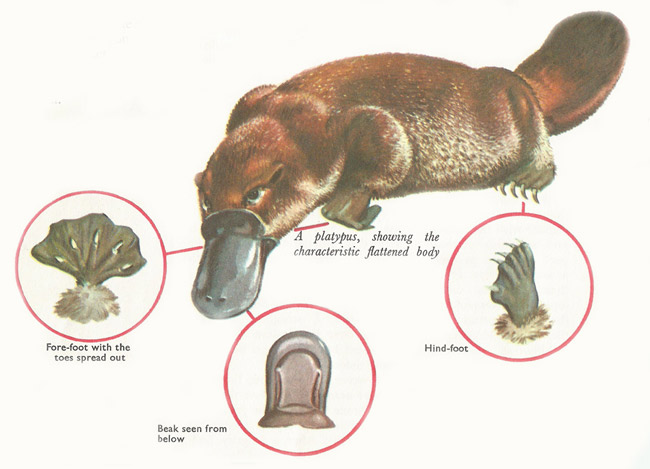
The ornitorinco has a distinctive appearance, with a large beak similar to that of an duck, palmate feet, and a long, flat tail like that of a beaver. Its body is covered in fur, similar to that of a mink. The ornitorinco is an oviparous species, laying eggs instead of giving birth to live young, with a reproductive system similar to that of reptiles and birds.
One of the most striking features of the ornitorinco is its bill, which is soft and leathery, similar to that of an alligator. The bill is highly sensitive to touch and taste, allowing the ornitorinco to detect prey underground. The eyes are also very distinctive, with a reflective layer in the back of each eye called the tapetum lucidum, which helps the animal to see better in low light conditions.
Habitat and Distribution
The ornitorinco’s natural habitat consists of rivers, streams, and torrents. It can be found in eastern Australia, from Tasmania to Queensland, and even in colder climates. Since 1971, the ornitorinco has been the official symbol of the Australian state of New South Wales.
In its native habitat, the ornitorinco can be found in areas with slow-moving water and abundant aquatic life. It is a semi-aquatic animal, spending most of its time in the water but occasionally coming onto land to rest, mate, or give birth. The ornitorinco’s burrowing behavior is also unique, as it creates complex tunnel systems using its powerful front legs and sharp claws.
Swimming Abilities
The ornitorinco is an excellent swimmer due to its four webbed feet and long tail, which it uses as a rudder to change direction. Interestingly, it can swim underwater with its eyes closed, relying on other senses to avoid obstacles. When swimming, its ears are also “plugged” by folds of skin, and its nostrils are sealed to prevent water entry.
The ornitorinco’s swimming speed is impressive, reaching up to 25 kilometers per hour (15.5 miles per hour) in short bursts. It can also dive to depths of up to 2 meters (6.6 feet), using its powerful tail to propel itself downwards. The ornitorinco’s ability to swim underwater with its eyes closed has been observed in several studies, and scientists believe that this behavior helps the animal to avoid predators or detect prey.
Diet and Foraging
The ornitorinco feeds on crustaceans, worms, insects, and aquatic larvae, using its beak to suck them up while swimming. It also stores small rocks in its cheek pouches, which it uses as a tool for catching prey. The ornitorinco needs to eat every day, consuming about 20% of its body weight in nutrients to sustain its energy needs for up to 12 hours of swimming.
In the wild, the ornitorinco can be seen actively foraging for food in areas with abundant aquatic life. It uses its sense of touch and taste to detect prey underground or in the water, and then uses its powerful front legs to dig and manipulate the environment.
Venom and Defense Mechanisms
Male ornitorincos have a venomous spur on their hind legs, which they use to defend themselves against predators. The venom is toxic to small animals, but not fatal to humans. The ornitorinco also has a unique defense mechanism involving its beak, which it uses to deliver a painful sting.
When threatened or cornered, the ornitorinco will often vibrate its tail rapidly, creating a loud noise that can help to deter predators. It will also use its powerful front legs to kick and defend itself, if necessary. In some cases, the ornitorinco has been known to bite or scratch predators in self-defense.
Reproduction and Parenting
The ornitorinco lays eggs in a nest on land, usually near a water source. The female incubates the eggs for about 10 days before they hatch. Newborns are tiny and dependent on their mother for food and protection. They remain in the burrow until they are about 3-4 months old.
Female ornitorincos typically give birth to two eggs at a time, although this can vary depending on factors such as food availability and environmental conditions. The incubation period is relatively long compared to other mammals, which may require less energy-intensive incubation strategies.
Unique Properties of Ornitorinco Milk
Research has discovered that ornitorinco milk contains a protein with potent antibacterial properties, which is named “Shirley Temple” due to its curled shape. Scientists hope to synthesize this protein in the lab to develop new antibiotics effective against antibiotic-resistant bacteria.
Ornitorinco milk also contains other unique compounds, such as enzymes that help to break down plant material and proteins that provide nutrients for young or sick animals. The ornitorinco’s diet consists mainly of aquatic plants and animals, which provides a unique set of nutrients that are not found in many other mammals.
The Voice of the Ornitorinco
The ornitorinco’s vocalization is similar to that of a chicken, but can be more intense in terms of decibels. A short video clip showcases its unique call, which is often described as a high-pitched “kreee-kreee” sound.
When communicating with other ornitorincos, the males use a series of vocalizations and visual displays to attract mates or signal dominance. The females also communicate using these same signals, although they tend to be less vocal than the males.
Perry the Ornitorinco: Agent P
In recent years, a new cartoon character named Perry the Ornitorinco (Agent P) has been introduced, inspired by the real-life creature’s unique features. As part of the Phineas and Ferb series, Perry leads a secret life as an agent working for the O.W.C.A., fighting against the evil plans of Dr. Heinz Doofenshmirtz.
Perry is depicted as a highly skilled spy and detective, using his ornitorinco abilities to gather intelligence and foil villainous plots. The character has become popular among children and adults alike, thanks to its entertaining and action-packed storyline.
Conclusion
The ornitorinco is an extraordinary animal that has captivated scientists and enthusiasts alike with its unique characteristics and behaviors. From its distinctive appearance to its remarkable swimming abilities, this semi-aquatic mammal continues to inspire wonder and curiosity.
Through continued research and study, we can gain a deeper understanding of the ornitorinco’s behavior, ecology, and conservation status. By protecting its habitat and reducing pollution, we can help to ensure the long-term survival of this incredible species.
Frequently Asked Questions (FAQs)
- What is the lifespan of an ornitorinco?
Ornitorincoes can live up to 10-15 years in the wild. - How do ornitorincoes communicate?
They use a unique vocalization similar to that of a chicken, as well as body language and scent markings. - What is the purpose of the ornitorinco’s venomous spur?
It is used for defense against predators and other threats. - Can ornitorincoes be kept in captivity?
Yes, but it requires specialized care and equipment due to its unique needs and behaviors. - Are ornitorincoes endangered?
Their populations are declining due to habitat loss and fragmentation, as well as hunting and pollution. - What is the diet of an adult ornitorinco?
They primarily feed on aquatic animals, such as crustaceans, worms, and insects. - How often do ornitorincoes give birth?
Females typically lay one or two eggs every 10 days during breeding season. - Can ornitorincoes swim underwater for extended periods?
Yes, they can stay submerged for up to 2 minutes, relying on other senses to navigate their surroundings.
By answering these FAQs and learning more about the ornitorinco’s behavior and ecology, we can gain a deeper appreciation for this incredible species and work towards its conservation.


