
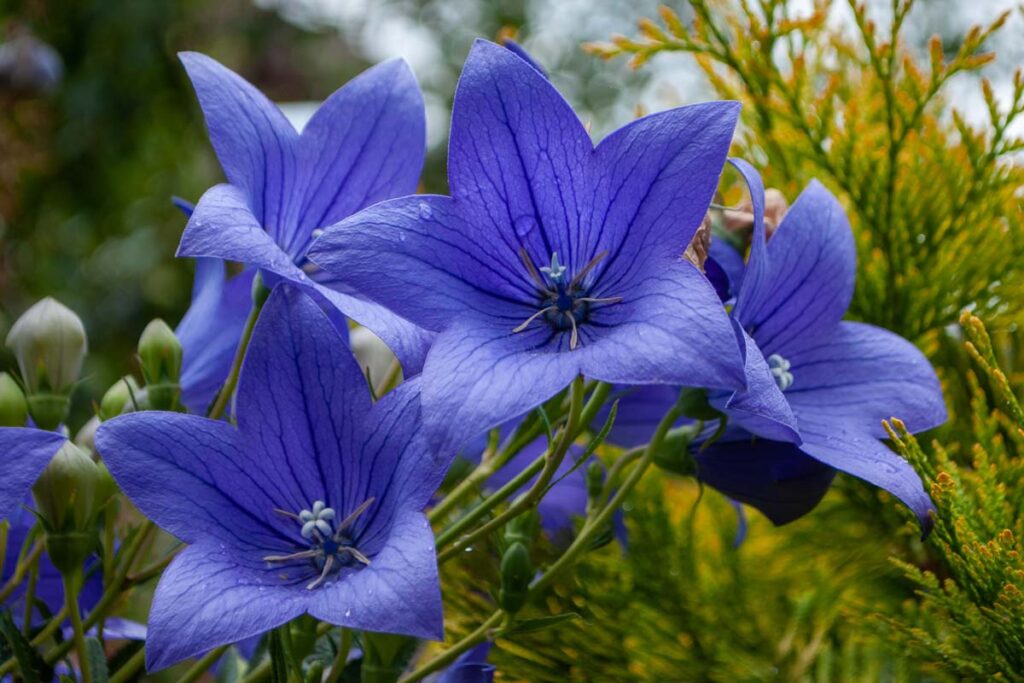
As an Asian native, the Platycodon has become increasingly popular in many parts of the world, including Italy. This herbaceous plant is part of the Campanulaceae family and can be found growing wild at various latitudes, from coastal areas to mountainous regions. In this comprehensive guide, we will delve into the fascinating world of Platycodon, covering its unique characteristics, growth habits, care requirements, and common issues.
What Is Platycodon?
Platycodon is a flowering plant that showcases beautiful blue-purple hues. Its calyx, which is green and adhesive to the ovary, consists of five sepals, which are longer and thinner than the petals. The leaves are alternate or opposite, with varying shapes on the same stem. This unique combination of features sets Platycodon apart from other flowering plants.
When to Grow Platycodon
The flowers bloom in late summer and early autumn, producing a high number of blooms that add visual appeal to the plant. To prolong the blooming season, it’s essential to remove spent flowers regularly. As winter approaches, it’s recommended to trim back the stems near the base to encourage new growth and prevent damage from harsh weather conditions.
Choosing the Right Soil for Platycodon
To ensure optimal growth, fertilize the soil with a liquid fertilizer every 15 days after roots start developing (typically within 6 weeks of planting). This regular process helps maintain soil health throughout the blooming season. When growing in pots, use a general-purpose potting mix. If you want to achieve better results, consider transplanting small seedlings with developed roots into larger containers during spring.
Caring for Platycodon Against Diseases
Platycodon doesn’t require direct sunlight but needs sufficient light to thrive. It’s crucial to maintain a moderate temperature and provide shade from harsh sun rays. During hot summer months, keep the plants in a cooler environment (around 15°C). To ensure optimal humidity, place pots on vases filled with moistened gravel. Daily vaporization during dry periods helps extend blooming.
In addition to providing optimal growing conditions, it’s essential to monitor for common diseases that can affect Platycodon. These include fungal diseases like gray mold and powdery mildew, which can be prevented by ensuring good air circulation and avoiding excessive moisture accumulation around the roots. If you notice any issues, use a fungicide promptly.
Winter Care for Platycodon
During winter, it’s essential to provide the plant with a cool environment (5-10°C) and allow it to rest. This period of dormancy typically begins after the blooming season has ended. Reduce watering during this time, as the plant requires less moisture to survive. Prune back dead stems and trim off any damaged or diseased leaves to maintain the plant’s appearance.
Common Pests and Diseases in Platycodon
To prevent fungal diseases like gray mold, avoid excessive moisture accumulation around the roots. If you notice any issues, use a fungicide promptly. Insect pests like aphids, whiteflies, and spider mites can also affect Platycodon. Use insecticidal soap or neem oil to manage these pests effectively.
Pruning and Training Platycodon
To maintain a healthy and bushy shape, prune back the stems near the base after blooming. This will encourage new growth and promote blooming in subsequent seasons. Use pruning shears or garden knives to carefully cut back the stems, making sure not to damage the roots or disturb the soil.
Propagation of Platycodon
Platycodon can be propagated using division or seed propagation. Divide mature plants by gently digging up the roots and separating the individual plantlets. Alternatively, use seed propagation by sowing seeds in a pot filled with moistened seed starting mix. Keep the soil consistently moist during germination.
Frequently Asked Questions
-
Q: What kind of light does Platycodon need?
A: Platycodon needs sufficient light, but direct sunlight can be detrimental. Provide indirect sunlight or partial shade to maintain optimal growth. -
Q: How often should I water my Platycodon?
A: Water your Platycodon when the soil feels dry to the touch, and avoid overwatering. Reduce watering during winter months to minimize moisture accumulation. -
Q: What’s the best way to propagate a Platycodon plant?
A: You can divide mature plants or use seed propagation for new growth. Divide mature plants by gently digging up the roots and separating individual plantlets. -
Q: How do I protect my Platycodon from frost?
A: Protect your Platycodon from harsh temperatures by providing shelter or covering it with burlap during frosty periods. Bring pots indoors to a cool, bright location or provide winter protection using anti-frost mats. -
Q: Can I grow Platycodon indoors?
A: Yes, but ensure proper lighting and temperature conditions for optimal growth. Provide indirect sunlight and maintain temperatures between 10-20°C during the day. -
Q: How long does it take for a Platycodon plant to mature?
A: It typically takes several years for a Platycodon plant to reach its full potential. With proper care, you can expect blooms within 2-5 years after planting. -
Q: Can I use chemical fertilizers on my Platycodon?
A: Yes, but consider using organic or natural fertilizers to maintain soil health. Chemical fertilizers can damage the plant’s root system and lead to nutrient imbalances. -
Q: Are there any specific pest control methods for Platycodon?
A: Use insecticidal soap or neem oil to manage pests like aphids, whiteflies, and spider mites. Regularly inspect your plants for signs of infestation and treat promptly.
Conclusion
Platycodon’s slow-blooming process is fascinating, with flowers appearing gradually as the plant grows. Its extensive root system develops over time (typically requiring several years), but patience and proper care will allow you to enjoy this remarkable plant for an extended period. By understanding its unique characteristics, growth habits, and care requirements, you can create a thriving environment that showcases the beauty of Platycodon.
Additional Tips and Considerations
- Plant Platycodon in well-draining soil to prevent waterlogged roots.
- Monitor for pests like aphids and spider mites regularly to avoid infestations.
- Provide protection from extreme temperatures by using anti-frost mats or bringing pots indoors during frosty periods.
- Prune back dead stems and trim off any damaged or diseased leaves to maintain the plant’s appearance.
By following these guidelines, you can unlock the full potential of Platycodon and enjoy its beautiful blooms for years to come.


