
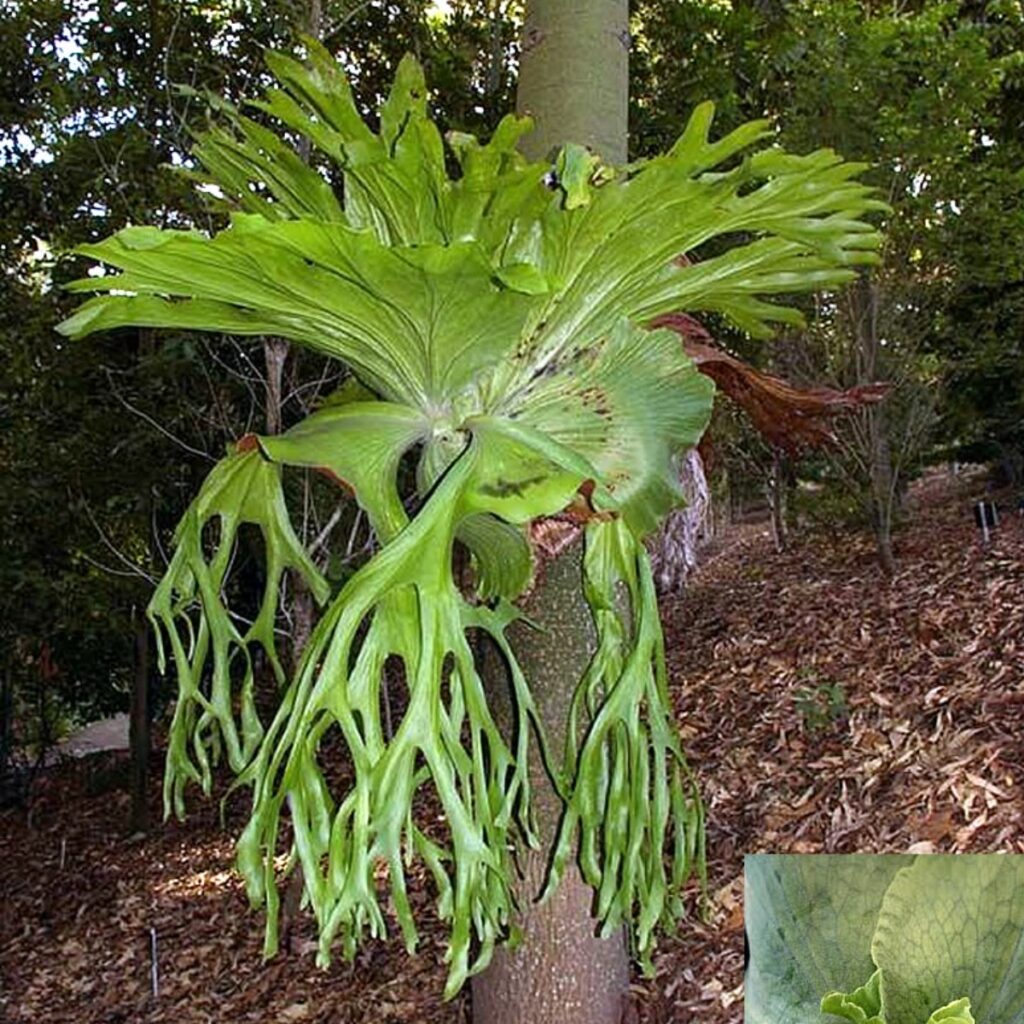
The Fascinating World of Platycerium: A Tropical Fern for Home
As an ornamental plant, platycerium has been a favorite among fern enthusiasts and collectors. Native to tropical regions in Africa, this evergreen perennial belongs to the Polypodiaceae family. In its natural habitat, it thrives as an epiphyte on tree trunks in forests. With 17 different species of epiphytic felts growing spontaneously on trees, branches, or tree trunks, platycerium is a unique and captivating plant.
Understanding Platycerium
In this article, we’ll delve into the characteristics, growth habits, and care requirements for platycerium, as well as discuss potential pests and diseases that may affect it. We’ll also explore some interesting facts about this fascinating plant.
Key Features of Platycerium
Platycerium has two types of fronds: sterile and fertile. The sterile fronds are rounded, flat, and attached in pairs to form a basal covering to retain soil debris, dead leaves, and nutrients. These fronds are also responsible for supporting the more delicate fertile fronds.
The fertile fronds remain green throughout the year and have deeply lobed or bilobed ends resembling deer horns. The plant lacks a substantial root system and relies on its epiphytic nature for support.
Platycerium is a low-maintenance plant, but it still needs proper care to thrive indoors. To successfully grow platycerium indoors, you’ll need to provide optimal growing conditions.
Ideal Exposure
Provide the fern with plenty of indirect sunlight but avoid direct sunlight, which can cause damage. East- or west-facing windows are ideal for platycerium. In areas with limited natural light, consider using grow lights to supplement the plant’s needs.
Suitable Soil
Use a well-draining potting mix containing ingredients such as sphagnum moss, perlite, or vermiculite. Avoid using regular potting soil, as it can retain too much water and cause root rot.
Watering
Water the plant sparingly during winter months and only when the top inch of soil feels dry to the touch. Avoid getting water on the fronds to prevent fungal diseases. Water the fern thoroughly after repotting to ensure it has enough moisture to establish a strong root system.
Potting
Repot your platycerium every 2 years using a slightly larger pot, freshened-up with new sphagnum moss or peat moss. This will provide the plant with more room for growth and help maintain its air circulation around the roots.
Pruning
Occasionally trim off dead or damaged fronds by cutting them from the plant base. Make sure to disinfect and sterilize all pruning tools to prevent fungal diseases from spreading.
Potential Pests and Diseases
Platycerium can be susceptible to various pests and diseases, including:
- Spider mites: These tiny insects feed on the plant’s sap, causing yellowing of the leaves.
- Mealybugs: These white, cottony insects secrete a sticky substance that attracts ants.
- Scale insects: These armored insects feed on the plant’s sap, causing damage to the leaves and stems.
To prevent pests from infesting your platycerium, inspect the plant regularly for signs of infestation. Use neem oil or insecticidal soap to treat any affected areas.
Diseases
Platycerium is susceptible to various diseases, including:
- Root rot: This disease can occur when the soil is too wet and the roots become infected.
- Leaf spot: This disease causes small, circular spots on the leaves, often accompanied by a yellowish color.
- Powdery mildew: This fungal disease causes a white, powdery coating to form on the leaves.
To prevent diseases from affecting your platycerium, ensure proper air circulation around the plant and avoid overwatering. Use fungicides specifically designed for ferns if you suspect a fungal infection.
Interesting Facts About Platycerium
Here are some interesting facts about this fascinating plant:
- Platycerium is one of the largest ferns in the world, with some species reaching up to 10 feet tall.
- The plant’s fronds can live for several years and may need to be replaced if they become too old or damaged.
- Platycerium has been used in traditional medicine for centuries, particularly in African cultures.
Conclusion
Platycerium is a unique and captivating plant that makes an excellent addition to any indoor collection. By following the care guidelines outlined above and keeping an eye out for potential pests and diseases, you can help your platycerium thrive indoors. With its low-maintenance requirements and attractive fronds, this plant is sure to become a favorite among fern enthusiasts and collectors.
Additional Tips
Here are some additional tips for growing platycerium:
- Avoid fertilizing the plant during the winter months, as this can cause new growth that may not have time to harden off before the cold weather sets in.
- Use a humidifier to maintain high humidity levels around the plant, which will help promote healthy frond development.
- Consider grouping multiple platycerium plants together to create a dramatic display of tropical foliage.


