
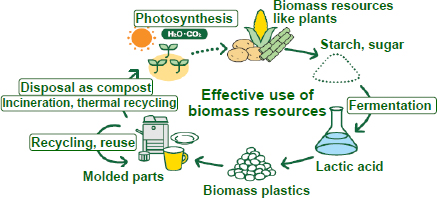
As scientists continue to push for the elimination of conventional plastics, they are now turning their attention to bioplastics made from plant-based materials. But that’s not all – researchers are also exploring biomass-derived plastics and promising breakthroughs in the field.
What is Plastic Made Of?
Plastic is a ubiquitous material used in countless applications, from packaging and bottles to automotive components and portable devices. However, its production comes with significant environmental costs. The majority of plastic is made from petroleum-based materials, which have severe negative impacts on the environment. The process involves using chemicals that have not been thoroughly tested for their effects on human health.
The petrochemical industry produces most plastics, with a few notable exceptions like natural rubber and silk fibers. Most commercial plastics are created through the oil refining process. The extraction of crude oil has significant environmental consequences, including:
- Oil spills: Crude oil is extremely viscous, making it difficult to clean up once spilled.
- Climate change: Burning fossil fuels releases greenhouse gases that contribute to global warming.
- Air pollution: Refining and burning petroleum produces toxic air pollutants that can cause respiratory issues.
The Rise of Bioplastics
Bioplastics, made from renewable biomass sources such as corn starch, sugarcane, or potato starch, have long been touted as a more sustainable alternative to traditional plastics. However, their high cost has limited widespread adoption. Recently, however, a team of engineers has successfully developed an economical method for producing bioplastics by replacing petroleum with biomass.
Bioplastics are made from various sources including:
- Biomass: Plant-based materials such as corn starch, sugarcane, or potato starch.
- Food waste: Agricultural waste and food scraps can be converted into biodegradable plastics.
- Algae: Some companies are using algae to produce bioplastics.
The Breakthrough: Xylene Production
A breakthrough in xylene production, a key component in the manufacture of polyethylene terephthalate (PET), has been achieved using a novel catalyst. This innovation has significant implications for the production of bioplastics and other applications such as textiles and automotive components.
Xylene is used in various industries:
- Textile manufacturing: Xylene is used to produce dyes and pigments.
- Construction materials: Xylene is a key component in cement, concrete mixtures, and asphalt.
The Impact on Consumers
As consumers become increasingly environmentally conscious, it’s essential to consider how these new bioplastics will affect us. Paul J Dauenhauer, assistant professor of chemical engineering at Massachusetts Amherst, notes that it may be challenging for consumers to distinguish between “green” plastics and traditional ones.
To create a more sustainable future, consumers should:
- Research products: Look for products made from bioplastics or sustainable materials.
- Choose eco-friendly brands: Support companies that prioritize sustainability in their production processes.
- Encourage policy change: Advocate for stricter regulations on plastic waste and pollution.
The Research Behind the Breakthrough
Researchers have published their findings on a novel process in the ACS Catalysis journal by the American Chemical Society. The method utilizes an affordable catalyst capable of transforming biomass-derived reagents into xylene with remarkable efficiency. A 75% yield is achieved, making this technology promising for large-scale production.
The breakthrough involves:
- Catalyst design: Developing unique nano-structure properties that enhance xylene production.
- Biomass transformation: Converting biomass-derived materials into chemical precursors for bioplastics.
- Scale-up: Scaling up the process to meet industrial demands and reduce costs.
Glucose as Biomass: Unlocking Sustainable Plastics
The key to producing biodegradable plastics lies in identifying suitable biomass sources. Glucose, a simple sugar molecule found in many plant-based materials, serves as the primary substrate. The catalyst employed in the new process is a zeolite mineral with unique nano-structure properties that enhance xylene production.
Glucose can be sourced from:
- Agricultural waste: Corn stalks, sugarcane bagasse, and potato peels.
- Food industry by-products: Starches from corn, potatoes, or tapioca.
- Algae biomass: Some companies are exploring the use of algae as a sustainable glucose source.
A Broader Research Agenda
The breakthrough is part of a broader research initiative aimed at developing more sustainable energy technologies. The Center for Catalysis at UD is driving innovation in fields like biofuels and bioproducts derived from biomass.
Some of the key areas of focus include:
- Biofuel production: Developing new catalysts to improve the efficiency of biofuel synthesis.
- Biorefining: Using enzymes or microorganisms to break down biomass into valuable chemicals.
- Sustainable materials: Exploring novel biomaterials with improved performance and sustainability.
Conclusion
As we continue to navigate the complex landscape of plastic alternatives, it’s clear that innovation will play a crucial role in shaping our future. By embracing sustainable biomasses and leveraging cutting-edge technologies, we can unlock a cleaner, greener tomorrow.
In conclusion, the future of plastics is closely tied to the development of sustainable biomass-derived materials. As researchers continue to push for more efficient and cost-effective production methods, bioplastics are poised to play an increasingly important role in mitigating plastic pollution and reducing our environmental footprint.


