
Introduction
As the world grapples with the challenges of waste management and sustainability, plastic recycling has become a crucial aspect of reducing our environmental footprint. In this article, we will delve into the plastic recycling process, explore opportunities for profit, and discuss symbols that indicate recyclable materials.
With over 8 million tons of plastic waste generated annually in the United States alone, finding innovative solutions to manage this massive problem is becoming increasingly important. Plastic recycling offers a viable path forward by reducing the amount of waste sent to landfills, conserving natural resources, and mitigating climate change effects caused by the production and disposal of plastic materials.
The Life Cycle of Plastic in Recycling Plants
Once collected, plastic waste is pressed to facilitate transportation to facilities that specialize in sorting and recycling plastic for reuse as “second-grade material” or non-vergin material. This material is then directed either to sorting centers or compaction facilities where it undergoes further processing.
Step 1: Collection
Plastic waste is collected from various sources, including households, businesses, and public spaces. The collected plastic is then transported to a central facility where it undergoes processing.
Step 2: Laceration of Packaging Materials
To begin the recycling process, packaging materials such as bags and containers are lacerated or torn open to access the plastic waste inside. This step ensures that all types of plastics can be processed through the recycling facilities.
Step 3: Mechanical Separation
The first stage of mechanical separation uses a rotating drum (similar to a centrifuge) to sort plastics based on their size. This is followed by further separation using optical readers, which distinguish between different types of plastics based on their composition and coloration.
Step 4: Manual Sorting
In addition to mechanical separation, some facilities also employ manual sorting techniques where workers use conveyor belts to remove non-recyclable materials such as toys made from plastic. This step requires human intervention and specialized training to ensure that only the correct types of plastics are sorted and processed.
Step 5: Compressing and Storing
The sorted plastics are then compressed into bales that can be easily transported to manufacturers for reuse. The type of plastic used determines the color and composition of the bale, making it easier for facilities to identify and process specific materials.
Step 6: Quality Control
To ensure quality, workers inspect each batch of recycled plastic for any defects or contaminants before it is shipped to manufacturers. This step helps to maintain the integrity of the recycling process and ensures that only high-quality plastics are used in new products.
Opportunities for Profit in Plastic Recycling
While plastic recycling may not generate enormous profits compared to other industries, it offers a viable opportunity for entrepreneurs and businesses looking to enter the sustainability sector. In Italy alone, the plastic recycling industry generates over $700 million annually, with 2,000 workers employed. As the demand for recycled materials continues to rise, there are opportunities for growth in this sector as well.
There are several ways to profit from plastic recycling:
- Starting a recycling facility: Establishing a recycling facility can be an expensive venture, but it also provides a steady source of income through the sale of recyclable materials.
- Participating in plastic collection programs: Many businesses and organizations offer plastic collection programs that generate revenue for participating companies.
- Creating value-added products: Recycling facilities can create new products from recycled plastics, such as lumber or packaging materials, which can be sold at a profit.
- Developing sustainable technologies: Developing innovative recycling technologies can provide significant financial returns through patent sales and licensing agreements.
Symbols of Recyclable Materials
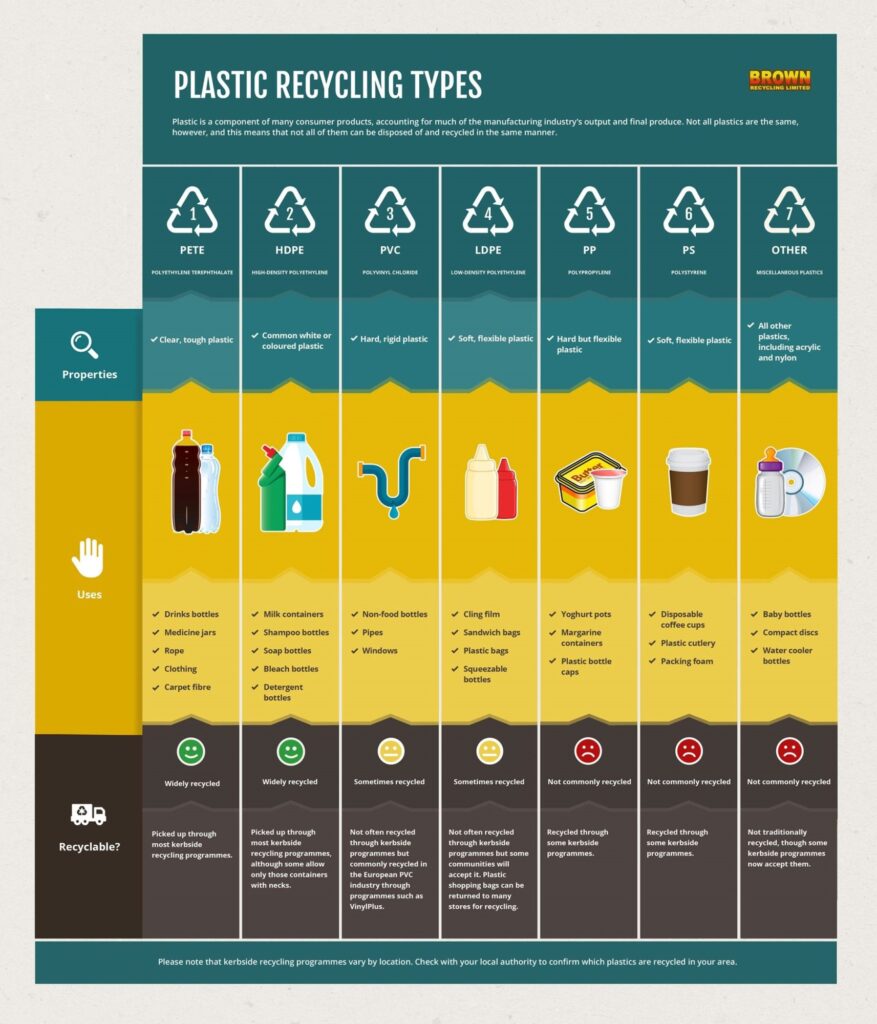
To facilitate easy identification and sorting of recyclable materials, various symbols have been developed. These symbols indicate which plastics can be recycled:
- PET (Polyethylene Terephthalate): Indicated by the number 1 or the PET symbol.
- PE (Polyethylene): Served as HDPE (High-Density Polyethylene), PE-HD, LDPE (Low-Density Polyethylene), or PE-LD. Symbols for HDPE and PE-LD include numbers 2 or 4, while PVC (Polyvinyl Chloride) is represented by number 3.
- PP (Polypropylene): Indicated by the symbol of number 5.
- PS (Polystyrene): Represented by the symbol of number 6.
- Other Plastics: Symbolized by O or number 7, which encompasses various types of plastics such as Fiberglass, Nylon, and Acrylic.
Understanding symbols of recyclable materials can help individuals make informed choices about their waste management practices. By recognizing these symbols, consumers can choose to purchase products with recyclable packaging, participate in local recycling programs, and contribute to a more sustainable future.
Conclusion
The plastic recycling process involves several stages from collection to quality control. While the industry faces challenges, there are opportunities for profit and growth in sustainability. Understanding symbols of recyclable materials can help individuals make informed choices about their waste management practices. As we move forward in addressing our environmental concerns, it is crucial to embrace sustainable practices that promote a circular economy.
Frequently Asked Questions
- What materials can be recycled?
- PET (#1), PE (HDPE and LDPE), PVC (#3), PP (#5), PS (#6), and O/#7 for other types of plastics.
- Why is plastic recycling important?
- To conserve natural resources, decrease landfill waste, and mitigate climate change effects caused by the production and disposal of plastic materials.
- How can I contribute to the plastic recycling process?
- By participating in local collection programs, sorting recyclables at home, and supporting businesses that prioritize sustainability.
- What are the benefits of recycling plastics?
- Conserves energy, reduces greenhouse gas emissions, saves landfill space, and promotes the creation of new products from recycled materials.
- Can plastic be 100% recycled?
- Not all plastics can be fully recycled due to degradation or contamination but various types have high recyclability rates when handled correctly.
- How does recycling affect the environment?
- It helps decrease pollution, conserve resources, and mitigate climate change effects by reducing production of raw materials and energy required for plastic production.
- Is plastic recycling safe?
- Generally, when done correctly under controlled conditions, but safety precautions must be taken to avoid physical harm from sharp objects or chemicals used in processing facilities.
Please note that specific practices may vary depending on location, regulations, and industry standards. It’s always a good idea to check with local authorities for the most accurate information regarding plastic recycling in your area.


