
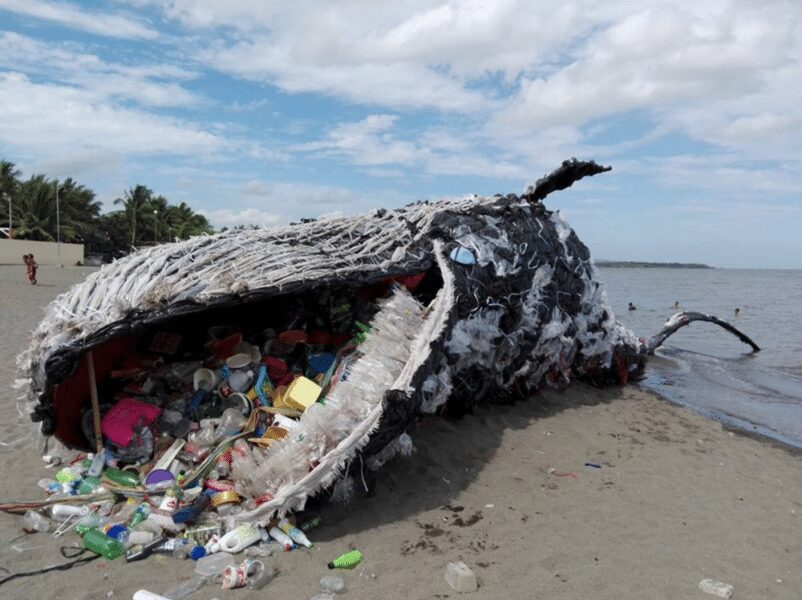
The facts are undeniable, human-induced environmental degradation is a reality that we cannot ignore. We’re not just talking about invisible emissions that can’t be felt, but rather about a tsunami of waste that’s devastating our planet. The effects of plastic pollution on marine life, particularly whales, have reached alarming proportions.
The Plight of the Whale
Recent news stories highlight the tragic fate of whales caught in plastic debris off the coast of the Netherlands. However, this is not an isolated incident; it’s happening all over the world. Whales are becoming entangled in plastic waste, which is causing their death. This majestic creature is being pulled by the current, stranded and lifeless on our beaches.
The Unfortunate Consequences of Human Actions
It’s essential to understand that human activities have led to this devastating reality. The impact of plastic pollution extends beyond the ocean; it also affects marine life in other ways, such as through ingestion of microplastics or entanglement in fishing nets. Whales are not the only victims; other marine animals, like birds and fish, are also getting entangled in plastic debris.
The Human Factor: Inconvenient Truths
Before we point fingers at large corporations or eco-mafia groups, let’s take a closer look at ourselves. How much waste do you produce at home? What accessories do you buy and then throw away? These seemingly insignificant actions contribute to the problem of plastic pollution.
How Whales Are Ingesting Plastic
Whales are eating transparent plastics, such as industrial crops used in greenhouses for European markets. They’re swallowing large amounts of plastic, including a massive piece of fabric found in the belly of a whale off the coast of Spain. This fabric was used to grow tomatoes. Other debris includes nine meters of rope, rubber tubes, two vases, and several metal containers filled with spray products.
The Blockage: A Fatal Consequence
This entanglement is causing blockages in their intestines, leading to death. The whale’s massive size can’t escape the effects of plastic pollution. Other animals are also affected by plastic waste; microplastics have been found in fish and marine mammals.
Human Responsibility: Causes and Effects
The responsibility for this disaster lies with humans. How much waste do we produce at home? What accessories do we buy and then throw away? The impact is not limited to whales; other animals, including birds, are getting entangled in plastic debris because it looks like food.
The Unlikely Culprit: Average People
Consider the case of a gray whale found dead in Seattle after ingesting 20 plastic bags. In its stomach, researchers discovered gloves, towels, adhesive tape, pants, and a golf ball. This incident highlights the reality that we’re all responsible for our actions.
Solutions to Combat Plastic Pollution
While it’s essential to acknowledge human responsibility, there are ways to reduce plastic pollution:
- Reduce single-use plastics.
- Use eco-friendly alternatives.
- Participate in beach cleanups and support marine conservation efforts.
- Support policies that promote recycling programs.
Conclusion: A Call to Action
The reality of plastic pollution is devastating, but it’s also a wake-up call. We need to take responsibility for our actions and start making changes to reduce our impact on the environment and create a safer future for all marine life.
Frequently Asked Questions
- Q: What types of plastic are most commonly ingested by whales?
- Industrial plastics, such as those used in greenhouses, are a major concern.
- Q: Can humans help prevent whale entanglement in plastic debris?
- Yes, individuals can make a difference by reducing their use of single-use plastics, participating in beach cleanups, and supporting organizations that work to protect marine life.
- Q: How can I tell if my plastic product is safe for the ocean?
- Look for products made from biodegradable materials or recyclable plastics.
- Q: Can whales be treated for entanglement in plastic debris?
- In some cases, yes, but it’s often too late to save the animal.
- Q: What role do governments play in reducing plastic pollution?
- Governments can implement policies to reduce plastic waste, such as banning single-use plastics or increasing recycling programs.
- Q: Can individuals make a difference in reducing whale entanglement?
- Yes, by making conscious choices about their daily habits and supporting organizations that work to protect marine life.
- Q: How can I report instances of plastic pollution in the ocean?
- Contact local authorities or organizations that specialize in marine conservation to report any incidents.
- Q: Can whales be protected from plastic pollution through international agreements?
- Yes, international cooperation is essential for addressing global issues like plastic pollution and protecting marine life.
By taking action and making conscious choices, we can help reduce the devastating impact of plastic pollution on our planet and its inhabitants.


