
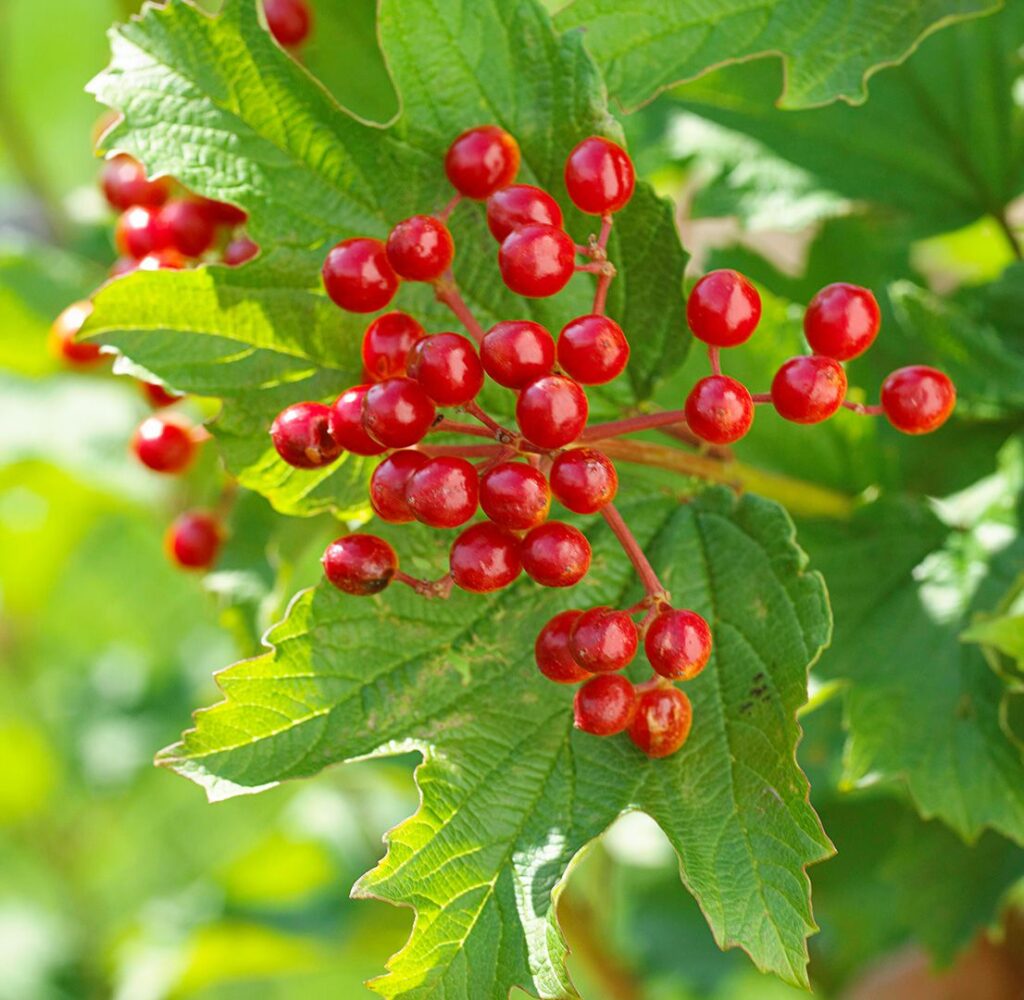
As we wander through the forest or stroll through our gardens, it’s not uncommon to stumble upon shrubs and trees that produce an assortment of colorful berries. From the familiar red, white, purple, and orange hues to the exotic shades of pink, yellow, and even black, these edible fruits add a touch of magic to our surroundings.
In this article, we’ll delve into the enchanting world of plants that produce berries, exploring some of the most decorative shrubs that can revitalize your garden during the winter months when flowers are scarce. We’ll discover the beauty and uniqueness of various species, their growth habits, and what makes them special.
Berries: A Delicious and Nutritious Treat
Berries have long been a staple in many cuisines around the world, not only for their taste but also for their numerous health benefits. These tiny fruits are packed with vitamins, minerals, and antioxidants that can boost our immune system and provide energy.
From sweet treats like strawberries to tart berries like cranberries, each type of berry has its own unique characteristics and uses. Whether you’re a seasoned gardener or an aspiring plant parent, learning about the different types of berries is essential for cultivating your own edible garden.
Red Berries: A Colorful and Nutritious Treat
Among the most common red berries are those produced by various species of shrubs and trees. Let’s explore some of the most striking examples:
Taxus Baccata (Yew Tree)
This coniferous tree produces clusters of red berries, also known as arils, which contain a toxic compound called taxine. While not edible for humans, these berries are an essential food source for birds and other wildlife.
Cornus Kousa (Chinberry or Cornelian Cherry)
The Chinberry tree is native to Asia but has been naturalized in many parts of the world. Its red berries attract birds and small mammals, while its white flowers bloom in early spring.
Cotonaster (Cottonwood)
This deciduous shrub produces yellowish-green leaves that turn golden in autumn. In late summer, it bears clusters of red berries that are an essential food source for various bird species.
Rosa Rugosa and Rosa Canina (Wild Roses)
The “red berries” produced by wild roses are actually cinoids, which are edible but not particularly palatable. These berries contain high amounts of vitamin C and can be used in natural remedies.
Nandina Domestica (Heavenly Bamboo)
This evergreen shrub produces purple leaves that turn red in autumn, making it a popular choice for hedges and borders. Its red berries are an attractive addition to any garden, but they’re not particularly edible.
White Berries: A Delicate and Exotic Treat
While white berries might seem scarce in nature, there are several species that produce these delicate fruits. Let’s explore some of the most striking examples:
Sinforina (Symphoricarpos)
This deciduous shrub produces white berries that turn pink or red as they mature. Its small white flowers bloom in spring and summer.
Lonicera (Honeysuckle)
Some species of honeysuckle produce white berries that are edible but not particularly palatable. These berries contain high amounts of vitamin C and can be used in natural remedies.
Purple Berries: A Regal and Exotic Treat
From deep purple to almost black, these majestic berries are a treat for the eyes and taste buds alike. Let’s explore some of the most striking examples:
Viburnum (Guelder Rose)
This deciduous shrub produces white flowers in spring, followed by clusters of red berries that turn purple as they mature. Its dark green leaves provide year-round interest.
Callicarpa (Beautyberry)
This deciduous shrub produces clusters of blue or purple berries that turn deep purple as they mature. Its bright purple foliage adds a pop of color to any garden.
Other Types of Berries
While the above-mentioned species are some of the most striking examples, there are many other types of berries worth exploring:
Blackberries (Rubus spp.)
Native to Europe and Asia, blackberries have been introduced to many parts of the world. Their dark purple fruits are a favorite among humans and wildlife alike.
Blueberries (Vaccinium spp.)
These small, round fruits are native to North America and are prized for their sweet-tart taste and high antioxidant content.
Cranberries (Vaccinium macrocarpon)
One of the most iconic berries in American culture, cranberries have been used for centuries in traditional medicine and as a food source.
Growing and Harvesting Berries
When growing your own berry plants, it’s essential to understand their specific needs and growth habits. Here are some tips for cultivating delicious berries:
Soil Requirements
Most berry plants prefer well-draining soil with a pH between 6.0 and 7.0.
Sunlight and Temperature
Berries generally require full sun to partial shade, depending on the species. Most plants thrive in temperatures between 60°F and 80°F (15°C and 27°C).
Watering and Fertilization
Berry plants need consistent moisture, especially when they’re producing fruit. Use a balanced fertilizer to promote healthy growth.
Pruning and Training
Prune berry plants regularly to maintain shape and encourage fruiting. Train canes to grow upwards or outwards to maximize space.
Tips for Harvesting Berries
When the berries are ripe, follow these steps:
Inspect the Fruits
Check the berries for ripeness by gently tugging on a leaf. If it comes off easily, the berry is ready.
Harvest at Dawn
Berries are typically sweeter in the morning, so harvest them between 6 am and 8 am.
Handle with Care
When harvesting berries, be gentle to avoid bruising or damaging the plants.
Conclusion
The world of edible fruits is vast and wondrous, offering us a taste of the natural world and its many wonders. By exploring the diverse species of plants that produce these colorful fruits, we can learn about their unique characteristics, growth habits, and uses. Whether you’re a seasoned gardener or an aspiring plant parent, embracing this universe of edible fruits will enrich your life with flavor, beauty, and nutrition.
Frequently Asked Questions (FAQs)
- What makes berries edible?
Berries are edible due to their high concentration of water and low levels of toxic compounds.
- Can I grow these plants in my garden?
Many of the plants mentioned in this article can be grown in your garden, but make sure to research specific care requirements and growing conditions for each species.
- What’s the best way to consume berries?
Berries are best consumed fresh or frozen to preserve their nutritional value. You can also use them in jams, preserves, and baked goods.
- Can I use berries as natural remedies?
Some berries, like wild roses, have been used in traditional medicine for centuries. However, consult with a healthcare professional before using any new remedy.
- How do I identify edible berries?
When foraging for berries, look for fruits that are firm, colorful, and free of signs of spoilage or disease.
- Can I grow berries indoors?
Some berry species, like strawberries, can be grown indoors in containers. However, most require full sun to partial shade and well-draining soil.
- What’s the best way to store berries?
Store fresh berries in a cool, dry place to preserve their flavor and nutritional value. Frozen berries are also an excellent option for year-round consumption.
- Can I use berries in skincare products?
Some berry extracts have antioxidant properties that can be beneficial for skin health. However, consult with a dermatologist before using any new skincare product.


